Lima metro lines 3 and 4 to tender in 2027 under new PPP model
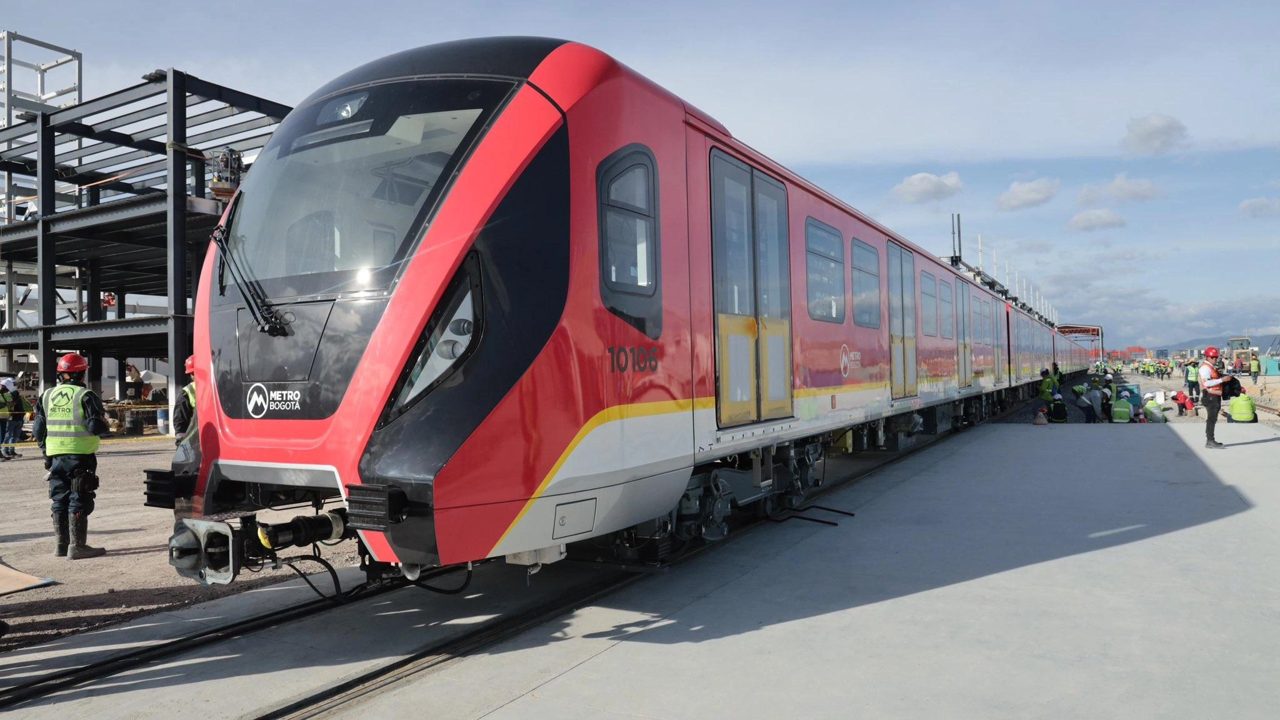
Peru's state investment agency has agreed to structure two major underground metro lines in Lima for a 2027 tender, testing a novel public-private partnership model designed to mitigate the severe execution risks that have plagued the country's infrastructure sector.
ProInversión, Peru’s state investment agency, has signed an agreement with the capital’s transport authority to begin structuring Lines 3 and 4 of the Lima Metro, with a market launch targeted for 2027. The two underground routes are designed to traverse 13 districts across the sprawling metropolitan area and the neighboring port city of Callao.
Line 3 will run roughly 35 kilometres north to south from Comas to San Juan de Miraflores, featuring 28 stations. Line 4 will connect Callao to eastern districts, tying into the wider network at several points. For a city of more than ten million people, the routes promise to slash commutes of up to two and a half hours to under an hour.
The primary draw for international capital is the proposed financing structure. The government is deploying an updated public-private partnership model where a private concessionaire fronts the construction costs and the state remits payments as sections enter service. To reduce reliance on ticket revenue, officials plan to monetize the anticipated rise in land values surrounding the new stations.
Executing this land-value capture mechanism will require legislative action. The financing plan depends on tweaks to two existing Peruvian laws to allow the state to legally capture those property value gains. Securing these legal amendments will be an immediate test of political will before the tender process formally begins.
Foreign investors, however, will closely weigh this opportunity against Peru’s recent history of infrastructure delays. The ongoing construction of Line 2 has dragged on for more than a decade, serving as a prominent cautionary tale for project execution in the region. While officials contend that Lines 3 and 4 carry less technical risk because they have been heavily studied, land acquisition remains a well-documented trap for the state.
Clearing thousands of private plots along a route has historically bogged down Peruvian projects. Furthermore, a looming change in government adds a layer of political uncertainty, as new administrations in the country have a track record of halting or reshuffling major infrastructure contracts. Despite these execution risks, Canadian and other international builders have already signalled their intent to bid. Even on an optimistic timeline, the first stretches of track are not expected to carry passengers until the early 2030s.