IMF Flags Nigeria Institutional Deficit Amid 4.1% Growth Forecast
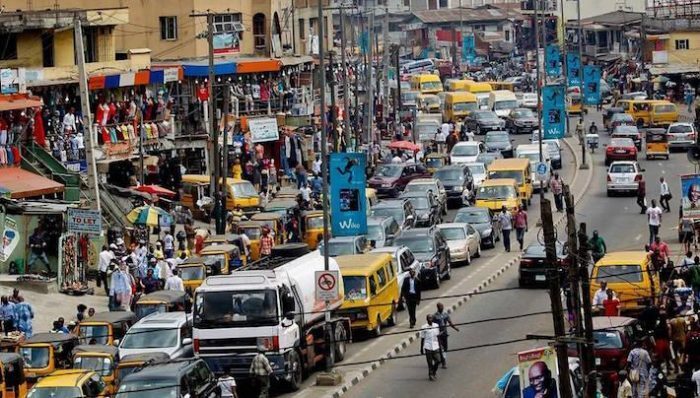
The IMF projects Nigerian economic growth of 4.1% this year, but warns that realizing long-term prosperity will require the country to fix the weak public institutions that silently inflate business costs.
The International Monetary Fund projects Nigeria’s economy will expand by 4.1% this year, according to its 2026 Article IV Consultation. However, the Fund cautioned that sustaining this momentum requires stronger governance and deeper structural reforms. The assessment highlights a persistent bottleneck for foreign and domestic capital: policy ambition routinely outstrips the state's capacity to execute.
For investors and corporate executives, this institutional deficit functions as an invisible, unlegislated tax. Bureaucratic bottlenecks at ports, delayed investment approvals, and inconsistent regulatory enforcement actively tie down working capital. Manual government processes in an increasingly digital global economy also reduce national competitiveness. These friction points rarely appear in official gross domestic product figures, yet they fundamentally shape investment decisions.
“The country does not primarily suffer from a shortage of reforms. It suffers from an institutional deficit, the widening gap between the ambition of public policy and the capacity of public institutions to implement it,” noted development thinker Emmanuel C. Macaulay. This structural gap means that macroeconomic blueprints frequently fail to translate into tangible ground-level outcomes. Successive administrations arrive with new fiscal strategies but leave behind the same frustrations for the private sector.
Historical global examples demonstrate that state capacity must precede economic expansion. Singapore established administrative excellence decades before it became a financial hub. Rwanda and Estonia similarly prioritized bureaucratic modernization long before their economies attracted international acclaim. Nigeria, by contrast, has spent over three decades cycling through economic policies while leaving its underlying bureaucratic machinery largely untouched.
The current economic debate frequently centers on inflation, exchange rates, and public debt. However, the efficiency of land, labor, and capital is entirely dependent on the regulatory environment surrounding them. Resolving this institutional disparity is now the central challenge for Nigeria's market competitiveness.
Stable macroeconomic policies can only create the potential for growth. Only capable, modernized institutions can convert that potential into realized, long-term prosperity. Until the execution apparatus of the state is overhauled, the country's advantages will continue to be eroded by operational delays.