Latam Risk Rises on Pemex Stumble and Peru $30bn Claims

A string of sovereign and institutional failures across Latin America, from a severely underperforming Mexican refinery to a massive arbitration overhang in Peru, is raising the risk premium on the region's infrastructure and energy assets.
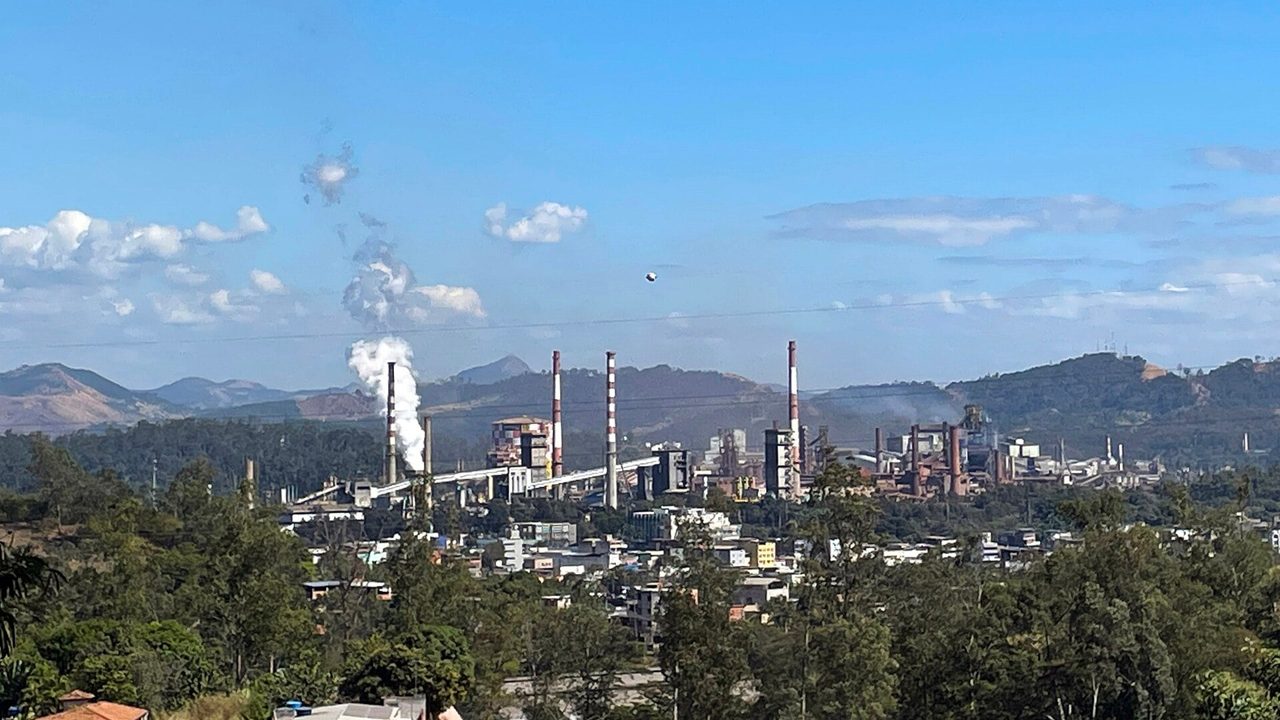
Industrial confidence in Brazil has slumped to its lowest level since the pandemic, compounding a regional risk-off sentiment driven by the visible failure of state-backed megaprojects. In Mexico, the Dos Bocas refinery is operating at just 42% capacity, producing 144,000 barrels per day against a design capacity of 340,000. This operational failure undermines the narrative of energy sovereignty and casts doubt on the viability of peso-denominated bonds tied to energy reform.
The refinery's struggles are mirrored by severe procurement opacity. A notary office linked to 'Grupo Tabasco' validated a company that subsequently secured a 4.8 billion peso vehicle-leasing contract with Pemex. For portfolio managers, this signals that state flagship projects are haemorrhaging value and public procurement remains an opaque, high-stakes game.
Peru presents an even starker macroeconomic threat. The incoming government has inherited $30 billion in arbitration claims, a legal overhang tied to resource contracts from the past two decades. While Congress debates a record supplementary credit budget and the Reliquias silver mine restarts, this massive liability leaves foreign investors pricing in the risk of sudden asset freezes, seizures, or punitive taxes to cover past state obligations.
In Brazil, economic pessimism is deepening alongside judicial unpredictability. Supreme Court Justice Alexandre de Moraes froze family visits to former President Jair Bolsonaro, who remains under house arrest. This unilateral judicial action on a politically charged matter heightens the risk of disruptive regulatory shocks that bypass the legislative calendar, contributing to a Congressional recess that failed to advance the 'PEC 6×1' labour reform.
Operational disruptions are adding friction across the wider region. A brutal winter storm across ten Chilean regions from Coquimbo to Biobío is threatening logistics networks, while a violent mass robbery in San Bernardo is pushing up the security premium on private property. In Colombia, a lame-duck government is attempting to lock in a fracking ban as the country reels from building collapses that killed 188 people and triggered a $200 million emergency fund, creating sudden commercial closures under a newly expanded, legally contested holiday calendar.
Argentina, meanwhile, is demonstrating that austerity can be selectively porous. The government issued Decree 584/2026 to grant Córdoba an advance of up to $400 billion pesos to secure political backing from allied governors ahead of the 2027 presidential race. Across the continent, the common denominator for markets is a deepening skepticism toward large-scale state promises, forcing a reassessment of risk on anything from copper pits to sovereign debt.