Brazil dust halt exposes rising regulatory risk for iron ore miners
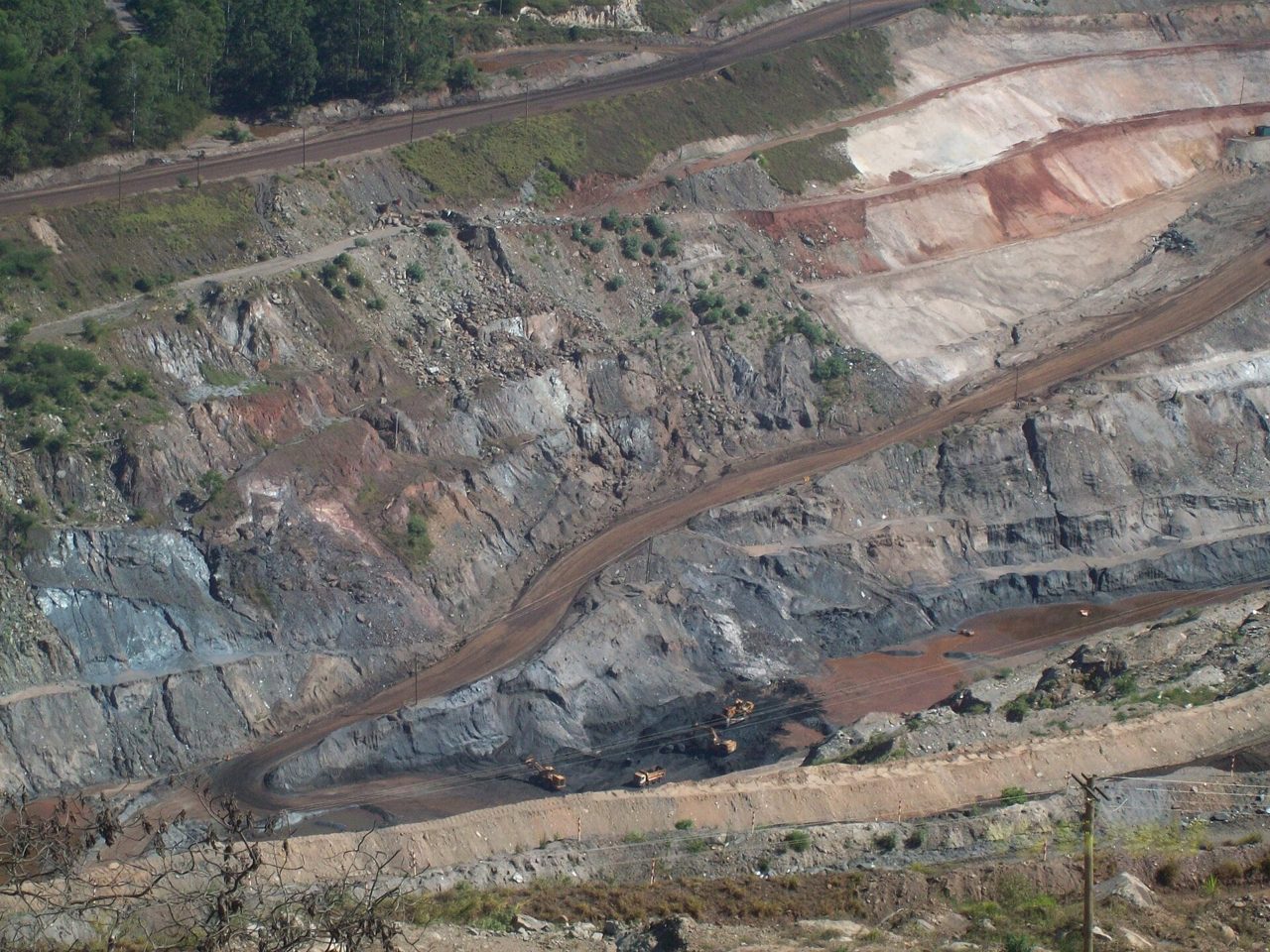
A municipal order halting iron ore operations in Congonhas underscores the mounting social and regulatory costs facing miners in Brazil's Minas Gerais state.
The Congonhas city government forced four iron ore operations to suspend activities on Sunday after strong winds and a prolonged dry spell swept mining dust across streets and homes. Inspectors confirmed the companies complied with the immediate halt, though the stoppage lasted only a few hours before operations resumed on Sunday evening once winds subsided and roads were dampened.
The actual operational impact varied significantly among the firms named by the city. Vale’s Viga and Fábrica units were already idled following a January overflow incident, and Gerdau flatly denied operating any mine in the area. CSN paused its Casa de Pedra complex preventively before normalizing operations on Monday, while Ferro+ cited its ongoing environmental controls.
The incident was not a random weather event but a failure of dust suppression. The local environment secretariat had explicitly warned the companies to improve controls before the haze formed. This swift municipal enforcement signals tighter scrutiny in a region still dealing with the fallout from the Brumadinho disaster.
Congonhas presents a stark financial paradox for investors tracking ESG risks. Mining royalties are projected to deliver about 306 million reais ($61 million) to the town across 2025 and 2026, more than triple the 93 million reais expected from federal transfers. CSN accounts for roughly 80% of those royalties, yet locals have spent two decades complaining of dust-induced respiratory illnesses that flare up every dry season.
CSN emphasized its use of intensified road wetting, polymers and continuous monitoring to manage the situation. However, the persistence of the problem suggests such measures are struggling to keep pace with changing weather patterns and tighter community expectations. For an industry heavily reliant on social license, the math in Congonhas is becoming increasingly difficult to balance.
The city identified CSN, Vale, Ferro+ and Gerdau as responsible for over 96% of local particulate emissions. As municipal environmental enforcement intensifies, brief weather-driven shutdowns may become a more frequent feature of doing business in Minas Gerais. That adds regulatory friction to an industry already facing financial pressure, illustrated by Vale's net income dropping to R$2.5 billion in 2025 from R$8.0 billion in 2023.