World Bank Backs Colombia's Incoming Government With Investment Package
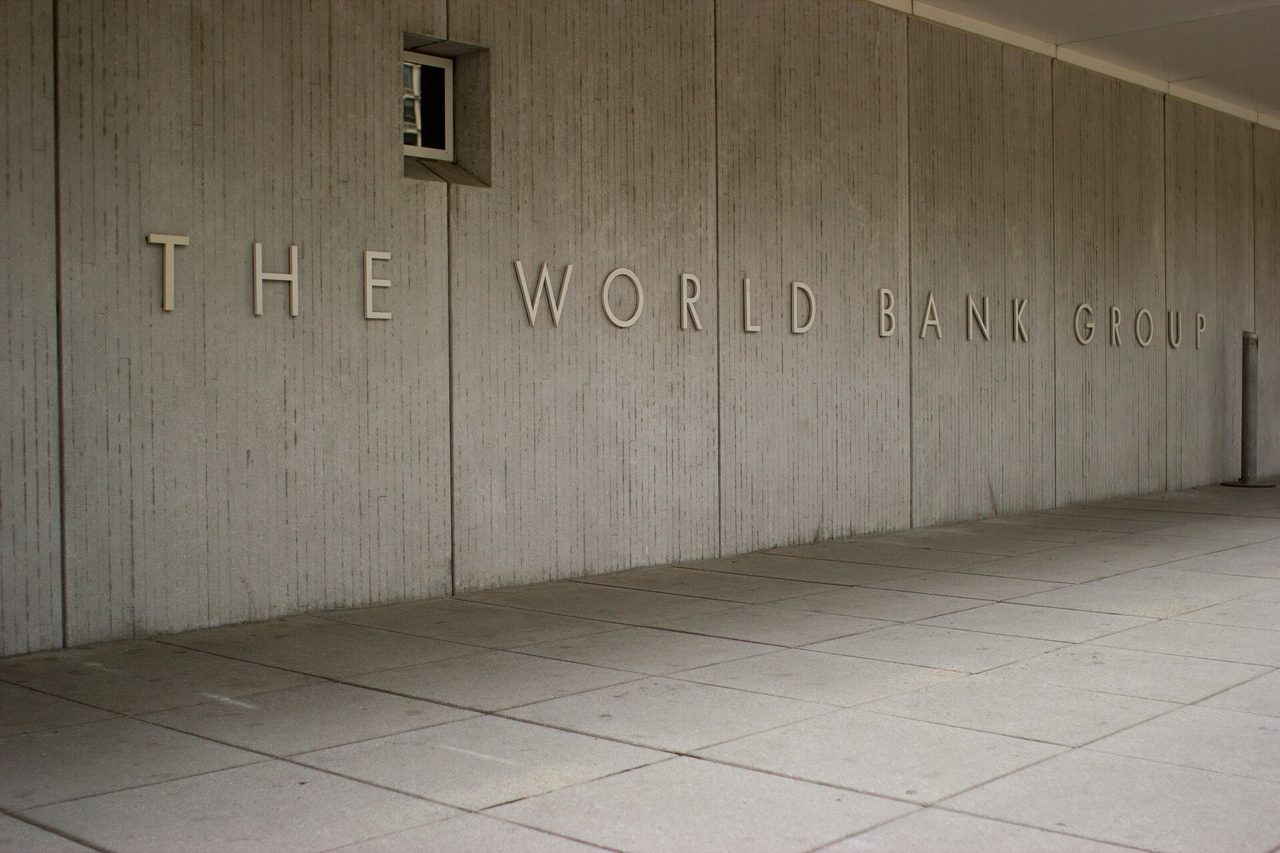
The World Bank's agreement to structure a financing and investment package for Colombia's incoming government offers a crucial early vote of confidence in its pro-investment agenda ahead of a looming $175 billion debt wall.
The World Bank Group has agreed to structure an integrated cooperation, financing and investment package for Colombia’s incoming government ahead of its August 2026 inauguration. A delegation led by vice-president-elect José Manuel Restrepo, accompanied by the designated finance and trade ministers, met World Bank leaders in Washington on Monday to advance the framework for the 2026-2030 term.
For market participants, the timing of the endorsement carries more weight than the currently undisclosed financial terms. Multilateral backing arriving months before a new administration takes office serves as a deliberate signal of confidence in the government-elect's promised pivot toward fiscal caution and pro-investment policies. It acts as a financial counterweight to governability concerns sparked by a combative handover from the outgoing government.
This early outreach is particularly significant given Colombia's pressing fiscal constraints. The country faces roughly $175 billion in debt payments falling due through 2030. The finance-minister-designate is using the Washington trip to open discussions aimed at stretching out that repayment schedule, making external validation of the new team's economic credibility a critical asset.
The planned support draws on the full World Bank Group apparatus, including its private-sector arm, the International Finance Corporation (IFC), and its investment-guarantee body, MIGA. World Bank President Ajay Banga voiced support for the incoming administration's priorities. Regional vice-president Susana Cordeiro said the institution would mobilize its full capacity to back the country's development goals, which are built around maintaining sound public finances, driving infrastructure-led competitiveness, and narrowing social gaps.
Specific figures, targeted sectors, and individual projects remain under wraps. The complete package is scheduled to be unveiled later at a presentation with president-elect Abelardo De La Espriella in Barranquilla. Until then, the agreement functions primarily as a macroeconomic stabilizer rather than a fully funded mandate.
The World Bank meetings represent one leg of a broader diplomatic push by the incoming economic team to court international financial institutions. It follows a separate $60 million non-repayable transition grant from the Inter-American Development Bank. The Colombian delegation also held meetings with the US State, Treasury, Energy and Commerce departments, alongside members of Congress, aiming to reset ties with the country's primary trading partner.