Uber tightens premium fleet rules in Brazil, squeezing driver pay
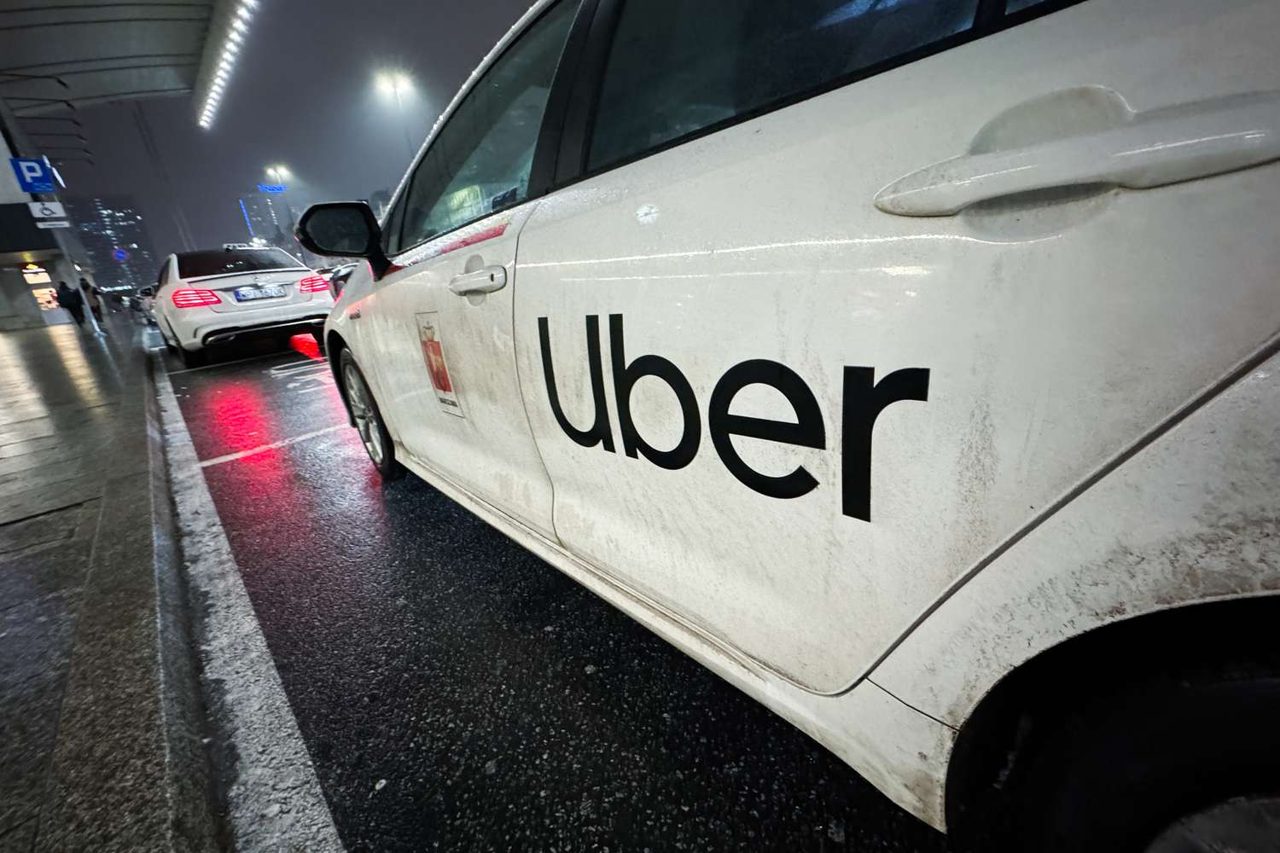
Uber is shrinking the list of cars eligible for its premium tiers in Brazil, a move that will cut per-trip driver earnings and could push up premium prices in its largest global market.
Uber is shrinking the pool of vehicles allowed on its premium Comfort and Black tiers in Brazil, effectively cutting per-trip pay for thousands of drivers. The rule changes are rolling out in two stages during 2026, with the first wave implemented in January and a second scheduled for July. Exact vehicle requirements now vary significantly by city.
The company has overhauled the criteria for its higher-fare categories, shifting away from boot capacity to prioritize interior space, vehicle age, and specific model. Several popular models, including the Fiat Argo, Volkswagen Polo, Volkswagen Voyage, and Chevrolet Prisma, have already been removed from the Comfort tier. The July wave will drop the Renault Logan entirely, regardless of its year. On the Black side, drivers in major cities like São Paulo and Rio de Janeiro will need newer models of cars like the Honda City and Volkswagen Virtus to maintain their eligibility.
For drivers, the financial impact is blunt. Vehicles that lose their premium status do not lose access to the platform, but they are relegated to the cheaper standard UberX rate. A driver who purchased a mid-range sedan specifically to access Comfort fares must now either absorb a lower monthly take-home pay or finance a newer vehicle to reclaim the higher rates. Uber is directing affected drivers toward its rental and financing partners, but the capital cost ultimately falls on the workers.
The move carries outsized weight because Brazil is Uber’s single largest market globally. It is home to roughly 1.4 million drivers and delivery partners, and six of the company’s ten busiest cities worldwide are located in the country. By tightening the eligibility list, Uber is shifting the burden of fleet quality upgrades onto its independent contractors, a structural change that protects the company's balance sheet but risks alienating its workforce.
The tighter vehicle constraints are also likely to squeeze supply at the top end of the market. Riders in Brazil’s largest cities may face longer wait times or higher prices for Comfort and Black rides as the eligible fleet contracts. This supply reduction lands at a sensitive time. In December 2025, Brazil's consumer regulator, Procon, formally questioned the platform regarding how rapidly ride fares can spike during periods of peak demand.
Looking ahead, Uber has introduced a stability mechanism starting in 2027. Under this rule, any newly added vehicle model will remain eligible for premium tiers for at least two years, provided it meets age limits. This does little, however, to offset the immediate margin pressure facing the current driver base as the 2026 rollouts take effect.