El Niño to shave 0.8pp off Peru growth as $3.4bn defences lag
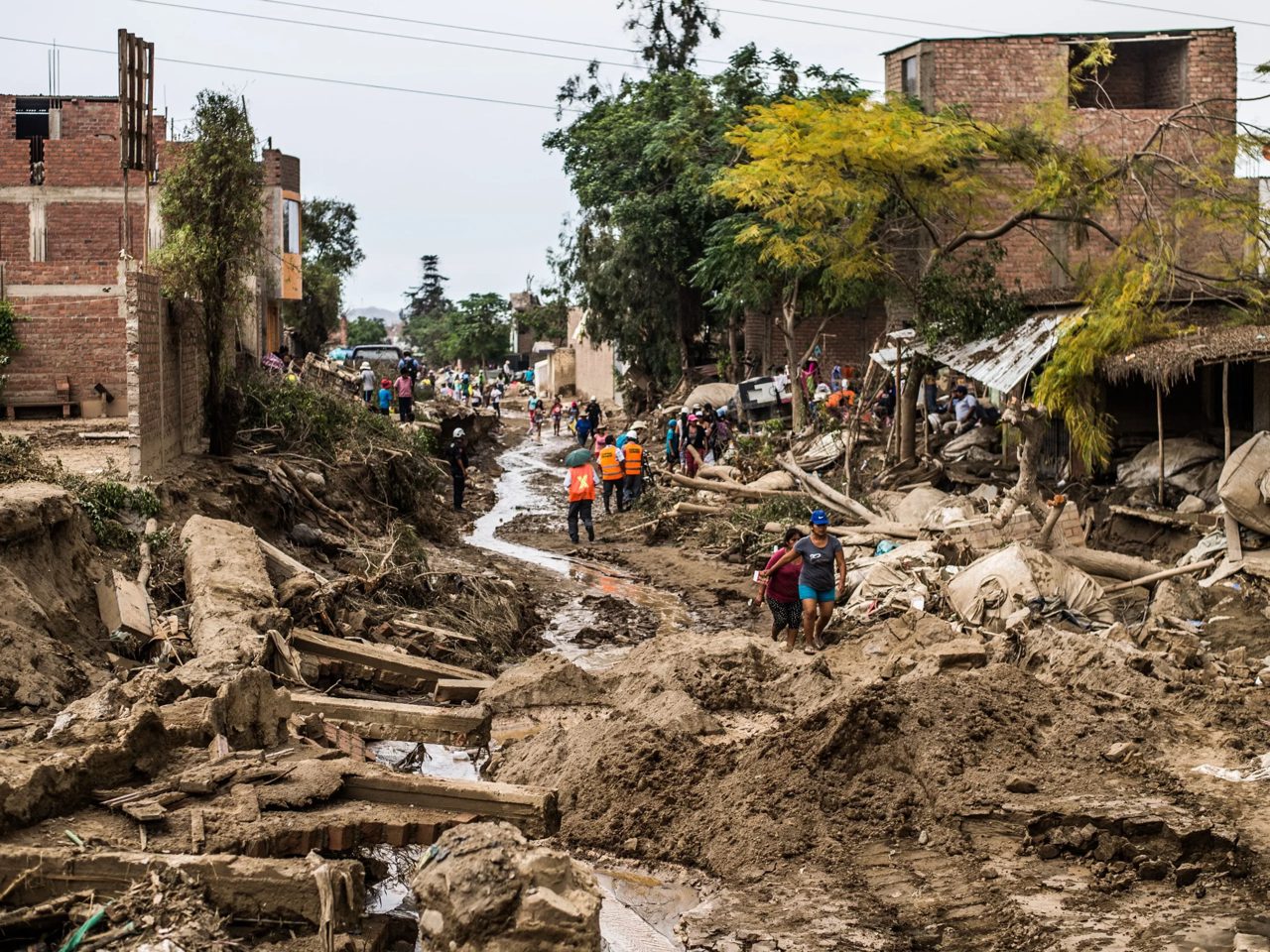
A strong El Niño threatens nearly a quarter of Peru's economic output, but the central risk for investors is the state's failure to finish $3.4 billion in critical flood defences before the rains arrive.
The Lima Chamber of Commerce (CCL) has warned that seven northern and highland regions in the direct path of an expected strong El Niño account for roughly a quarter of Peru's national output. The central bank has already factored in the damage, forecasting the weather event will shave eight-tenths of a percentage point off 2026 growth.
The economic damage will be concentrated in the export-heavy fishing and agricultural sectors. The CCL estimates 60% of fishing output is at risk as warmer Pacific waters scatter catches, while a third of agricultural production faces drought conditions in the southern and central highlands. Retailers are already adjusting their models, with the chamber's retail arm cutting its 2026 growth expectations as weather-driven price shocks threaten consumer demand.
Specific supply chain disruptions are already materialising. Producers in Piura warn that lemon and mango crops face heavy losses without the necessary cold snaps for flowering. Because lemons are a daily staple, any shortage typically pushes domestic market prices sharply higher within a matter of weeks.
Unbuilt defences
The greater concern for markets is the state's lack of physical preparedness. Approximately $3.4 billion in prevention works remains unbuilt just as the rainy season approaches. As of mid-June, a national infrastructure portfolio of 61 flood-defence and drainage projects worth 23 billion soles was only 51% complete on average. Dozens of these projects are facing budget constraints, and the CCL noted that a handful remain entirely suspended nine years after a devastating coastal El Niño struck the exact same regions in 2017.
Forecasters expect the weather pattern to peak later this year, with local experts warning it could rival the severe episodes of 1983 and 1997. This timeline creates an acute political liability for a new administration taking office on July 28, inheriting what the CCL called a climate and budget time bomb.
For foreign capital, the looming El Niño exposes a familiar vulnerability in the Peruvian investment thesis. While the country's macroeconomic fundamentals remain robust, the state's chronic inability to execute public works on schedule translates into tangible, quantifiable risks for exposed sectors.