Nigeria Customs faces N7trn shortfall after N34trn in waivers
Nigeria's customs agency is scrambling to close a N7 trillion revenue gap in the second half of 2026 after duty exemptions reached N34 trillion this year.
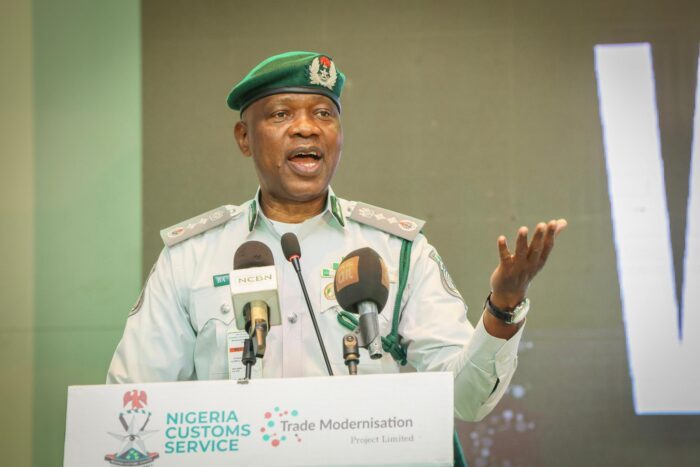
The Nigeria Customs Service has approved N34 trillion in Import Duty Exemption Certificates for 2025, putting severe pressure on its collection targets. Comptroller-General Adewale Adeniyi disclosed the figure during a Senate Finance Committee session, revealing the agency has collected just N4.5 trillion against its N11.04 trillion target for 2026. This leaves an approximate N7 trillion shortfall that must be closed in the second half of the year.
The scale of the foregone duties underscores the financial cost of Nigeria's security priorities. “IDEC approvals reached about N34 trillion in 2025, with about 60 per cent granted for military hardware procurement due to Nigeria’s prevailing security challenges,” Adeniyi said. The remaining exemptions covered critical economic inputs, including compressed natural gas and electric vehicles, healthcare equipment, industrial machinery, and food import interventions.
Structural changes for importers
For executives managing supply chains into Nigeria, the customs service is preparing a major shift in how import charges are calculated. Adeniyi confirmed the agency will replace the existing Comprehensive Import Supervision Scheme and the 7% cost of collection fee with a single 4% Free On Board charge. Under this new framework, importers will pay the 4% charge upfront with no additional levies, a move designed to simplify customs payments and improve transparency.
Fiscal accountability
The massive exemptions highlight a tension in Abuja's fiscal strategy, as the government sacrifices customs revenue to subsidize specific industries while demanding higher overall tax collection. Adeniyi urged the government to establish stronger monitoring mechanisms to verify that waiver recipients actually deliver the intended economic benefits, such as lower consumer prices and increased local production.
The agency is also grappling with an unresolved historical dispute regarding unremitted funds. Bello Gulmare of the Fiscal Responsibility Commission alleged the customs service owes N8.9 billion in unremitted operating surplus dating back to 2019. Senate Finance Committee Chairman Sen. Sani Musa has ordered the customs service, the commission, and the Corporate Affairs Commission to reconcile the accounts within two weeks. “We expect a detailed report on the outcome of the reconciliation meeting within the next two weeks before another interface with the CAC,” he said.