Dangote refinery adopts dollar pricing for fuels
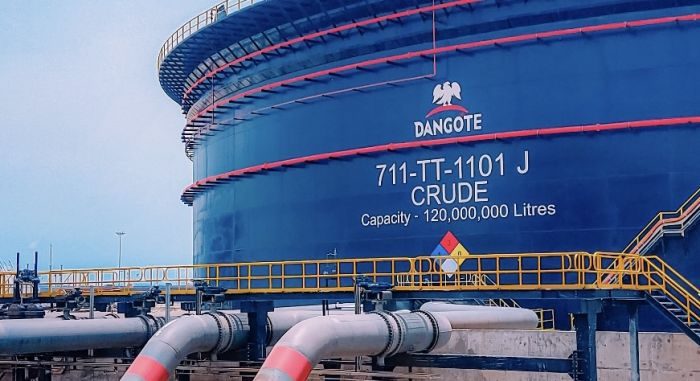
Dangote Petroleum Refinery has abandoned naira pricing for petrol, diesel and jet fuel in favour of dollar-denominated rates, transferring foreign exchange risk directly to downstream marketers and ending a brief experiment in local-currency fuel sales.
Dangote Petroleum Refinery will now sell petrol, diesel and aviation fuel exclusively in US dollars, abandoning the naira-denominated framework it adopted late last year. In a notice to marketers dated July 13, 2026, the company invalidated all previously issued naira Proforma Invoices and Deal Recaps for gantry and coastal transactions.
"Following our email on the 9th of July, 2026, regarding the transition from Naira to United States Dollars, please note that all issued Naira Coastal and Gantry PFIs/Deal Recaps are now invalid, and no payments should be made against them. The applicable USD prices for each product, effective today, July 13, 2026, are provided below," the notice stated.
Under the new schedule, petrol at the gantry is fixed at $0.779 per litre, diesel at $1.087 per litre and Jet A1 at $0.942 per litre. Coastal petrol deliveries are set at $1,044.62 per metric tonne. Liquefied Petroleum Gas remains exempt and will continue to trade under the existing naira arrangement.
At the official exchange rate of N1,380.50 to the dollar, the new petrol benchmark translates to roughly N1,075.61 per litre. This closely matches the refinery's last naira price of N1,075 per litre set on July 2. However, the critical change for investors and marketers is that local fuel costs will now fluctuate automatically with the currency market, stripping away the fixed-price buffer.
The shift effectively dismantles the downstream benefits of the Federal Government's "crude for naira" initiative launched in October 2024. While that policy was designed to reduce foreign exchange pressure and stabilize domestic fuel prices by allowing local refiners to buy crude in naira, Dangote's move to dollar sales pushes the currency risk down the supply chain to distributors.
The refinery's leadership has long signalled that local-currency inputs do not shield it from global cost structures. In March 2026, Chief Executive Officer David Bird noted that the facility buys Nigerian crude at international benchmark prices without any discount. He emphasized that the crude-for-naira arrangement does not mean preferential pricing, leaving the refinery fully exposed to international market dynamics.
Bird also highlighted that operating costs are dictated by international crude prices, freight rates, insurance and financing. He noted that tanker freight charges alone had surged from approximately $800,000 to about $3.5 million per shipment during periods of heightened volatility. By pricing in dollars, Dangote ensures its margins are protected from naira depreciation while passing that currency exposure to buyers.
For the broader market, the change means eventual retail pump prices will be increasingly tethered to foreign exchange movements. While final consumer costs will still depend on distribution margins, dealer fees, taxes and transportation, the underlying commodity cost is now directly anchored to the dollar.