Vivo deploys AI voice concierge to cut Telefónica call costs
Telefónica's Brazilian unit Vivo is replacing traditional phone menus with AI voice agents to automate the majority of customer calls, a move central to the parent group's plan to slash operating costs by a quarter by 2027.
Telefónica’s Brazilian subsidiary, Vivo, is scrapping traditional press-a-number phone menus in favour of an artificial intelligence voice concierge. Callers will now state their problems in natural language before being routed to one of three specialised AI agents handling billing, technical support, or general service.
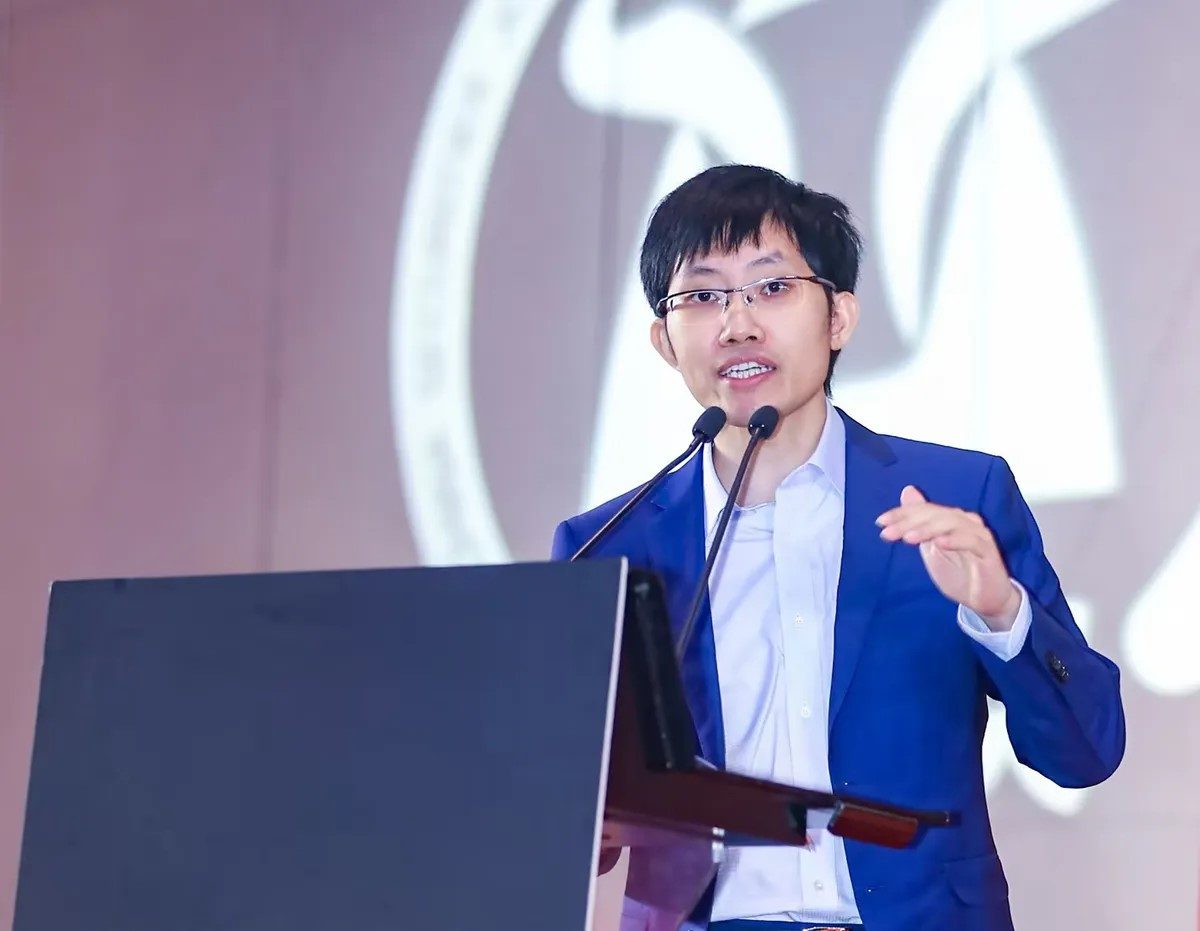
The transition is driven by hard financial targets rather than just customer experience. Chief executive Christian Gebara told analysts the company expects these AI agents to resolve about sixty percent of calls in the coming quarters. The longer-term ambition is for roughly seventy percent of all contact centre interactions to be handled entirely without human intervention.
For investors, the initiative is a direct answer to Telefónica’s aggressive margin targets. The Spanish parent has pledged to cut operating costs by up to a quarter by 2027 and secure substantial annual savings by 2030. Digitising customer service is a named pillar of that strategy, as call centres represent one of the most labour-intensive operations in the telecom business.
The scale of the potential savings is significant given Vivo’s footprint as Brazil’s largest telecom by revenue. The company manages well over one hundred million mobile and fixed-line connections. To support this volume, Vivo has already equipped thousands of human agents with generative-AI copilots that pull data from dozens of internal systems to surface answers in seconds.
These underlying tools are an evolution of existing infrastructure rather than a entirely new build. Vivo has operated a virtual assistant named Aura since 2018, initially handling voice and text queries within its app. The company reports that deploying these AI systems has already delivered shorter average handling times and improved first-call resolution rates.
Execution remains the primary risk for the new voice rollout, as poorly designed automated systems can frustrate callers just as much as clunky phone trees. However, Gebara argues that AI can identify callers and tailor responses, making the process "paradoxically more human." Beyond direct cost reductions, Telefónica views the technology base as a springboard to sell AI and cloud services to corporate clients.