Colombia's 22% Peso Rally Squeezes Farm Export Margins
A 22% rally in the Colombian peso is eroding the competitiveness of the country's agricultural exporters, threatening rural employment and forcing a shift away from currency-driven margins.
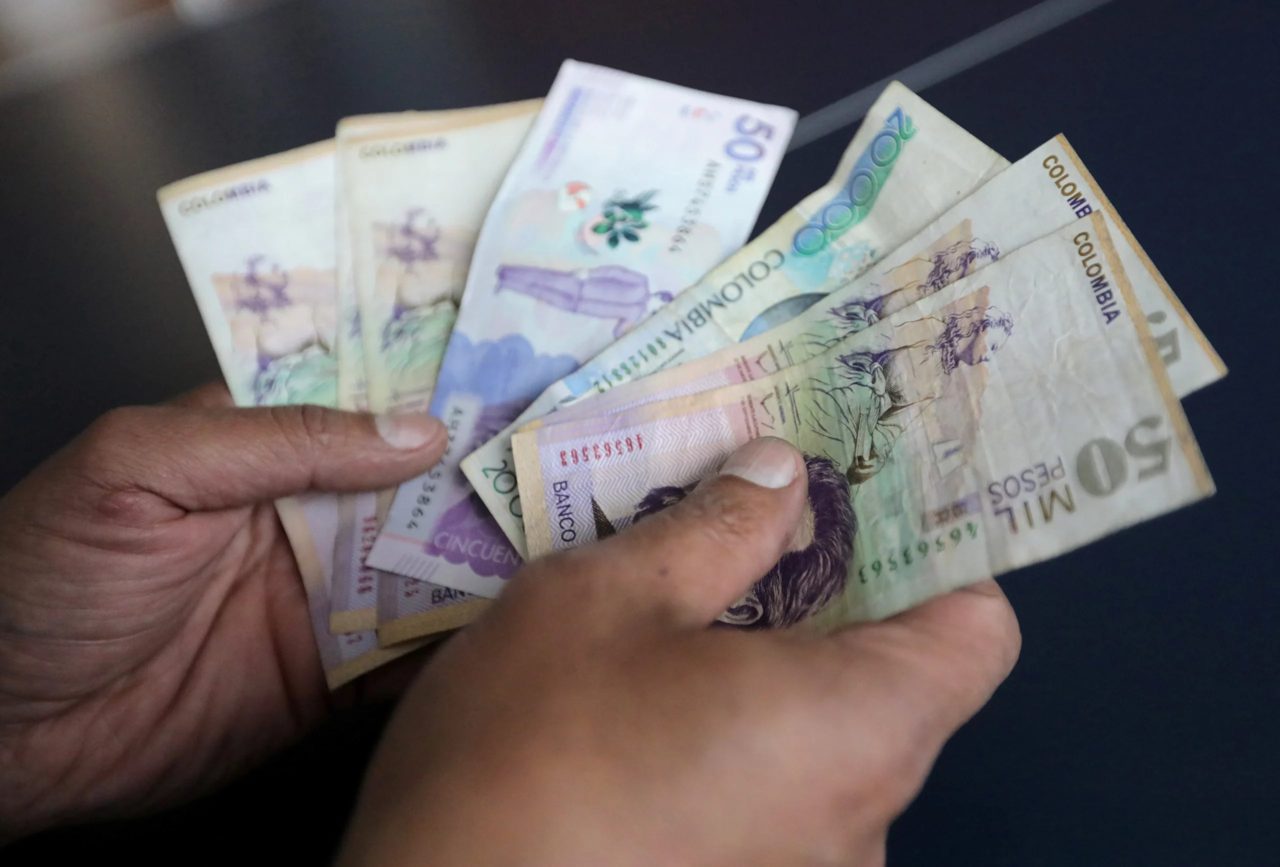
The Colombian peso has appreciated roughly 22% against the dollar since early 2025, reaching around 3,334 per dollar by early July 2026. This marks the currency's strongest level in six years. While the rally flatters the nation's debt-to-output ratio by inflating the local value of dollar-denominated output, it is actively slashing the income of agricultural exporters.
The currency move is eroding margins across key agricultural sectors, including coffee, flowers, bananas, palm oil, sugar and avocados. Because these goods are priced in dollars but local costs are paid in pesos, revenue contracts even when export volumes remain steady. Think tank ANIF estimates that between September 2025 and May 2026, coffee-sector earnings fell short of 2025 exchange-rate levels by 1.4 trillion to 1.6 trillion pesos.
The math is unforgiving. ANIF calculates that every 100-peso shift in the exchange rate alters coffee export values by about 34 billion pesos, or roughly $10 million. This structural squeeze arrives precisely as operating expenses are climbing. Trade group Analdex notes domestic freight costs have surged nearly 30% this year, compounded by higher labour and air-freight bills.
Analdex has appealed to the government for regulatory relief to prevent further margin compression. The group specifically criticised a freight-cost benchmark, arguing it currently functions as a rigid regulatory floor rather than a flexible technical reference. It wants transport efficiencies to translate into lower tariffs for exporters already battling the strong currency.
The peso's strength is driven by a combination of global and local forces. A softer dollar worldwide plays a role, but the primary driver is a stark interest-rate differential. Colombia's central bank lifted its benchmark rate to 12% in late June, while the US Federal Reserve holds rates near 3.5% to 3.75%. Government debt operations that introduced dollars to the domestic market have also supported the peso.
The economic stakes extend well beyond corporate balance sheets. The coffee supply chain alone supports roughly 2.5 million formal jobs, meaning a prolonged income squeeze poses a direct risk to rural employment. For foreign investors, the implication is clear: Colombian farm exporters can no longer rely on currency weakness for a competitive edge. ANIF advises that future margins must come from productivity gains, increased processing, and sustainable certifications rather than forex tailwinds.