Nigeria Buys 62,000 Tons of U.S. Soy After Six-Year Break
Nigeria's resumed purchase of U.S. soybeans signals a strategic trade shift aimed at closing the country's protein deficit while delivering measurable cost savings for local feed millers.
Nigeria imported 62,000 tons of U.S. soybeans in early 2025, ending a six-year hiatus in purchases from American suppliers. The shipment represents a deliberate push by the U.S. Soybean Export Council (USSEC) to establish the country as a long-term destination for exports.
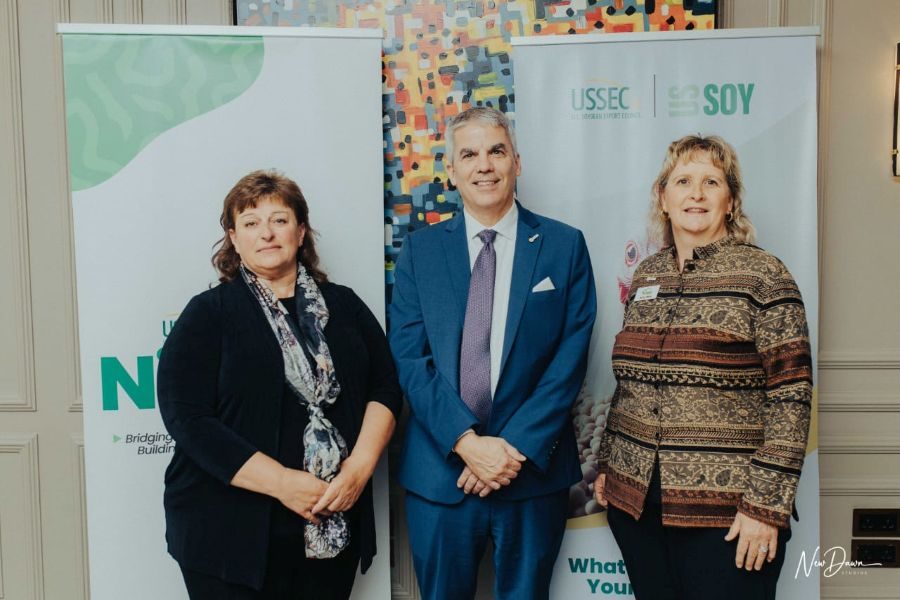
"Nigeria grows soybeans, but as demand for consumption rises, more soybeans will need to be imported," said Brent Babb, USSEC Executive Director for Sub-Saharan Africa. "Local production and imports can grow together."
Nigeria's rapidly expanding population and low per capita protein consumption make it a prime growth market for agricultural exporters. Over 60% of the U.S. soybean crop is already exported globally, and the council is now actively targeting Sub-Saharan Africa's largest economy to capture rising demand.
Operational gains for local millers
For Nigerian agribusinesses, the financial appeal of U.S. soy extends beyond crude protein content to supply chain reliability. Babb noted that consistent amino acid profiles allow producers to avoid over-formulating feed. "You don't need to over-formulate because the digestibility and energy values are reliable," Babb said. "That reduces costs."
Beyond the raw commodity, USSEC is driving commercial returns through technical training. One Nigerian feed mill increased pellet production by 15-20% while cutting costs by 10% after adopting full-fat soy techniques. At Dunn-Maid Farms, operational changes driven by the training improved biosecurity and reduced bird mortality.
Over 1,200 Nigerians graduated from the Soy Excellence Center this year alone, bringing the total to more than 5,000 participants since its launch. "Our surveys show 94% of graduates report stronger job skills, and 93% say their companies are more profitable," said Anne Meis, Chair of the SEC Global Advisory Panel.
Supply chain hurdles remain
Despite the renewed trade flow and operational improvements, structural bottlenecks persist. Babb identified financing as the primary obstacle for the sector, alongside the need for greater consistency across the broader value chain. Crushers require steady soybean supplies to run at high capacity, and the industry needs reliable supplies of day-old chicks.
Inflation also poses a risk to consumer demand for animal protein. Still, USSEC views the market's trajectory positively after more than seven years on the ground. "Growth won't always be linear, but the energy is there, demand is there, financial investment is coming in, and the value chain gets stronger each year," Babb said.