Hormuz closure pushes Brent near $80 as US-Iran ceasefire collapses
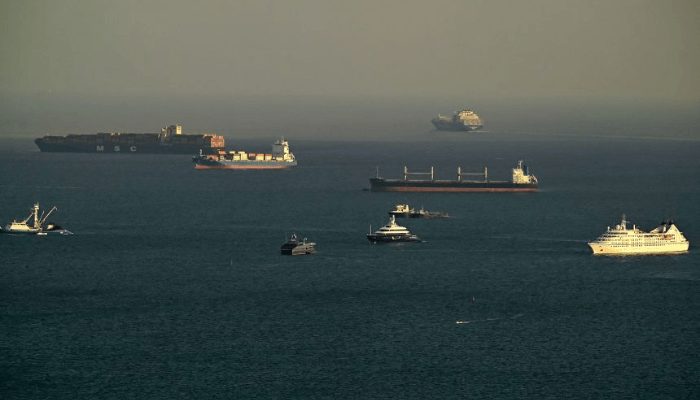
Iran's closure of the Strait of Hormuz following US military strikes has reignited supply fears, pushing crude prices higher and threatening to reverse recent deflationary gains in emerging markets like Nigeria.
Iran has shut down the Strait of Hormuz after the US military conducted strikes targeting 80 Iranian sites over the weekend. President Trump declared an interim agreement to end the war "over," prompting Tehran to halt all shipping traffic through the chokepoint. The Iran Islamic Revolutionary Guard Corps (IRGC) stated that an end to US military interventions is the only condition under which regular transit will resume.
Traders are rapidly pricing in a prolonged disruption to the energy supply chain, which handles a fifth of the world's crude and natural gas. As of 3:51 p.m. WAT on Monday, Brent crude surged more than three percent to near $80 per barrel, while West Texas Intermediate reached $74. The sudden geopolitical premium drove equities and government bond yields lower as investors braced for a resurgence of inflation fears.
Physical oil markets are already reflecting the heightened risk. Ship-tracking analytics noted an uptick in dark-mode transits over the weekend, while no vessels braved the chokepoint visibly. Markets are currently struggling to assess whether the strait is safely passable. “Escalation has slowed vessels transiting the strait to a trickle, renewing concerns over oil supply tightness through the third quarter,” ING’s commodities team wrote.
The current crisis effectively erases the brief stability achieved by a late June ceasefire. That prior agreement had successfully pulled global crude prices back from a historic high of $118 per barrel. Tensions spiked again last Tuesday following Iranian attacks on commercial vessels in the strait, leading to the US retaliation and the subsequent closure.
Iranian officials signaled no immediate path to de-escalation. Mohammad Baqer Qalibaf, Iran’s top negotiator, wrote on X that “the era of one-sided deals is OVER. We told you: keep your word or pay the price. Reality is knocking.” The IRGC separately cautioned that continued interference “could lead to greater incidents in the global oil and gas sector,” warning prices could eventually exceed pre-ceasefire peaks.
Emerging market fallout
The sudden collapse of the ceasefire threatens to undo recent economic relief in oil-importing developing nations. In Nigeria, domestic petrol prices had fallen to about N1,120 per litre following the late June resumption of shipping traffic. Market observers now warn that a sustained closure of the Strait will quickly force those domestic fuel costs to edge back up, pressuring local consumers and broader inflation metrics.