Oil market loses China demand buffer as Hormuz risks return
A likely rebound in Chinese crude purchases is colliding with renewed Middle East supply disruptions to drain global oil inventories and set the stage for severe price spikes later this year.
China is poised to resume massive crude purchases after a June import plunge, removing the single largest demand buffer that has prevented oil prices from skyrocketing amid Middle East supply disruptions. Official customs data released on Tuesday showed Chinese crude imports fell 41.3% year-over-year to 29.27 million tons, or 7.12 million barrels per day (bpd). This marked a decade low, with volumes last seen in October 2016.
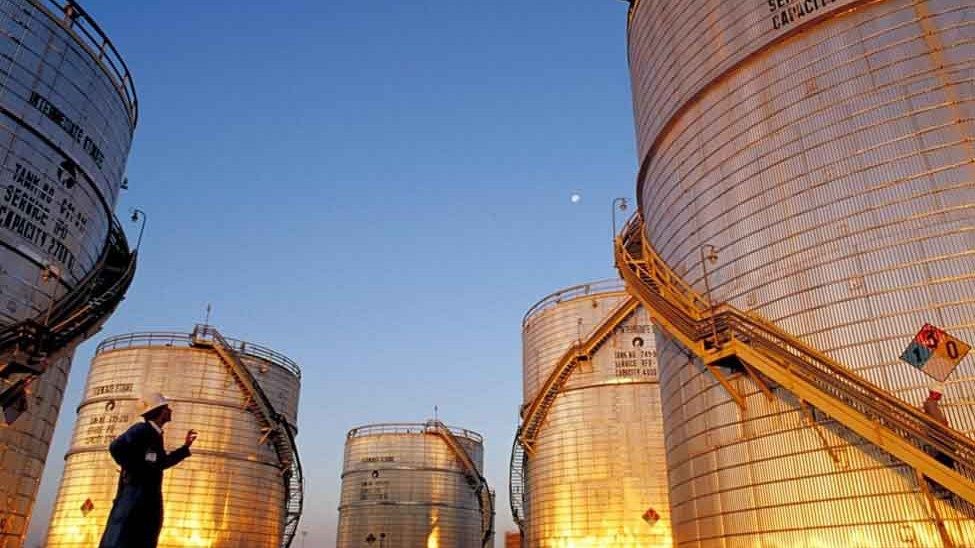
The return of the world’s top crude importer to the market comes just as commercial stockpiles globally run dry. The world has drawn down roughly 600 million to 700 million barrels of oil since the crisis began, according to Amrita Sen, founder of consultancy Energy Aspects. “Now we have close to nothing” left of excess inventories, excluding government strategic reserves, Sen said.
Beijing weathered the initial shock of the conflict by tapping an estimated 1.2 billion to 1.3 billion barrels of pre-war commercial and strategic stockpiles. The International Energy Agency estimates China drew 41 million barrels from inventories in June alone. While Goldman Sachs noted in a recent note that China still holds substantial stocks and is not in a rush to buy, analysts expect a tipping point soon.
Gulf producers have slashed official selling prices for July and August, creating a strong incentive for China to accelerate buying and replenish reserves before they are depleted too deeply. Since February, China’s absence from the market effectively acted as a swing factor, absorbing the shock of lost supply. With that cushion evaporating, a baseline demand surge of roughly 4.4 million bpd could hit the market relative to the 2025 average.
This demand pressure is colliding with a re-escalation of supply constraints. The brief window for evacuating trapped crude from the Gulf, opened by a U.S.-Iran memorandum of understanding, abruptly closed with the collapse of a ceasefire. More than 10 million bpd of daily flows through the Strait of Hormuz remain offline, and a reinstated U.S. blockade on Iranian exports further tightens the physical market.
The confluence of surging demand and restricted supply creates a highly volatile outlook for crude futures. Brent has already flipped into backwardation, a pricing structure reflecting immediate scarcity. “Market complacency around Hormuz flows is being severely tested,” Sen said. “If we are still in this situation by the end of this month or early next month, I don't think we've seen the worst, and I think the worst is actually going to come later on, maybe later in Q3 or early Q4.”