China’s Financial System Is Its Biggest Weakness Against US, Fred Hu Warns
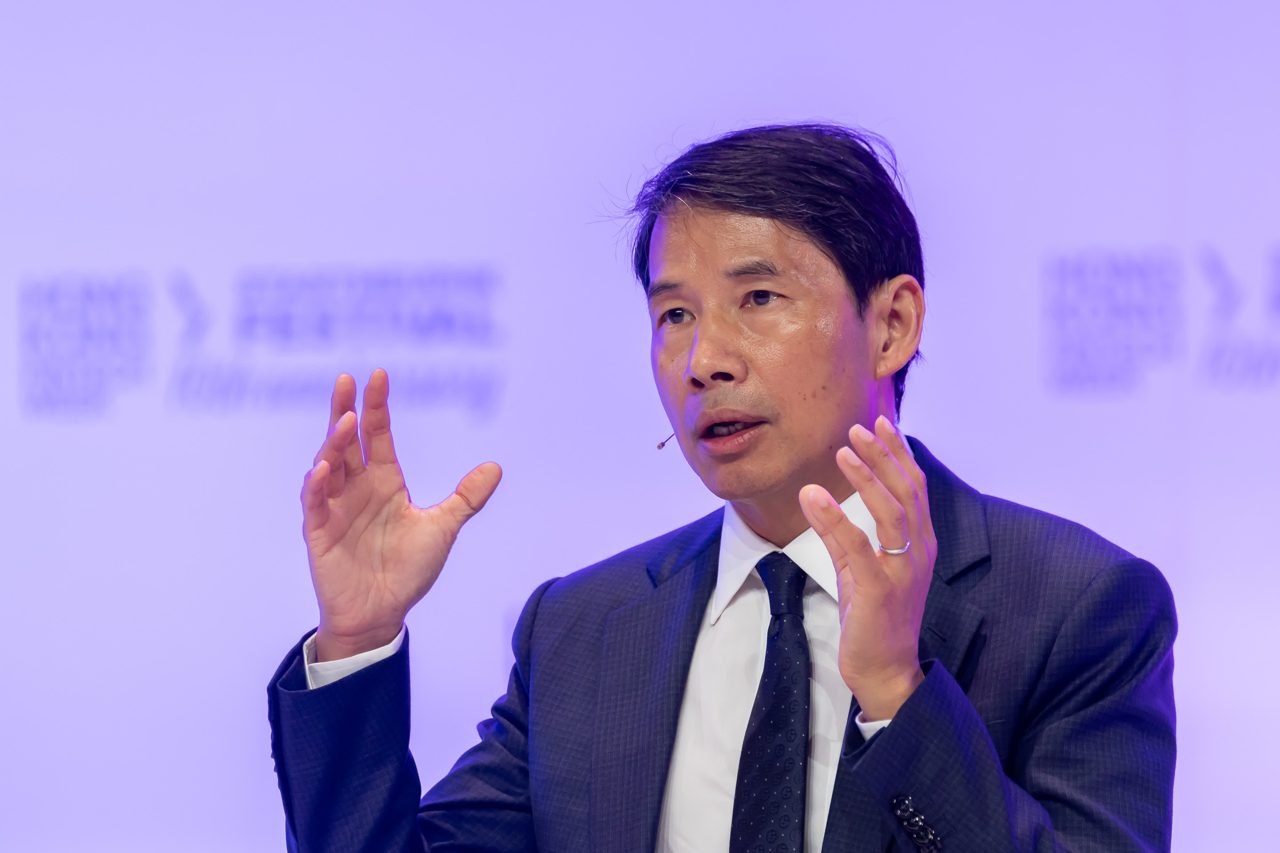
Fred Hu, founder of Primavera Capital, warns that financial decoupling with the United States exposes China’s state-controlled capital markets as a critical vulnerability for its technology and economic ambitions.
Fred Hu, founder of Primavera Capital, warned that China’s financial system has become the country’s primary vulnerability in its economic rivalry with the United States. The former Goldman Sachs executive argued that financial decoupling poses a greater threat to Beijing than constraints on artificial intelligence or semiconductors.
The Capital Gap
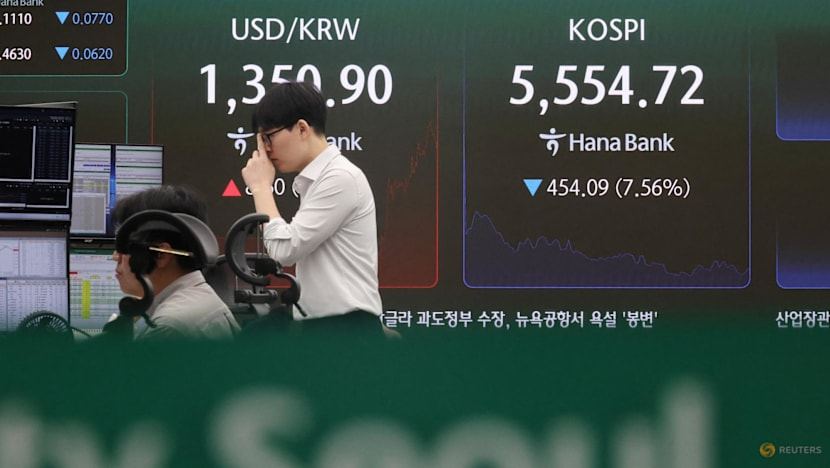
Hu, whose firm manages approximately $20 billion in assets, highlighted a stark disparity in market depth. The U.S. stock market is valued at roughly $75 trillion, while China and Hong Kong combined total $22-odd trillion.
"Blackstone can do without China," Hu noted. "But China's private equity funds still rely heavily on the U.S. in fund raising." This dependency is increasingly problematic as Washington restricts American investment in Chinese tech firms and Beijing limits U.S. funding for its most promising startups.
Replacing retreating American capital has proven difficult for Beijing. The country’s national savings rate sits near 43 percent of GDP, accumulating 167 trillion yuan ($24.6 trillion) in household wealth by the end of 2025. However, these funds remain largely trapped in bank deposits, property, and guaranteed products rather than venture investing.
State Control Over Resources
Kyle Chan, a fellow at the Brookings Institution, noted that Chinese policymakers view the U.S. economy as being steered by private finance, which conflicts with the party-state’s desire to direct overall policy. Consequently, government-led funds contributed 81 percent of new capital last year, up from 65 percent in 2019, according to Rhodium Group.
Rhodium Group warned that this intensifying state control over resource allocation is likely to compound wasteful spending and economic inefficiency over the long run. Meanwhile, Chinese fund managers seeking alternative capital in the Middle East find a pool far smaller than America’s and shallower than China’s own wealth reserves.
Despite these structural headwinds, Hu remains optimistic about deploying capital within China. Primavera is actively investing in large-language models, robotics, and energy infrastructure, while also backing the technological upgrade of traditional manufacturing and healthcare sectors.
For the broader consumer sector to recover, Hu emphasized the need for steady policy, a stronger social safety net, and a rebuilt consumer-credit market. He pointed to summer graduate employment and a stabilized property market as the key indicators of returning economic confidence.