Chevron nears deal for Iraq's West Qurna 2 and Hormuz exit
Chevron is advancing negotiations for two major Iraqi oilfields and a Mediterranean export pipeline, a strategic pivot that could yield its largest upstream investment in years while mitigating critical Strait of Hormuz supply risks.
Chevron is set to sign two non-binding memoranda of understanding in Houston on Friday, advancing negotiations for Iraq's West Qurna 2 and Nassiriya projects. The agreements, struck during Iraqi Prime Minister Ali al-Zaidi's visit, follow meetings with President Donald Trump in Washington. For the U.S. supermajor, the deals represent a clear pathway to one of its largest upstream investments in years.
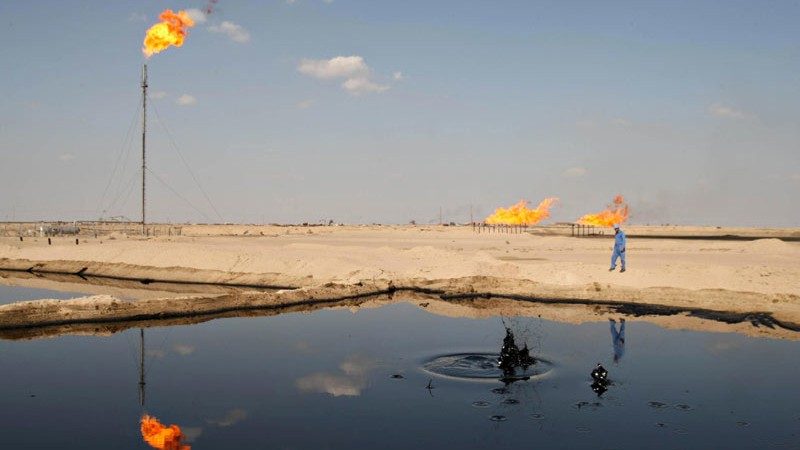
West Qurna 2 is the commercial centerpiece. The southern Iraqi field currently produces 460,000 barrels per day. Iraq nationalized the asset earlier this year after U.S. sanctions forced out Russia's Lukoil, creating an opening for Chevron to enter exclusive talks in February. Friday's MOU targets the commercial terms required to finalize a binding contract.
Nassiriya offers a different but complementary value proposition for Chevron's portfolio. While currently a smaller producer than West Qurna 2, the field carries significant exploration upside. An agreement in principle signed last year covers Nassiriya and four surrounding exploration blocks, establishing a long-term growth platform within OPEC's second-largest producer.
Beyond the reservoir
For market participants, the infrastructure negotiations running parallel to the field acquisitions are arguably more significant. Chevron has joined a consortium evaluating new export pipelines that would route Iraqi crude to the Mediterranean Sea. This infrastructure would bypass the Strait of Hormuz entirely, with potential routes connecting Iraqi fields to Syria or other regional export corridors.
The commercial logic is a direct response to recent geopolitical shocks. A recent crisis in the Strait of Hormuz forced Iraq to abruptly slash production after tankers were unable to leave the Persian Gulf. The disruption exposed a fundamental vulnerability: massive upstream capacity offers little value if the crude cannot reach global markets.
Washington is heavily backing the rebuild of the long-idled Kirkuk-Baniyas pipeline, which links Iraq to Syria's Mediterranean coast. The U.S. government wants American companies to lead this infrastructure push, while Iraq needs an insurance policy against another chokepoint closure. By coupling field development with a strategic export bypass, Chevron is aligning itself with both U.S. policy objectives and fundamental supply chain security.