IEA forecasts first global oil demand drop since 2020
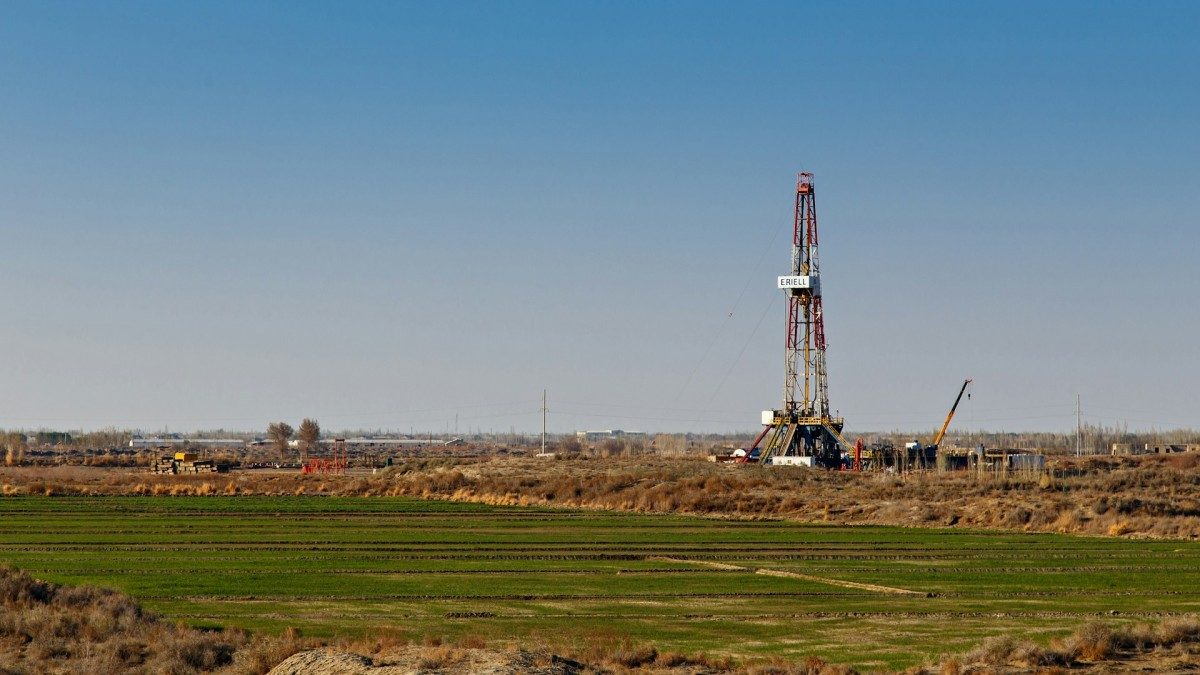
The International Energy Agency expects global oil demand to fall by 1 million barrels per day in 2026 as the prolonged closure of the Strait of Hormuz forces a structural shift toward alternative energy sources.
Global oil demand is poised to contract by roughly 1 million barrels per day (bpd) next year, marking the first annual decline since the 2020 pandemic. The International Energy Agency (IEA) projected the drop in a July 10 report, an outlook now broadly mirrored by OPEC.
The demand destruction stems directly from the U.S.-Israeli-led war on Iran, which has effectively choked off the Strait of Hormuz. The waterway typically handles a fifth of the world's oil, but recent attacks have reduced traffic to a trickle. "Renewed exchanges of fire in the Gulf this week highlight the risks of not reaching a lasting peace agreement, which is a must for the normalisation in oil markets," the IEA wrote.
The supply shock has been severe. The IEA estimates global supply could plunge by 3.7 million bpd in 2026, leaving an 860,000 bpd deficit. While June saw a 4.1 million bpd production rebound to 98.8 million bpd following a partial reopening of the Strait, output remains 9.4 million bpd below pre-war levels. OPEC+ producers averaged 36.28 million bpd in June, up 3 million bpd from May, though the blockade prevented the bloc from hitting its April output targets.
For investors and energy executives, the critical takeaway is the behavioral shift in consumption. The prolonged Middle East disruptions have pushed non-Gulf states to increase their own pumping, while consumer nations accelerate their pivot to renewables and coal. This substitution effect is actively eroding baseline demand for Middle Eastern crude.
OPEC remains marginally more optimistic, cutting its 2026 demand growth forecast to 780,000 bpd in a July 13 report, its third consecutive downward revision. "The global economic growth dynamic in the first half of 2026 has remained broadly resilient," OPEC stated. The cartel still expects 2027 demand to grow by 1.94 million bpd, a 210,000 bpd upgrade from its previous view, banking on a stabilization of trade flows.
Any late-2026 surplus relies entirely on a ceasefire. "While the global oil market balance looks set to swing back to surplus towards the end of the year, the forecast hinges on the assumption that tanker flows through the Strait will gradually recover," the IEA noted. Regardless of the timeline, the crisis has made one outcome certain: global markets are already diversifying supply chains to permanently reduce their reliance on the Persian Gulf.