Amazon hikes Echo and Kindle prices amid AI-driven memory chip shortage
Amazon has increased prices across its consumer hardware lineup to offset surging memory chip costs, highlighting how artificial intelligence demand is inflating expenses throughout the technology sector.
Amazon implemented overnight price increases across its consumer hardware portfolio, including Echo smart speakers, Fire TV devices, Kindle e-readers and eero networking systems. The adjustments mark a notable shift for a company historically recognized for keeping device costs low.
The base Echo Dot rose to $79.99 from $49.99, while the Echo Show 11 increased to $249.99. Kindle models saw a $40 jump, with the 16-gigabyte standard and Paperwhite editions now costing $149.99 and $199.99, respectively. Fire TV Stick HD and 4K Max editions were raised to $39.99 and $84.99, and eero 7 and Pro 7 systems increased to $399.99 and $799.99. Ring product prices remained unchanged.
An Amazon spokesperson confirmed the changes, stating the consumer electronics sector is "facing significant increases in memory and storage component costs." She added that the company absorbed the expenses for as long as possible before adjusting prices, noting that promotional offers will continue throughout the year.
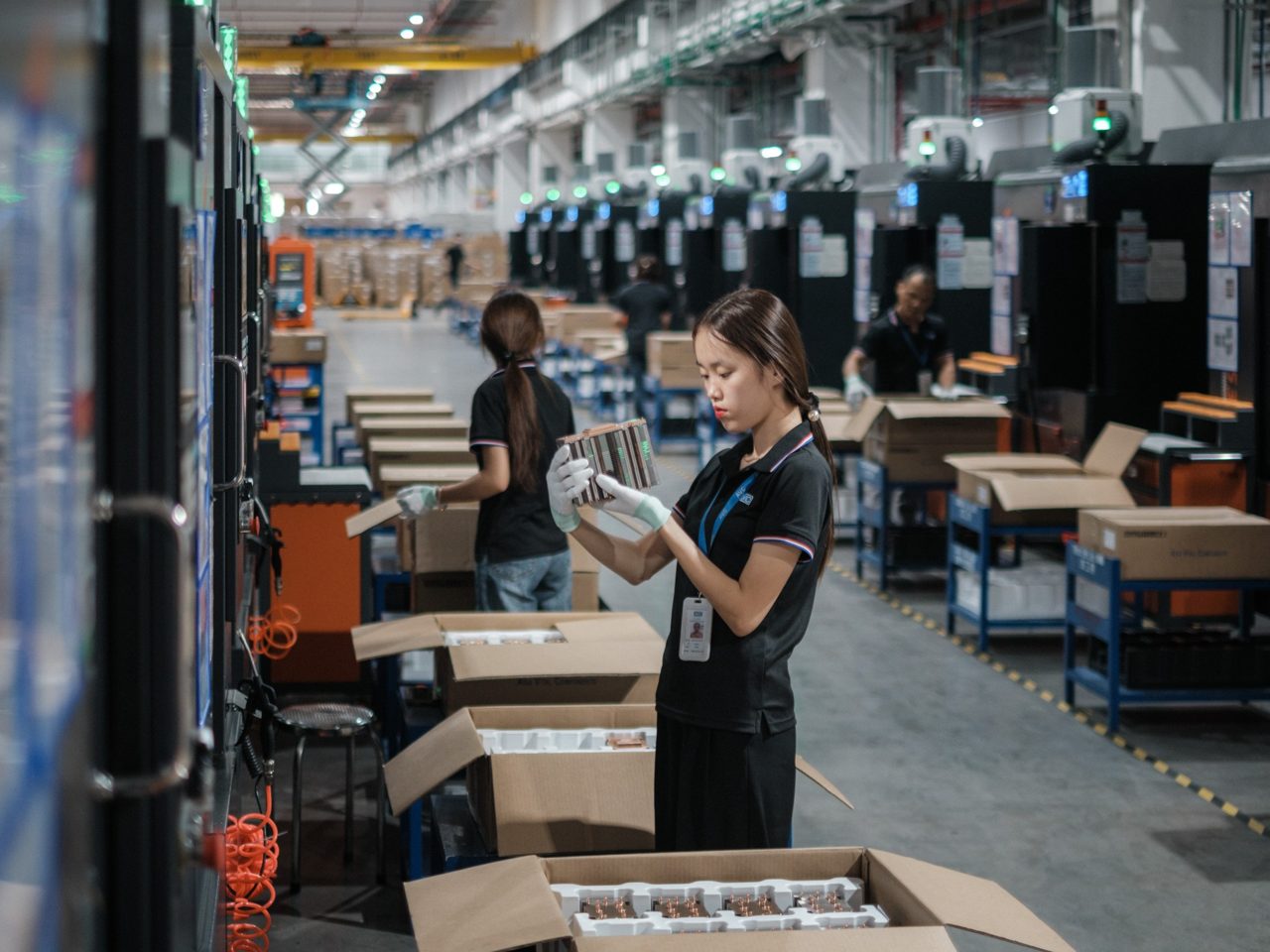
The pricing shift underscores a broader industry squeeze driven by immense demand for artificial intelligence compute. Memory chip shortages are forcing technology manufacturers across the board to either raise prices or reduce hardware specifications.
Apple raised Mac and iPad prices in June, with chief executive Tim Cook describing the situation as a "100-year flood on memory pricing." Microsoft recently announced Xbox console price hikes of $100 to $150 and discontinued its highest-end 2-terabyte configuration. Dell, HP, Lenovo and Asus have similarly adjusted pricing or reduced memory allocations.
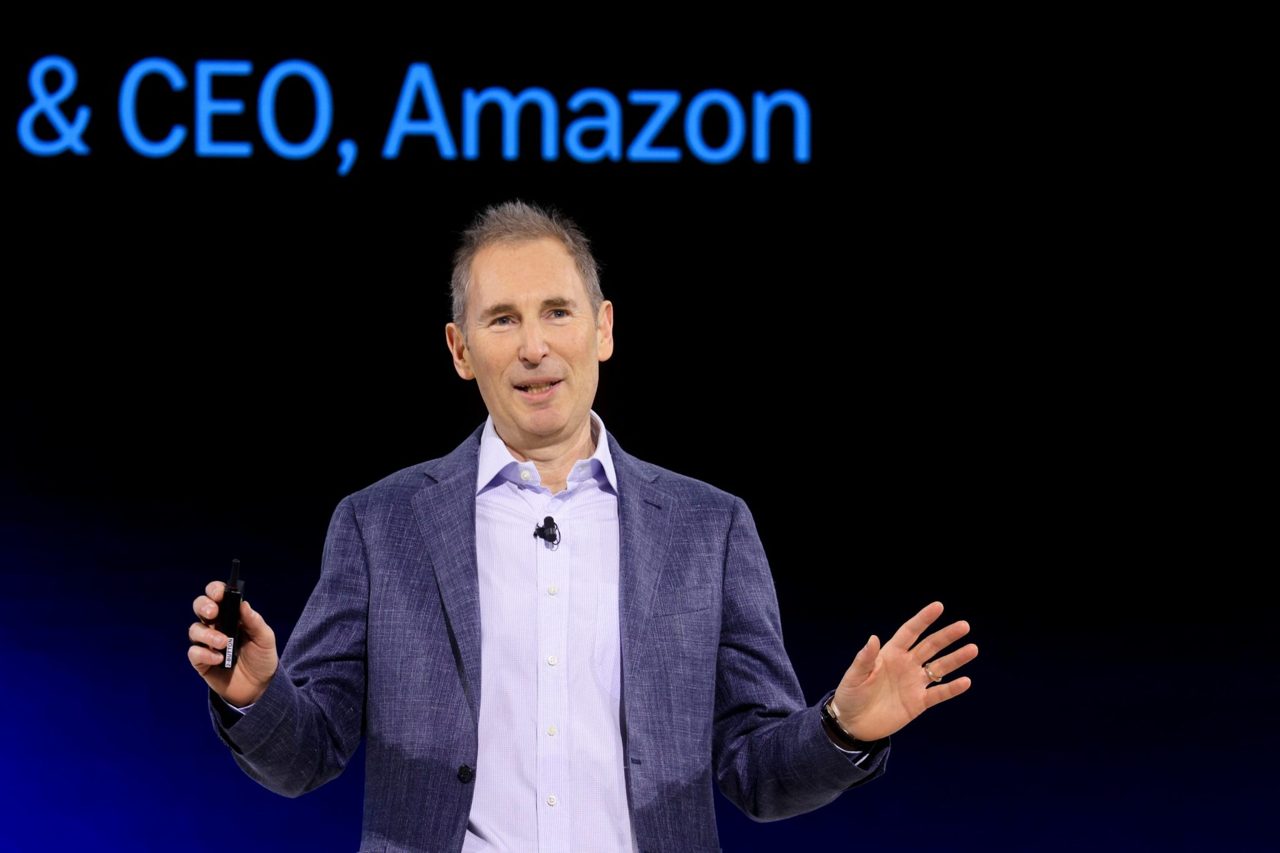
For Amazon, the hardware squeeze coincides with massive capital expenditure increases aimed at securing AI infrastructure. Chief executive Andy Jassy told investors in late July that the company expects to spend $220 billion this year on capital expenditures, up from a prior $200 billion estimate.
Jassy noted that even at this elevated spending level, Amazon will not have enough capacity to meet all demand in 2026 or 2027. Meanwhile, the company's cloud unit continues to benefit from the AI boom, with Amazon Web Services posting $42.2 billion in second-quarter revenue. That figure represents a 37% increase from a year earlier, marking the unit's fastest growth in 18 quarters.