Trump plans tariff-free beef imports to curb prices, sparking rancher backlash
The U.S. administration plans to temporarily allow 300,000 metric tons of tariff-free beef imports to combat record grocery inflation, a move that risks depressing domestic cattle prices and undermining long-term herd expansion.
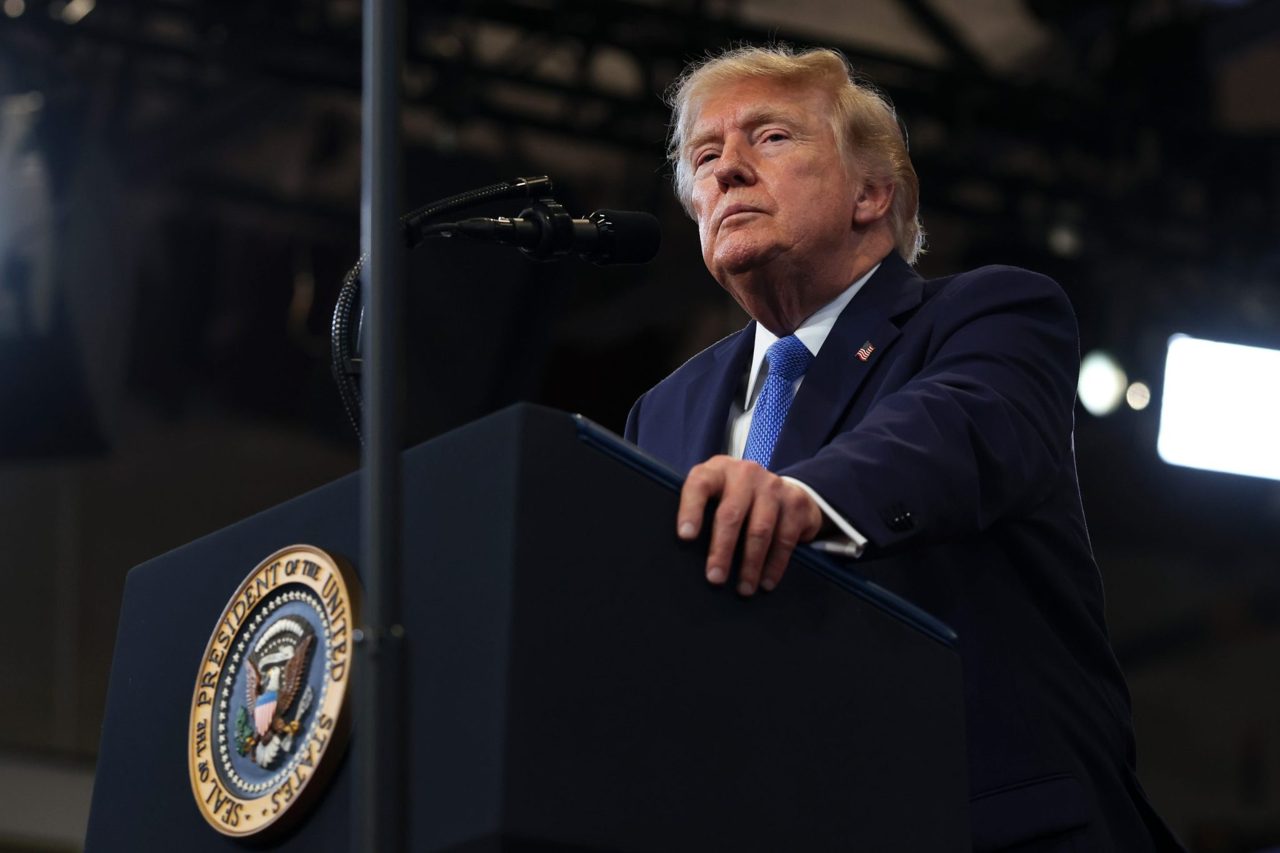
President Donald Trump announced plans to permit 300,000 metric tons of ground beef imports into the United States without triggering out-of-quota tariffs for the next 90 days. The White House intends to formalize the directive with an executive order within two weeks, targeting lean beef trimmings used for ground beef production.
The intervention comes as beef prices reach record highs driven by consistent consumer demand, a multi-decade low in the domestic cattle herd, and supply constraints from Mexico due to a flesh-eating pest. With midterms approaching, the administration is under pressure to address affordability, having previously imposed 50% tariffs on major exporter Brazil and attempted to source more meat from Argentina.
According to a White House official, foreign exporters have agreed to sell the imported beef at a 25% discount to current market rates. The president argued the measure would ultimately help grow the domestic cattle supply by easing consumer costs.
Market impact and industry pushback
Agricultural groups and rural-state lawmakers swiftly condemned the policy, arguing it sacrifices long-term market stability for short-term political messaging. U.S. Cattlemen’s Association President Justin Tupper warned, “You don’t put America first by putting U.S. cattle producers last,” adding that the move will “weaken our markets and gamble with food safety.”
National Cattlemen’s Beef Association CEO Colin Woodall criticized the intervention for sacrificing “long-term stability for short term messaging.” Republican senators from key cattle-producing states echoed these concerns regarding the impact on domestic producers.
Senator Deb Fischer of Nebraska stated, “Flooding the market with foreign beef hurts our livestock industry and undermines the long-term solution: growing the U.S. cattle herd to meet demand.” Senator Tim Sheehy of Montana added that the policy would “harm our ranching families who feed the nation,” while Senator Pete Ricketts noted that “short term policy shifts do not equal long term solutions.”
Market experts question both the scale and the feasibility of the plan. Glynn Tonsor, a professor at Kansas State University, noted that 300,000 metric tons represents roughly 3% of annual American consumption.
“The relative magnitude we are talking about is pretty small,” Tonsor assessed. David Anderson, an agricultural economics professor at Texas A&M University, expressed skepticism that foreign nations could redirect such a massive volume of beef to the U.S. on short notice.
“Is that even achievable?” Anderson asked. Furthermore, industry leaders argue the policy will actively damage the domestic supply chain by disincentivizing local production.
R-CALF USA CEO Bill Bullard pointed out that “imports have been a major contributor to the decline in the U.S. cattle inventory.” He warned that “using more imports today will exacerbate that decline and will prevent herd expansion.”