Nigerian rights complaints hit 326,113 as policing shifts
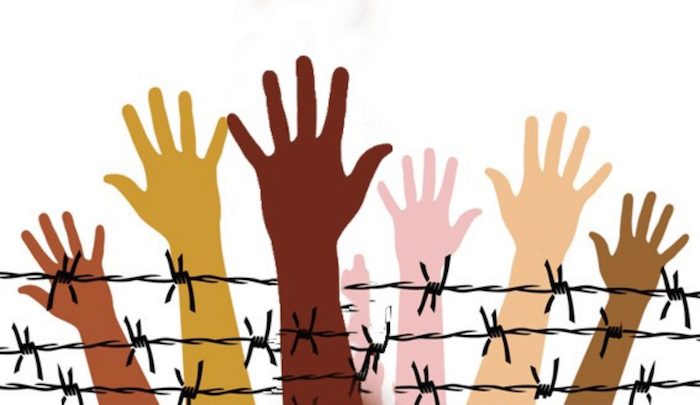
Nigeria recorded 326,113 human rights complaints in June, a figure that signals deepening security risks for investors as the country attempts to decentralise its policing framework.
The National Human Rights Commission (NHRC) recorded 326,113 complaints of human rights violations across Nigeria’s 36 states and the Federal Capital Territory in June 2026. Executive Secretary Tony Ojukwu, SAN, disclosed the figure during the presentation of the commission’s monthly Dashboard Report. Violations of the right to life emerged as the most common category of abuse, with armed violence accounting for a significant share of the recorded incidents.
This volume of complaints arrives just as Nigeria attempts a fundamental overhaul of its security framework. In June, lawmakers passed a constitutional amendment aimed at decentralising policing structures and operations. While this devolution of power is expected to alter security management across the country, the immediate human rights data suggests the transition period could be highly volatile. For businesses, a fragmented policing model introduces uncertainties regarding the consistent enforcement of law and order across different jurisdictions.
The severity of the reported abuses carries direct implications for foreign direct investment and corporate operations. International investors increasingly rely on human rights metrics as leading indicators of political stability and rule of law. Widespread armed violence elevates operational costs, disrupts logistics, and forces companies to spend heavily on private security. Additionally, the sheer scale of civilian protection failures will likely weigh heavily on the country’s ESG scores, potentially restricting access to global capital pools that screen out jurisdictions with poor rights records.
The commission’s data also exposes deep, localized humanitarian crises that deter regional investment. Ojukwu highlighted the ongoing plight of Yelewata massacre survivors in Benue State, noting that one year after the incident, displaced residents are still trapped in overcrowded conditions without adequate food, clean water, or healthcare. He further identified a disturbing upward trend in sexual violence against children, warning that the lack of robust child protection systems represents a critical social failure.
Ojukwu called for increased investment in school safety and psychosocial support, urging security agencies to improve accountability systems. “The commission joins all those calling for justice for the victims of Yelewata and for every community across the country awaiting accountability,” he said. Until Nigeria’s institutions can translate the new decentralised policing framework into a tangible reduction in armed violence, the country’s risk premium is likely to endure.