Brazil 2026 Poll Shows Lula Leading Bolsonaro as Markets Eye Policy
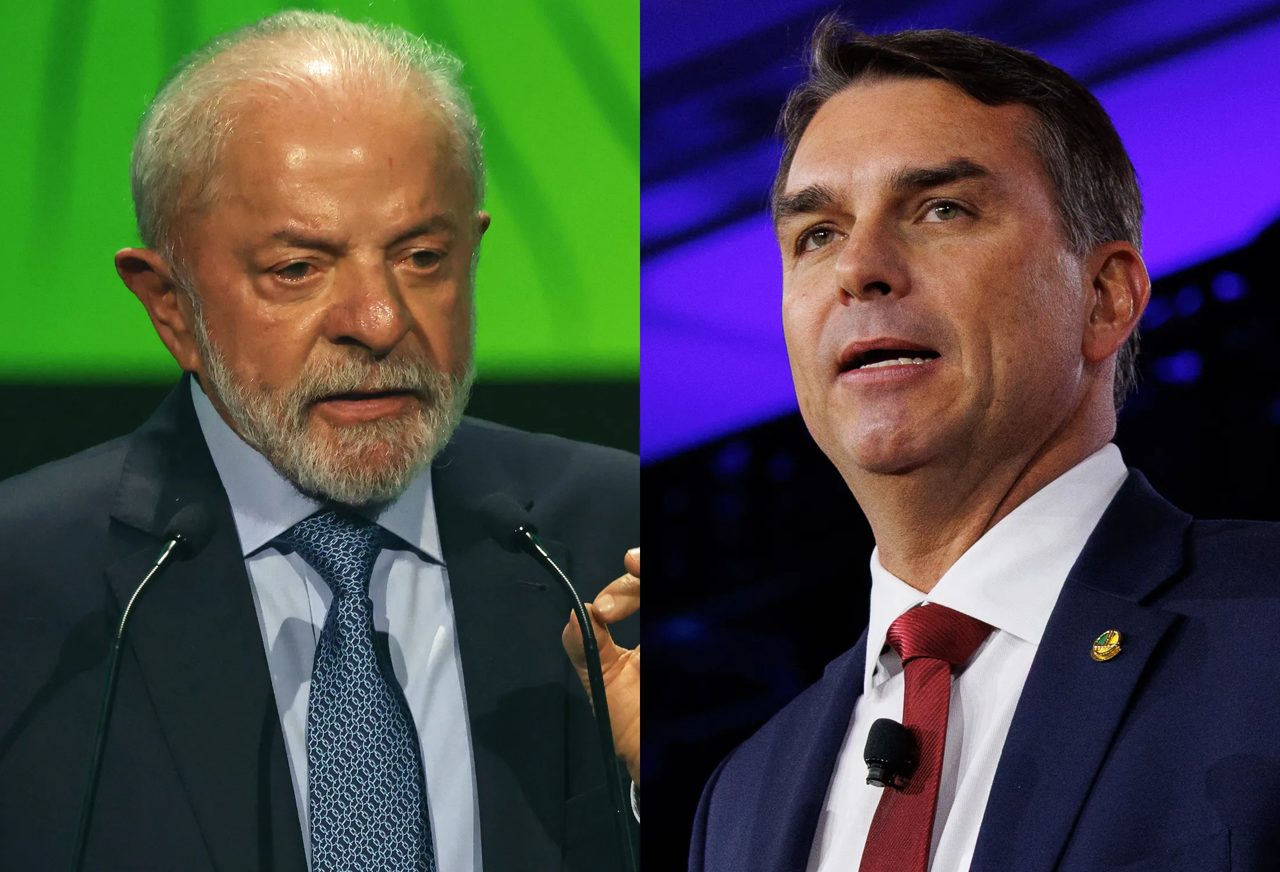
President Luiz Inácio Lula da Silva holds an eight-point lead over Senator Flavio Bolsonaro in a hypothetical 2026 runoff, a margin that financial markets will scrutinize for signals on the endurance of Brazil's current policy framework.
A July 15 Genial/Quaest poll places Lula at 45% and Flavio Bolsonaro at 37% in a simulated second-round vote. In a broader first-round scenario, the president captures 40% against the senator's 28%, with no other candidate managing to break out of single digits. Goiás Governor Ronaldo Caiado leads the fragmented rest of the field at 4%, followed by activist Renan Santos at 3% and Minas Gerais Governor Romeu Zema at 2%.
Financial professionals pay particular attention to the Genial/Quaest survey because it is commissioned by Genial, a domestic brokerage. The data acts as a real-time barometer for how traders are pricing political risk. When the gap between candidates narrows, investors immediately reassess the likelihood that a market-friendly policy framework can survive the October 2026 vote. This reassessment historically translates into short-term volatility across Brazilian asset classes, particularly the real and the Bovespa stock index.
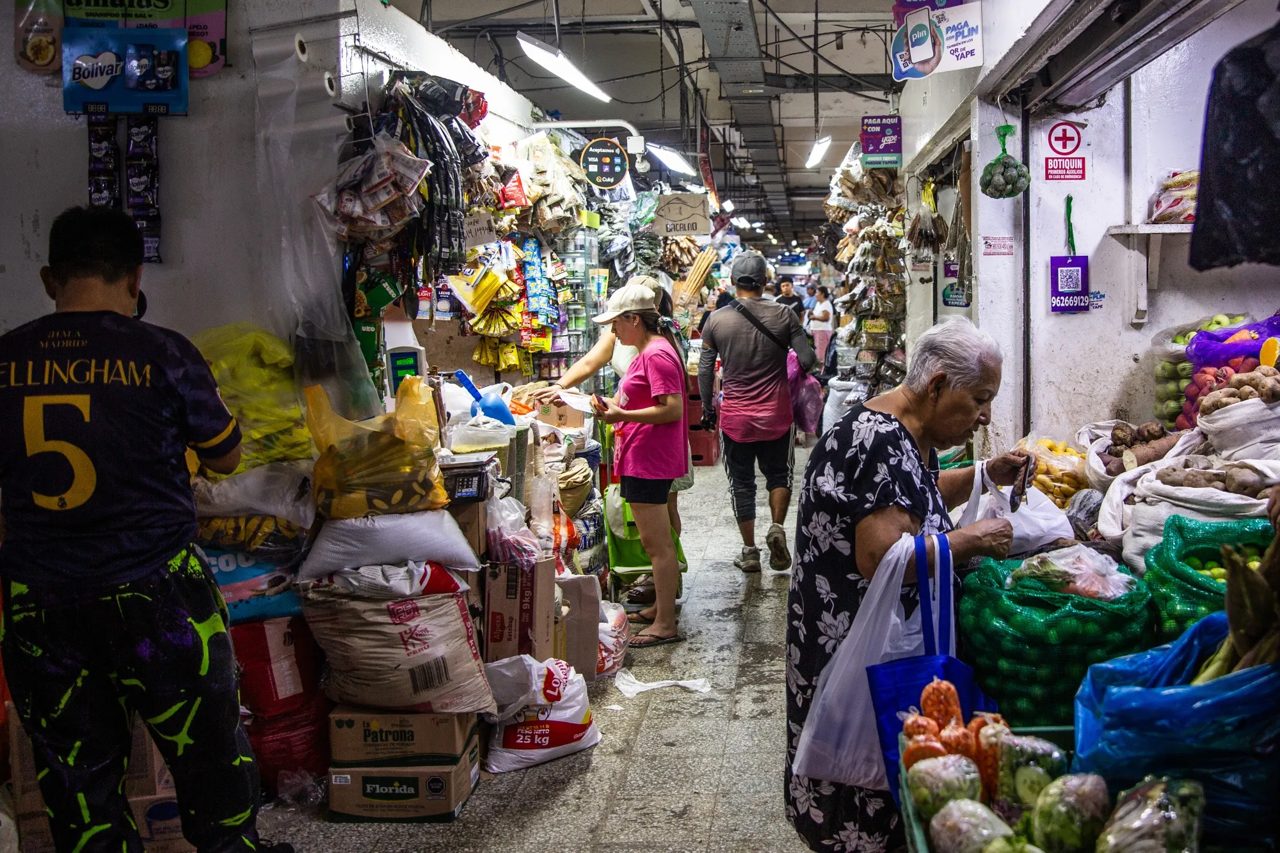
The implications extend beyond equity and currency trading desks. For the business community and foreign residents, the polling points to a protracted 15-month campaign cycle that will dominate public discourse. Political stability, or the absence of it, has a direct bearing on utility pricing, currency exchange rates, and the broader cost of living in Brazil's major urban centers.
Beneath the headline matchup, the polling numbers highlight a deeply divided electorate. Lula's job approval sits at just 48%, virtually tied with his 47% disapproval rating. Because this one-point gap falls well within the margin of error, the country is effectively split on his economic stewardship. This parity suggests that macroeconomic conditions—specifically inflation and employment trends—will ultimately determine the 2026 outcome.
Flavio Bolsonaro's path to the presidency is further complicated by a severe popularity deficit. A full 57% of respondents stated they would not vote for him under any circumstance. In Brazilian presidential politics, such a high rejection rate functions as a rigid ceiling, severely restricting a candidate's ability to court undecided voters during a runoff. The senator is currently trying to transition from his role as the son of former President Jair Bolsonaro to a viable standard-bearer, attempting to consolidate his father's base while presenting a more moderate profile.
Lula is countering this opposition by emphasizing tangible economic delivery rather than ideological battles. The president has actively traveled the country to inaugurate new infrastructure and housing projects, a strategy designed to convert public investment into political capital. As the campaign progresses, markets will likely continue to weigh Lula's infrastructure push against the opposition's efforts to narrow the gap.