Nigeria DisCos resist NERC order seizing surplus revenues
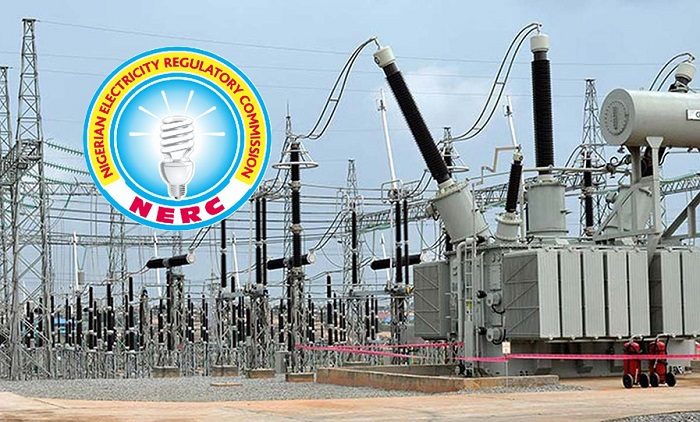
A new directive forcing Nigerian electricity distributors to surrender surplus revenues for network investment has sparked a jurisdictional and financial clash that threatens to deter private sector lending.
Nigeria’s electricity regulator has ordered distribution companies to lock away a majority of their surplus operating revenues for infrastructure spending and debt repayment. The directive, effective July 1, 2026, requires utilities to obtain federal approval before deploying these funds. The move has triggered immediate pushback from the privately owned distributors and state-level regulators.
Under the order, debt-free utilities must transfer 70% of eligible surplus funds into dedicated capital expenditure accounts. Indebted distributors face a stricter split, forced to allocate 50% to market debt, 35% to capital expenditure and leaving only 15% for operational use.
The financial implications are substantial for a sector that collected N2.16 trillion from customers across 2025. In the first quarter of 2026 alone, the 12 distribution companies collected N597.56 billion out of N756.93 billion billed. An additional N159.37 billion in bills remained uncollected during the quarter.
Market analysts warn the directive undermines private cash flow management and could chill lender appetite for the sector. “The Order from NERC cannot achieve the intention NERC set out to achieve because DisCos are not collecting enough in the first place,” said Odion Omonfoman, managing director of energy consultancy New Hampshire Capital Ltd. “This is definitely a clear intrusion into the financial management of privately owned companies. There are better ways for NERC to do this.”
The dispute has also exposed deep fault lines in Nigeria’s decentralised electricity market. State regulators argue the federal commission is overstepping its authority under the 2023 Electricity Act, which transferred oversight for intrastate markets to state-level bodies. “This workshop exists precisely because the transfer of regulatory oversight from the Nigeria Electricity Regulatory Commission (NERC) to State Electricity Regulatory Commissions (SERCs) is, in places, not being honoured in practice,” stated the Forum of Commissioners of Power and Energy in Nigeria.
NERC maintains the order is necessary to force network upgrades and prevent distributors from hoarding revenues earmarked for infrastructure under the Multi-Year Tariff Order framework. However, Dr. Muda Yusuf, chief executive of the Centre for the Promotion of Private Enterprise, argued the mechanism goes too far. “Having a guideline to ensure that there is much better investment in infrastructure is not out of place. But going to the level of prescribing how revenue should be spent, I think that is a bit on the extreme,” Yusuf said. He added that the sector's primary hurdle remains a liquidity crisis where tariffs fall below actual supply costs.
To resolve the impasse, a seven-member committee featuring federal and state regulators, the Senate Committee on Power, and the Bureau of Public Enterprises has been formed to review the order.