Brazil rents surge 5.24%, outpacing inflation despite yield lag
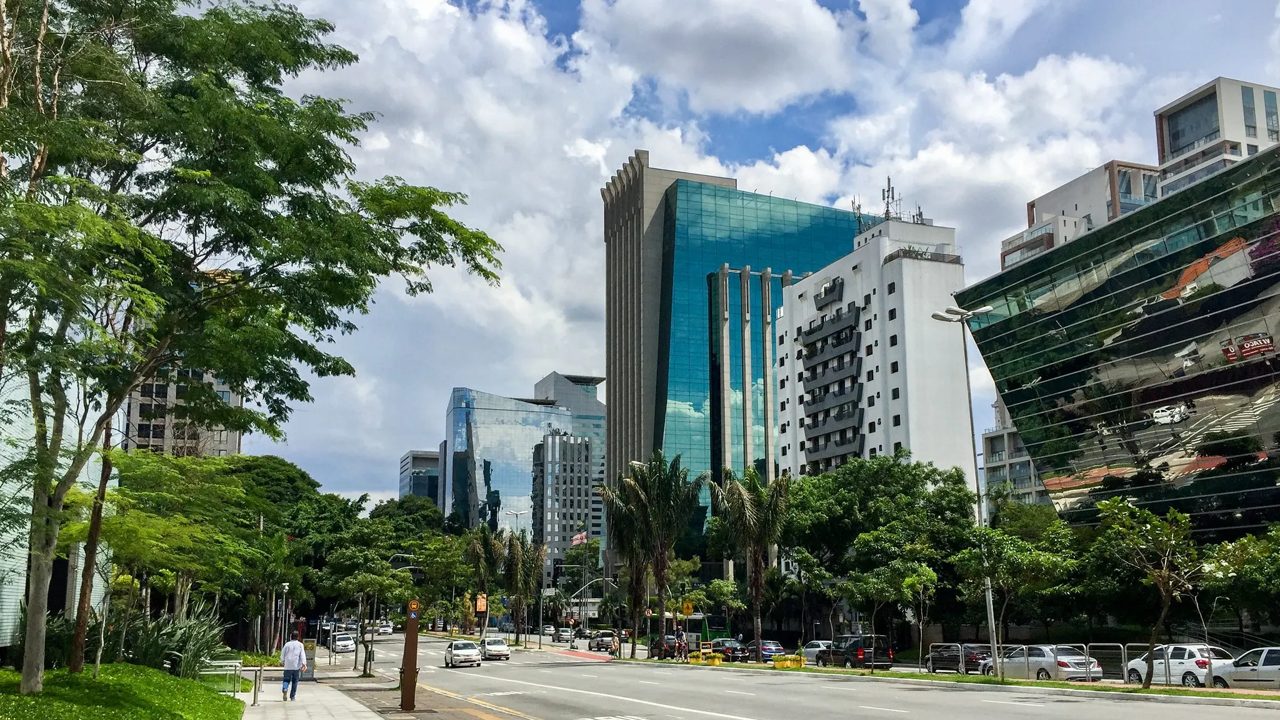
Brazilian asking rents jumped 5.24% in the first half of 2026 as a supply shortage trapped tenants, though average buy-to-let yields still trail government bonds.
Asking rents in Brazil rose 5.24% in the first half of 2026, according to the FipeZAP index, comfortably outstripping the 3.36% official consumer inflation rate. The gap highlights a persistent housing squeeze across the country's major urban centres, with new lease prices climbing roughly one and a half times faster than broader consumer prices.
The primary catalyst is a structural shortage of rental homes, compounded by expensive mortgages that prevent tenants from transitioning into buyers. The pricing pressure is broadly based, with 21 of 22 state capitals posting higher rents over the half. Aracaju led with a 16.82% jump, followed by Manaus at 11.14%, Campo Grande at 10.77% and Fortaleza at 9.45%, while Rio de Janeiro rose 8.27%.
São Luís was the sole exception, slipping 1.21%. Northern and northeastern cities dominated the leaderboard, a pattern analysts tie to migration and local infrastructure projects tightening an already scarce housing supply.
Investor returns fail to keep pace
For institutional and private investors, the rapid rent growth has not translated into attractive total returns. The average national yield stands at just 6.13%, trailing the returns available on safer government bonds. This dynamic makes the residential buy-to-let market a difficult proposition despite upward price momentum.
Even in Recife, which offers the highest yield at 8.56% annually, investors must weigh those returns against the illiquidity and maintenance costs that fixed-income assets avoid. The wholesale IGP-M gauge used for existing lease adjustments climbed just 3.27% over the period, further squeezing landlord margins on older contracts.
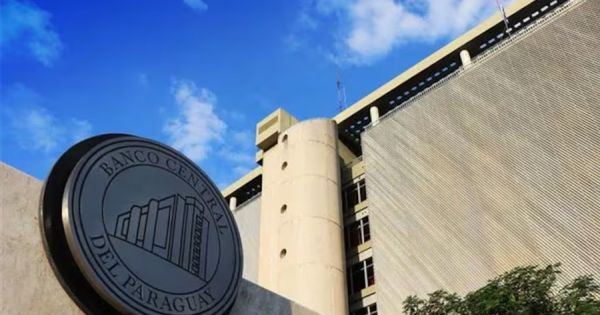
Relief through monetary policy is likely delayed. The central bank has started cutting its benchmark Selic rate, a move that should eventually lower mortgage costs and draw buyers out of the rental market. However, the pass-through to actual home-loan rates takes time. Until that transmission occurs, landlords retain the upper hand in a market with a thin pool of available properties.
The divergence is particularly stark when comparing price levels to growth rates. São Paulo remains the most expensive market at roughly 65 reais per square metre, yet it recorded a relatively mild 3.65% increase over the half. Rio de Janeiro sits close behind near 60 reais per square metre. Over a twelve-month horizon to June, the spread is even wider, with rents rising about 9% compared to a 4.64% inflation rate.