Inpel bets on Colombia EV charging amid 235% sales jump
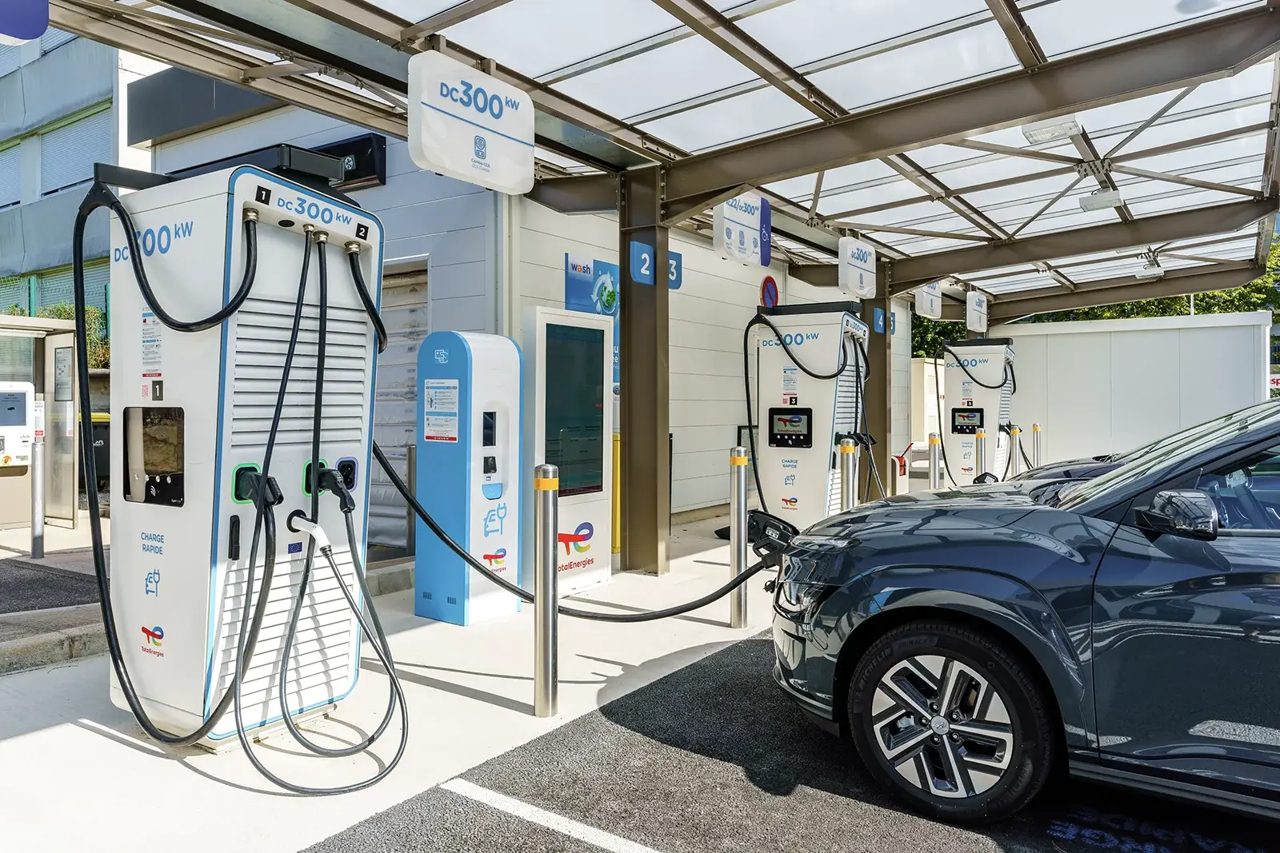
Colombian electromobility company Inpel plans to build 400 public EV charging stations over two years to close a crippling infrastructure gap as the country's pure-electric car sales surge 235%.
Inpel plans to install approximately 400 public electric-vehicle charging points across Colombia over the next two years. The rollout targets a severe infrastructure shortfall that has failed to keep pace with rapid growth in the country's electrified vehicle fleet.
Colombia registered 69,082 electrified vehicles in the first half of 2026, according to industry groups ANDI and Fenalco. Pure-electric cars accounted for 24,477 of that total, a 235% year-over-year jump that positions Colombia as one of the largest EV markets in Latin America, well ahead of neighbors like Peru.
The rapid adoption of vehicles has created a classic chicken-and-egg problem for the sector. Without visible public charging networks, prospective buyers hesitate to make the switch to pure-electric models outside major urban centers.
To solve this, Inpel is deploying a co-investment model rather than shouldering the full capital expenditure alone. The company shares the installation costs with land and premises owners. General Manager María Juliana Arango said this approach is designed to accelerate build-outs: "The market grows fastest when many players expand together."
The initiative marks a strategic pivot for the 30-year-old firm. It transitions Inpel from a hardware supplier to a national network operator, a shift that bets on owning long-term infrastructure revenue rather than simply selling equipment.
Inpel already manages a proprietary platform recording more than 1,300 charging sessions monthly. Over the past year, the company installed over 90 public fast and semi-fast points alongside 800 home and public chargers, handling the entire process from design to operation.
The financial mathematics of the current build-out are heavily supported by state tax incentives. Companies investing in charging infrastructure can deduct half of their outlay from income tax, while the equipment itself carries zero sales tax. However, both of these incentives are scheduled to expire at the end of 2027, creating a narrow window for capital deployment.
Inpel intends to push its 400-station footprint beyond the saturated markets of Bogotá, Medellín and Cali. The company will target mid-sized cities like Neiva and surrounding coffee-growing regions that have been historically overlooked. This decentralized approach aligns with a broader government mandate to deploy more than 6,000 public charge points nationwide, a target the industry remains far from meeting.