Record defaults blunt Argentina's bank credit revival

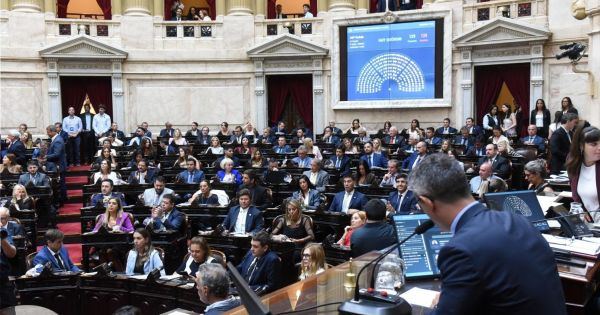
Argentina’s drive to use bank lending to spread its export-led recovery to households is colliding with record consumer defaults and Wall Street pressure to cut interest rates.
Argentina’s government is pushing to ignite a fresh wave of bank lending to extend its economic recovery beyond energy, mining and farming to ordinary households. The strategy is facing heavy market scepticism as record consumer defaults and rigid monetary policy constrain credit expansion.
The administration wants to replicate a consumer-lending boom that ran through much of 2025 before stalling following a mishandled short-term debt unwind and pre-election jitters. Deputy Economy Minister José Luis Daza said officials are exploring "many alternatives" to restart that growth. State-owned Banco Nación is already advancing its own financing initiatives.
There are tangible foundations for the plan. Since President Javier Milei took office, private-sector credit has risen from roughly 5% of the economy to about 16% as banks rotated out of government bonds. Yet surging bad debt threatens to halt that momentum. Consultancy 1816 reported household loan delinquency hit a record 12.7% in May, leaving roughly 5.8 million people behind on payments.
Lending rates remain a major barrier. Personal loans and credit cards, which account for about half of all peso lending, carry annual interest rates between 65% and 85%. That is more than double the sub-30% inflation rate now forecast. Banks have responded to the mounting arrears by tightening lending standards. Overall private-sector delinquency is estimated to have peaked near 8% in June, up from 7.2% in May, with bank projections expecting a slow decline to 6.3% to 6.5% by December.
The damage may be long-lasting. Nearly 40% of those missing payments are under 35, meaning a large cohort is acquiring poor credit histories just as their financial lives begin. Former central bank director Jorge Carrera noted that the strain stems primarily from falling activity and incomes rather than interest rates alone, a dynamic that risks locking young consumers out of future borrowing.
Underpinning the credit crunch is a broader policy clash. Wall Street banks have urged the government to loosen monetary policy ahead of elections to stimulate activity. Milei has refused, choosing to safeguard his hard-won drop in inflation rather than risk a faster but potentially fragile growth patch that a credit expansion alone cannot deliver.