Peak Energy builds US sodium-ion plant to cut grid storage costs
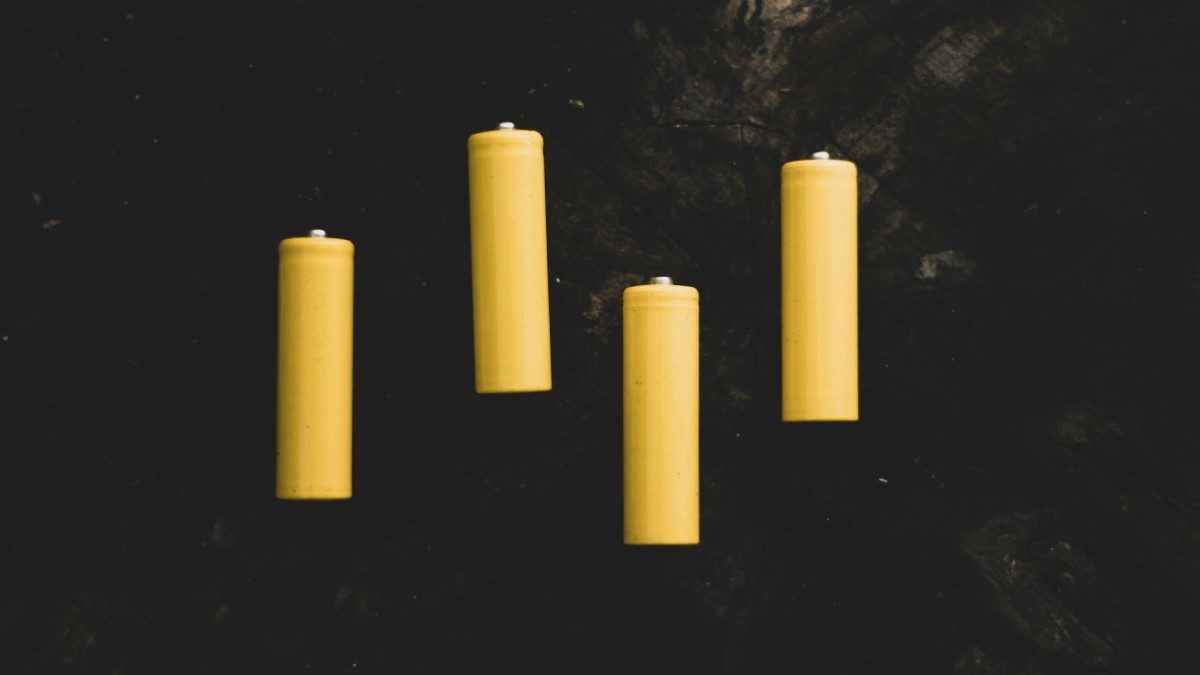
Peak Energy is constructing the first U.S. plant dedicated to sodium-ion grid storage, a move that could lower utility costs and erode China's dominance in critical battery supply chains.
Peak Energy is constructing an 183,000-square-foot manufacturing facility in Sacramento, California, to produce grid-scale sodium-ion battery systems. The plant will have an annual capacity of 4 gigawatt-hours, enough to supply nearly four million households, with production and initial shipments scheduled for the first quarter of 2027.
The facility will be the first in the country dedicated solely to utility-scale sodium-ion storage for peak demand management. According to the developer, these systems eliminate mechanical cooling components like fans and liquid pumps to reduce long-term operating expenses. “Peak’s passively cooled sodium-ion battery energy storage systems, which reduce the cost of energy storage by 20% and have a 99% guaranteed uptime, are expected to enter production and begin shipments in Q1 2027,” the firm stated.
For financial markets, the plant represents a strategic pivot away from lithium-ion technologies, a sector where supply chains are overwhelmingly controlled by China. Sodium-ion offers a way to diversify raw material sourcing and mitigate the price volatility that has recently plagued lithium spot markets. Because the technology is relatively new to both American and Chinese manufacturers, it presents a rare opportunity for the U.S. to close a competitive gap in the clean energy sector.
The timing aligns with surging electricity demand driven by the expansion of artificial intelligence infrastructure. U.S. data center power consumption is projected to double between 2025 and 2027, reaching 66 gigawatts. This explosive growth is straining an ageing power grid and accelerating the need for backup power to support variable renewable sources like wind and solar.
Chinese battery giant CATL is already moving into this space with its TENER sodium-ion system, with domestic deliveries starting in September and global shipments planned for 2027. “While energy storage becomes the critical infrastructure in our modern society, the stable and sufficient supply of raw materials plays an important role in this industry,” said William Wu, director of CATL’s energy storage system technical centre. “CATL is committed to promoting energy independence for all countries and regions.”
The race to supply this market is reshaping corporate investment strategies. General Motors recently pivoted its own battery manufacturing focus toward grid-scale storage rather than electric vehicles. “The market for grid-scale batteries and backup power isn’t just expanding, it’s becoming essential infrastructure,” said Kurt Kelty, GM’s vice president of batteries, propulsion, and sustainability. “Electricity demand is climbing, and it’s only going to accelerate. To meet that challenge, the U.S. needs energy storage solutions that can be deployed quickly, economically, and made right here at home.”