UK Clears Three Major Pumped Hydro Projects After 40-Year Gap
Britain's energy regulator has provisionally approved the first major pumped hydropower projects since the 1980s, unlocking private investment to back up intermittent renewables and reduce reliance on imported fossil fuels and Chinese batteries.
The UK energy regulator has granted provisional approval for three large-scale pumped hydropower storage projects in Northern Scotland, marking the first major approvals of their kind in over four decades.
The schemes include Statera Energy’s Loch Kemp project using Loch Ness, SSE’s Coire Glas facility at Loch Lochy, and Gilkes Energy’s Earba project, which will draw from Loch Leamhain and Loch Earba. Earba is expected to become the UK’s largest pumped storage hydro facility upon completion in the early 2030s.
These developments represent a significant shift in the UK's energy infrastructure strategy. Hydropower currently accounts for just 2% of UK electricity generation, spread across roughly 1,700 schemes with a combined installed capacity of around 2 GW. The new projects will capitalize on an October 2024 government policy designed to attract private capital into Long Duration Energy Storage (LDES).
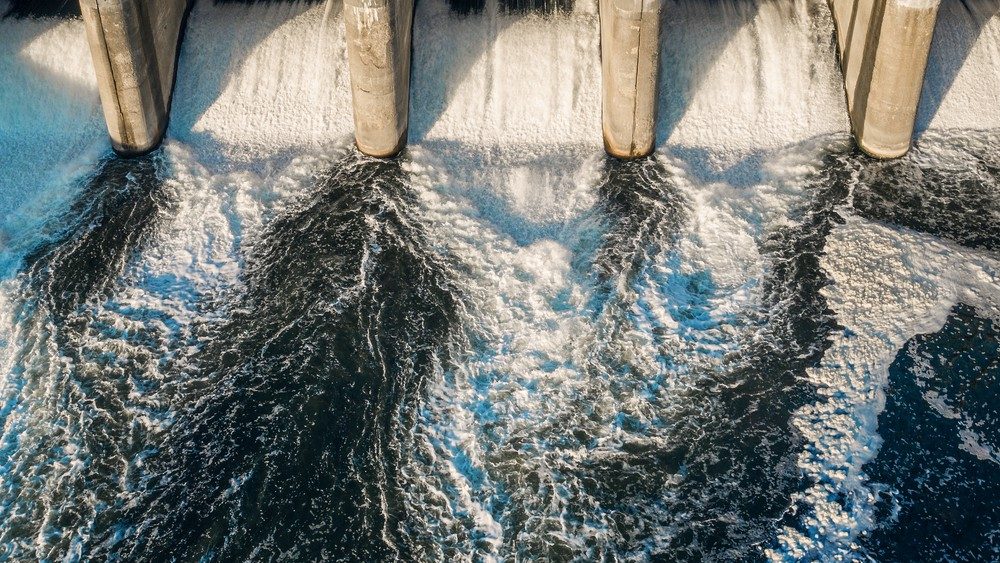
For investors and grid operators, pumped storage functions as a massive, highly responsive battery. Water is pumped to an upper reservoir during periods of low electricity demand and released through turbines to generate power when prices peak. The last major facility built to this model, the Dinorwig plant completed in 1984, can power nearly 2 million homes in a matter of seconds, demonstrating the technology's value in balancing intermittent supply.
The UK currently relies on just four pumped storage schemes, all built with public funding between the 1960s and 1980s to store overnight nuclear generation. That capacity is now set to expand dramatically. As of 2025, 11 pumped storage projects are under development nationally, targeting more than 10 GW of storage capacity and 200 GWh. This would cover roughly 25% of the country's power demand.
An Imperial College London study highlights the direct economic benefits of this buildout, projecting that 4.5 GW of new pumped storage with 90 GWh of capacity could save the energy system up to £690 million annually by 2050. As the UK has invested heavily in wind and solar, pumped hydro is needed to manage the resulting grid volatility.
The infrastructure push also carries geopolitical weight. Pumped storage offers a scalable alternative to lithium-ion batteries, reducing the UK's reliance on imported raw materials and battery components from China.
Energy Minister Michael Shanks linked the projects directly to national security: “Forty years after the country’s last pumped storage facility, this government is getting Britain building again. The lesson from the conflict in Iran is clear: Britain cannot afford to remain at the mercy of volatile fossil fuel markets and leave families exposed to the next price shock.”