Norwegian Crude Output Surges Past Forecasts as Hormuz Traffic Stalls
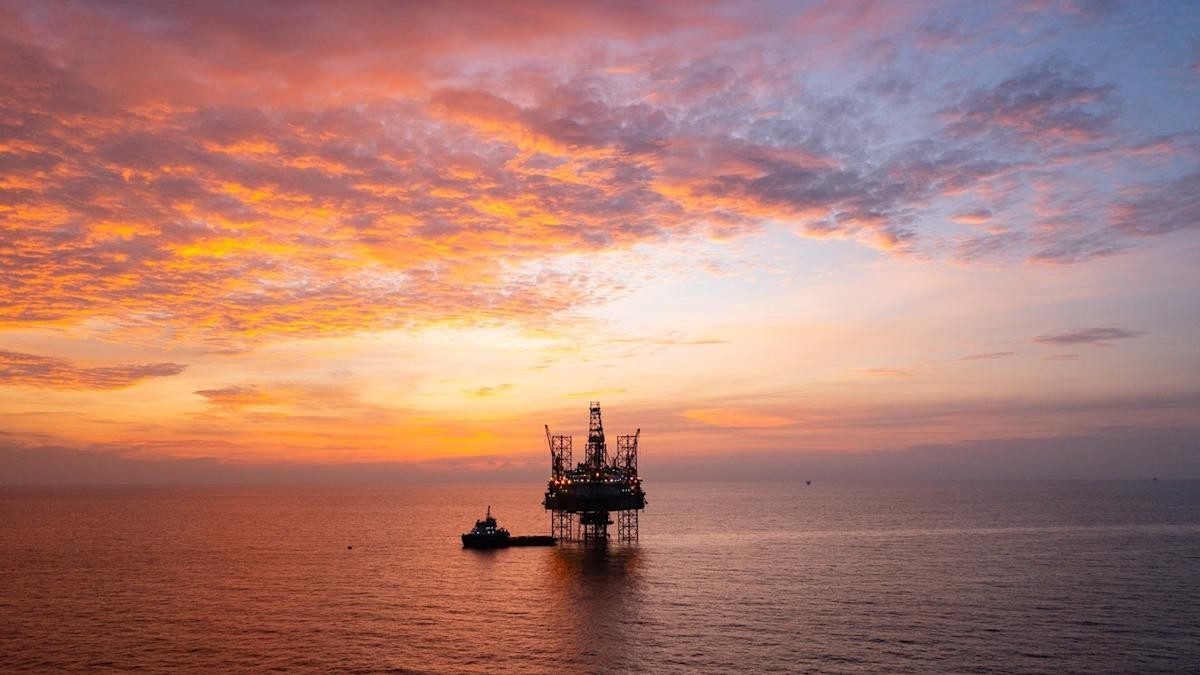
Norway's crude and natural gas production exceeded expectations in June, offering European markets a vital supply buffer as Middle Eastern exports remain crippled by Strait of Hormuz disruptions.
Norwegian offshore fields returned from seasonal maintenance faster than expected, pushing crude output well above official forecasts in June. The Norwegian Offshore Directorate reported preliminary figures on Tuesday showing a sharp year-on-year increase. This supply rebound arrives precisely when global markets are grappling with severe logistical bottlenecks in the Persian Gulf.
Crude production averaged 1.827 million barrels per day last month, up from 1.677 million bpd in June 2023. When natural gas liquids and condensate are included, total liquids output reached 2.022 million bpd, a jump of roughly 113,000 bpd from May. Natural gas sales climbed to 10.0 billion standard cubic meters, up from 9.4 billion the previous month, driven by high operational uptime at major assets like Johan Sverdrup, Troll, and Johan Castberg.
The additional European barrels stand in stark contrast to the ongoing crisis in the Middle East. Vessel-tracking data from Kpler shows tanker traffic through the Strait of Hormuz remains near the depressed levels seen at the peak of the recent conflict. On a recent day, only a handful of commodity vessels made the crossing, with no very large crude carriers or LNG tankers recorded. This prolonged chokepoint bottleneck effectively removes a significant portion of daily Gulf export capacity from the market.
Brent crude has pulled back to pre-crisis levels after spiking above $90, but a geopolitical risk premium persists due to tight commercial inventories across major consuming regions. For investors, these diverging supply signals complicate near-term positioning. OPEC+ is scheduled to increase production targets by 188,000 bpd in August, yet the alliance's ability to translate those higher quotas into actual exports is severely clouded by Gulf shipping disruptions.
This makes the Norwegian Continental Shelf an increasingly critical asset base for European energy security. While Norway accounts for just 2% of global crude production, its role as the continent's top gas supplier and a predictable non-OPEC crude producer gives it outsized importance for regional pricing and supply. The continued optimization of recent offshore projects offers a dependable counterweight to Middle Eastern volatility. As seasonal maintenance continues to cause month-to-month fluctuations, the current output surge provides institutional buyers with a rare source of supply certainty.