Indian Refiners Suspend Iraqi Oil Loadings Over Hormuz Risks
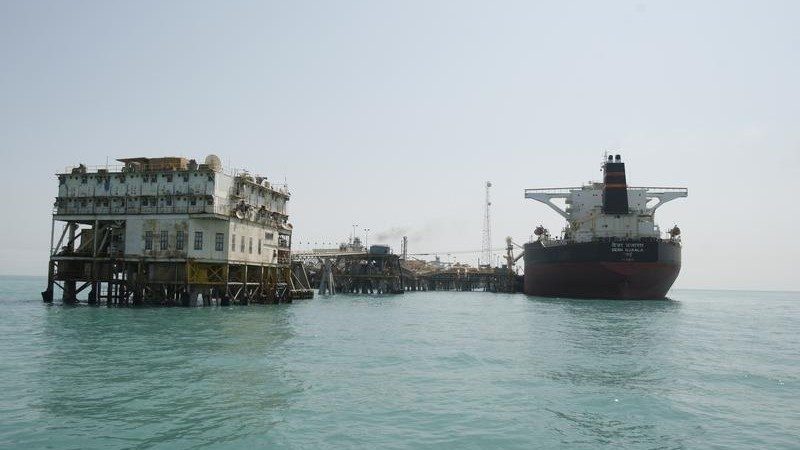
Indian Oil and Mangalore Refinery have halted Iraqi crude imports because mounting tanker attacks make the Strait of Hormuz too dangerous, pushing refiners toward Russian and non-Hormuz Middle Eastern supply.
Indian Oil Corp. and Mangalore Refinery & Petrochemicals have suspended crude loadings from Iraq, concluding that a string of attacks on commercial vessels has made the Strait of Hormuz too dangerous and expensive to navigate. Indian Oil specifically abandoned plans to load the 2-million-barrel VLCC Lila Jamnagar, determining that sending a fully laden supertanker through the chokepoint was no longer a justifiable risk. Mangalore Refinery has implemented a similar halt to its Iraqi liftings as regional security deteriorates.
The refiners' decisions highlight a growing crisis for global crude logistics. Brent crude has surged back above $90 a barrel, driven by a fresh tanker attack in the strait and a Houthi naval blockade targeting Saudi shipping in the Red Sea. For buyers, the fundamental question is shifting from oil availability to the physical feasibility of moving it.
India is acutely exposed to these disruptions because it imports more than 85% of its consumed oil. Before the Iran war, roughly half of those imports came from the Middle East, with Iraq acting as a cornerstone supplier. However, these are structured as long-term contracts that leave Indian refiners directly responsible for arranging the shipping. When tankers face incoming projectiles, that commercial equation collapses.
The threat level is underscored by direct action from New Delhi. India’s shipping ministry has explicitly instructed shipowners and recruitment agencies to stop deploying Indian seafarers on any vessels transiting Hormuz until further notice.
Consequently, Indian refiners are accelerating their pivot to safer alternatives. Russian crude is flowing into India at near-record levels of roughly 2.45 million barrels per day this month, according to data from Kpler. Supplies from the UAE and Saudi Arabia have also remained resilient because both countries can partially bypass the Strait of Hormuz by utilizing pipelines to Fujairah and Yanbu.
Iraq possesses no such pipeline infrastructure to circumvent the chokepoint. While India is not yet facing an immediate crude shortage, the refusal of major buyers to sail through Hormuz could effectively strand a significant portion of Middle Eastern supply. This creates a paradoxical market dynamic where physical barrels remain in the ground but become entirely inaccessible, tightening global supply without a single well shutting down.