UN: Iran war's fertilizer shock threatens 19m with hunger
Disruption to Persian Gulf energy infrastructure is driving up global fertilizer prices, shrinking food supply and threatening to push nearly 19 million people into chronic hunger by 2030.
A UN report published Tuesday warns that prolonged damage to Persian Gulf oil and gas infrastructure could leave 522 million people undernourished by the end of the decade. This represents a worst-case increase of 18.8 million people compared to pre-conflict projections.
The transmission mechanism from Middle Eastern conflict to global food insecurity runs directly through agricultural commodities. Because fertilizer production relies heavily on natural gas, supply shocks in the Gulf elevate input costs for farmers worldwide.
“Supply and demand would tell you that if there is less supply entering the market for food commodities, then we’re going to see higher food prices,” said Peter Alexander, a global food security lecturer at the University of Edinburgh. “It sort of doesn’t really matter where the shortfall occurs. The price gets transmitted everywhere.”
Faced with elevated fertilizer prices, farmers are expected to reduce application rates, shift to less input-intensive crops, or abandon certain plantings entirely. This behavioral shift effectively constrains global agricultural output.
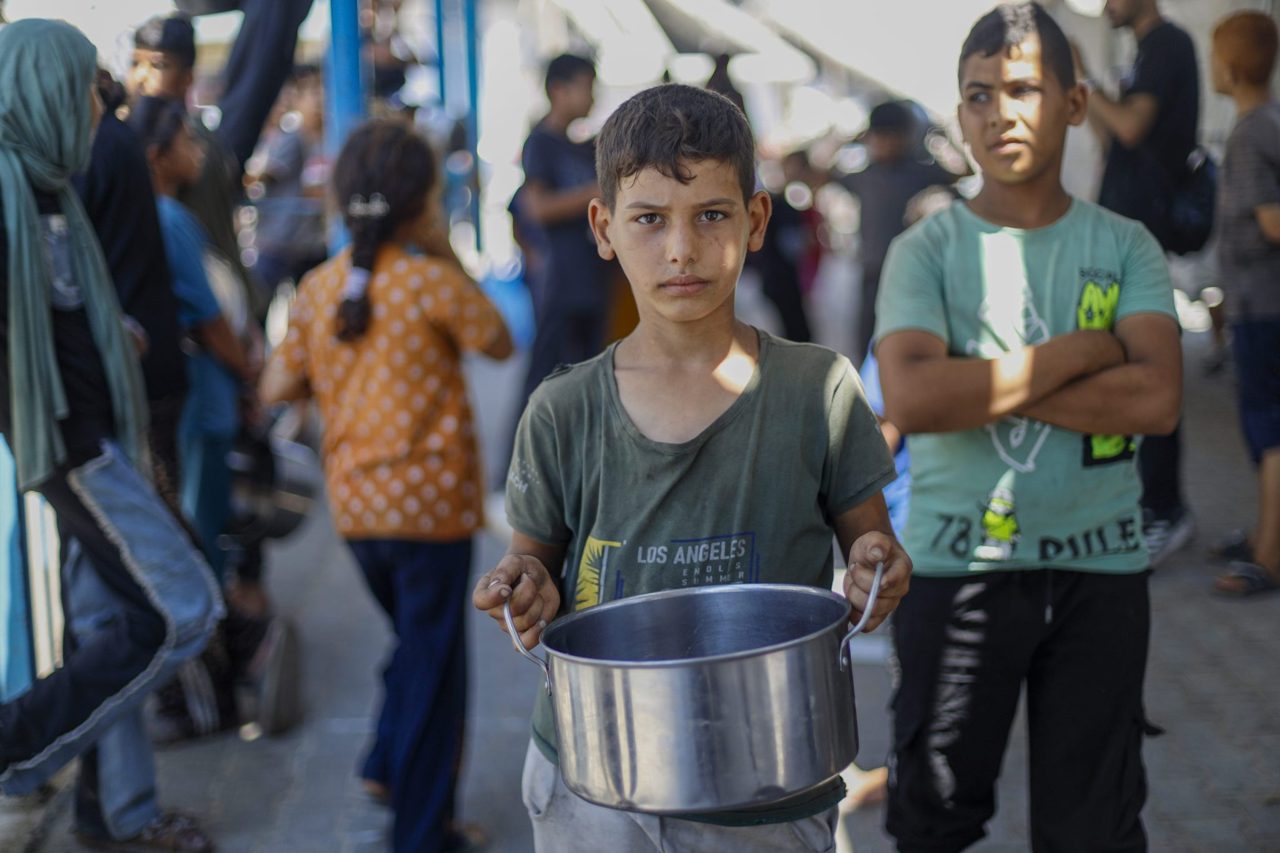
The resulting food inflation will disproportionately impact Asia and Africa, where consumers dedicate a larger share of income to inelastic food demand. The UN projects Asia will account for 10 million of the additional hungry, with Africa adding 8 million.
North America remains largely insulated from the nutritional impact, as wealthier consumers can absorb higher grocery prices without dietary changes. For global agricultural markets, however, the conflict signals sustained upward price pressure across food commodities.
These projections contrast with an otherwise improving global baseline, where hunger has fallen for three consecutive years to 7.8% of the population in 2025. According to FAO chief economist Máximo Torero Cullen, the Hormuz-related crisis “erodes a significant part of the progress that would otherwise have occurred” in reducing global hunger.
Across all modeled scenarios, the conflict is expected to add between 8 million and 19 million undernourished people by 2030. A separate March analysis by the World Food Programme previously estimated up to 45 million people could face acute food insecurity by mid-2026 if oil remains above $100 a barrel, though that metric captures a shorter-term crisis.