China Cuts Iranian Oil Imports by 40% as US Sanctions Bite
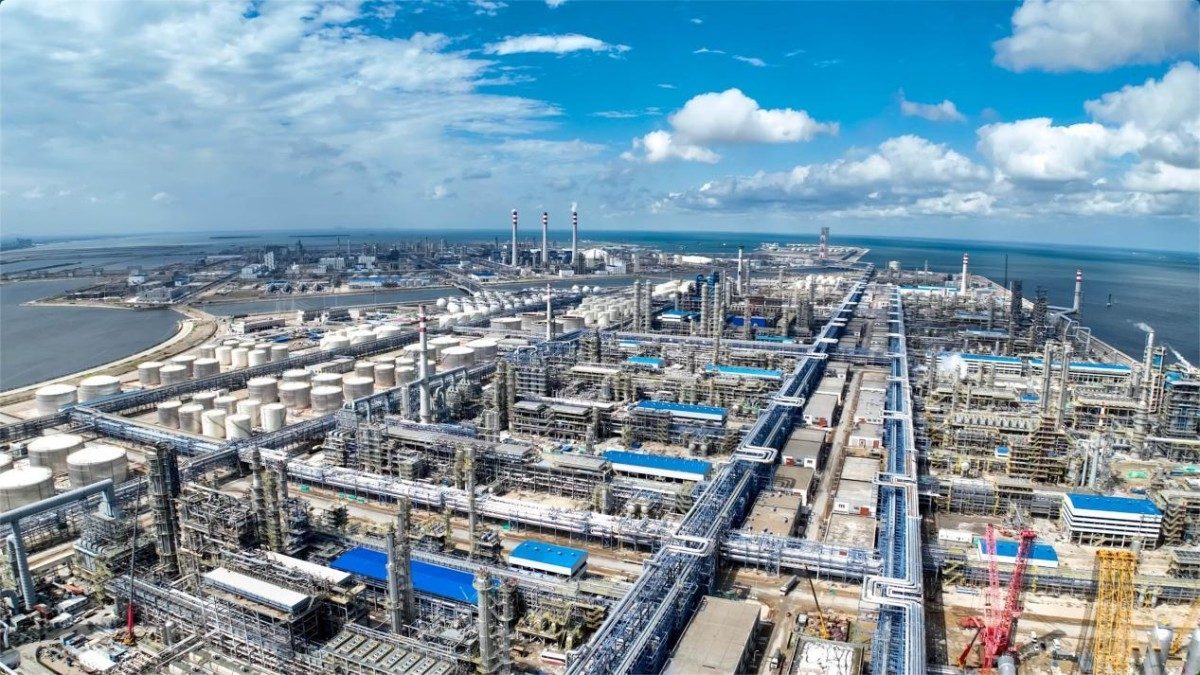
Chinese purchases of Iranian crude have dropped 40% over recent months due to expanded US sanctions, though broader inventory draws suggest Beijing's return to the market is only delayed, not cancelled.
Treasury Secretary Scott Bessent said Chinese purchases of Iranian crude have fallen by roughly 40% over the past several months. He attributed the decline directly to expanded American sanctions targeting China’s independent "teapot" refiners, which have historically served as the primary buyers of discounted Iranian barrels. "We've seen a substantial decrease in their purchases of Iranian oil," Bessent told Fox Business on Tuesday, noting the move is placing direct financial pressure on Tehran.
For market participants, US enforcement actions represent only a fraction of the demand destruction currently reshaping global oil flows. Since the Iran war erupted, Beijing has systematically slashed crude purchases from nearly all major suppliers. Faced with oil prices above $100 and navigating severe disruptions at the Strait of Hormuz, Chinese buyers opted to consume the massive stockpiles they accumulated prior to the conflict rather than chase expensive spot cargoes.
Official customs data illustrates the severity of this pivot. June crude imports plummeted to their lowest level since 2016. This dramatic demand withdrawal removed one of the largest pillars of global oil consumption precisely when more than 10 million barrels per day of Middle Eastern supply vanished from normal trade flows.
The resulting supply-demand calculus helped prevent oil prices from climbing even higher than their wartime peaks. Unsurprisingly, Iran absorbed the heaviest blow from this broad Chinese retreat, losing access to its largest remaining export destination.
Analysts are warning investors that this market relief is inherently temporary. The Chinese buying slowdown was always a function of inventory management rather than a structural collapse in demand. The International Energy Agency estimates Beijing pulled approximately 41 million barrels from storage in June alone. As these buffer stocks shrink, Chinese refiners will be forced to return to the international market to secure replacement barrels.
There are already early indicators of this rebound in the downstream sector. Beijing has started easing certain fuel export restrictions, with fuel oil exports climbing to their highest level of the year in June as shipping demand recovered. While broader exports of gasoline, diesel and jet fuel remain well below last year's pace due to lingering government controls, the accelerating draw on crude inventories signals that China's absence from the physical market will soon end.