Nigerian state inflation hits 42% despite easing national average
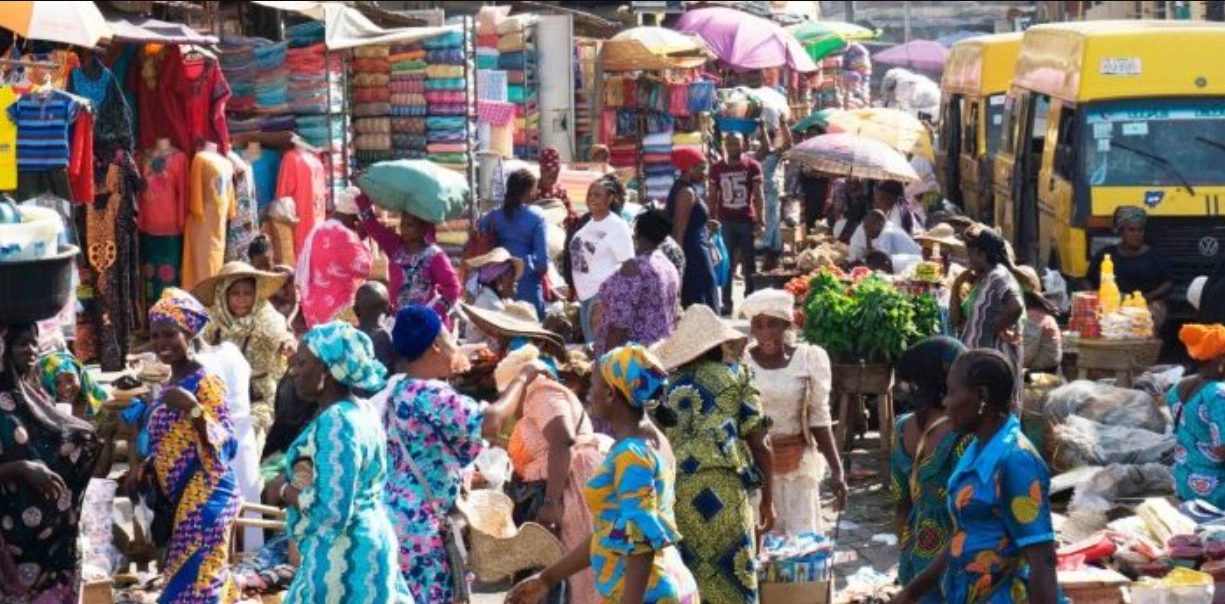
Nigeria's headline inflation eased marginally to 15.91% in June, but regional data reveals over half of all states are still battling annual price growth above 30%, complicating the outlook for investors and businesses reliant on national averages.
Nigeria’s headline inflation rate cooled marginally to 15.91% in June, down from 15.93% in May, according to the National Bureau of Statistics. However, this aggregate figure obscures a deeply fragmented pricing environment across Africa's largest economy. More than half of the country’s 37 subnational entities—19 states and the Federal Capital Territory—recorded annual inflation rates exceeding 30% in June.
This geographic disparity presents a significant challenge for corporations operating nationally, as regional cost pressures vary wildly. Niger state recorded the highest annual rate at 42.23%, followed by Kogi at 41.59% and the FCT at 39.91%. Commercial hub Lagos saw annual inflation of 32.28%. Strikingly, even Imo state, which posted the lowest annual rate in the country at 19.47%, remained more than three percentage points above the national average.
Food prices are a primary driver of this regional divergence, complicating consumer spending forecasts. Nationally, annual food inflation fell to 17.52% from 25.41% a year earlier. Yet month-on-month food inflation accelerated sharply to 3.75% in June, up from 2.98% in May, driven by rising prices for crayfish, tomatoes, yam, and beef. At the state level, Kogi saw annual food inflation hit 53.02%, while Katsina recorded just 19.15%.
Monthly data reveals extreme localized volatility that renders national averages unreliable for short-term operational planning. Niger recorded an 11.65% month-on-month surge in headline prices, while Bayelsa saw a 6.48% decline. The NBS cautioned that direct state-to-state comparisons are complicated by differing local consumption baskets and expenditure weights.
For fixed-income and equity investors, the underlying data suggests the disinflationary trend is fragile and unevenly distributed. S&P Global recently revised its 2026 average inflation forecast for Nigeria upward to 16.9%, from a previous projection of 15.0%. The agency cited stronger-than-expected pass-through from global oil prices to domestic energy costs, a structural challenge Nigeria currently shares with Turkiye as emerging market energy inflation accelerates.