Indian rupee gains on oil retreat, $20bn RBI inflows

The Indian rupee rebounded from a two-month low as cooling oil prices eased import pressures and central bank measures continued to draw billions in foreign capital.
The Indian rupee strengthened 0.2% to 96.25 against the dollar by midday on Tuesday. This recovery came after the currency slid past 96.50 in the previous session, marking its weakest level in over two months.
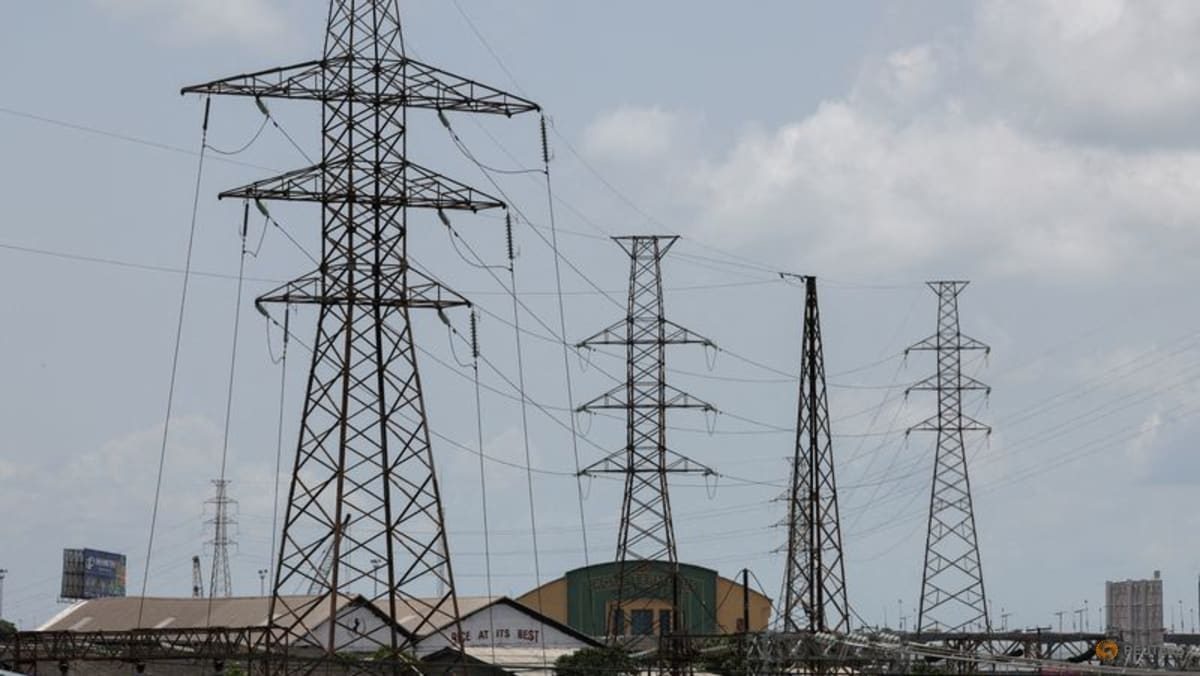
The immediate catalyst for the rebound was a retreat in crude oil prices. Brent futures dropped 1% to $88.30 a barrel, pulling back from a one-month peak of $91.42 hit on Monday. The decline followed emerging hopes for a resolution to the Middle East conflict, which escalated on February 28 following U.S.-Israeli attacks on Iran. For a net oil-importing nation like India, lower crude directly reduces the dollar outflow pressure that heavily influences the rupee's trajectory.
Beyond the immediate commodity price dynamic, the currency is drawing sustained structural support from capital inflows linked to recent Reserve Bank of India interventions. Policy measures announced last month to bolster the country's balance of payments have already attracted more than $20 billion in roughly four weeks. The vast majority of these funds arrived as foreign currency deposits from non-resident Indians, providing a critical buffer for the central bank.
Market participants are still assessing the long-term momentum of these flows. Radhika Rao, senior economist at DBS, noted in a report that the headline figure likely includes a mix of fresh deposits and the rollover of existing funds. This structural detail explains why Indian officials are actively pushing to expand the volume of genuinely new capital entering through this window. DBS currently projects the initiatives will eventually bring in a cumulative $45 billion to $50 billion.
On the trading floor, the impact of these combined forces was visible in the daily currency fix. Traders reported robust willingness to sell dollars at the daily reference rate, which was priced at a modest discount of 0.30 to 0.40 paisa. This indicates that dollar supply is comfortably matching demand at current levels.
The broader regional backdrop reinforced this stability. Other Asian currencies held steady to slightly higher, while regional equity markets edged up, assisted by the same decline in energy costs that drove the rupee's recovery. For international investors holding Indian assets, the combination of retreating oil prices and a steady pipeline of non-resident deposits reduces the risk of sudden currency depreciation, supporting the overall investment case.