Nasdaq futures gain 1.4% on chip rebound as Middle East tension spikes oil
Wall Street futures are rising as investors buy the dip in semiconductor stocks, though escalating US-Iran military strikes and a blockade of the Strait of Hormuz are pushing Brent crude above $90 and threatening global energy supplies.
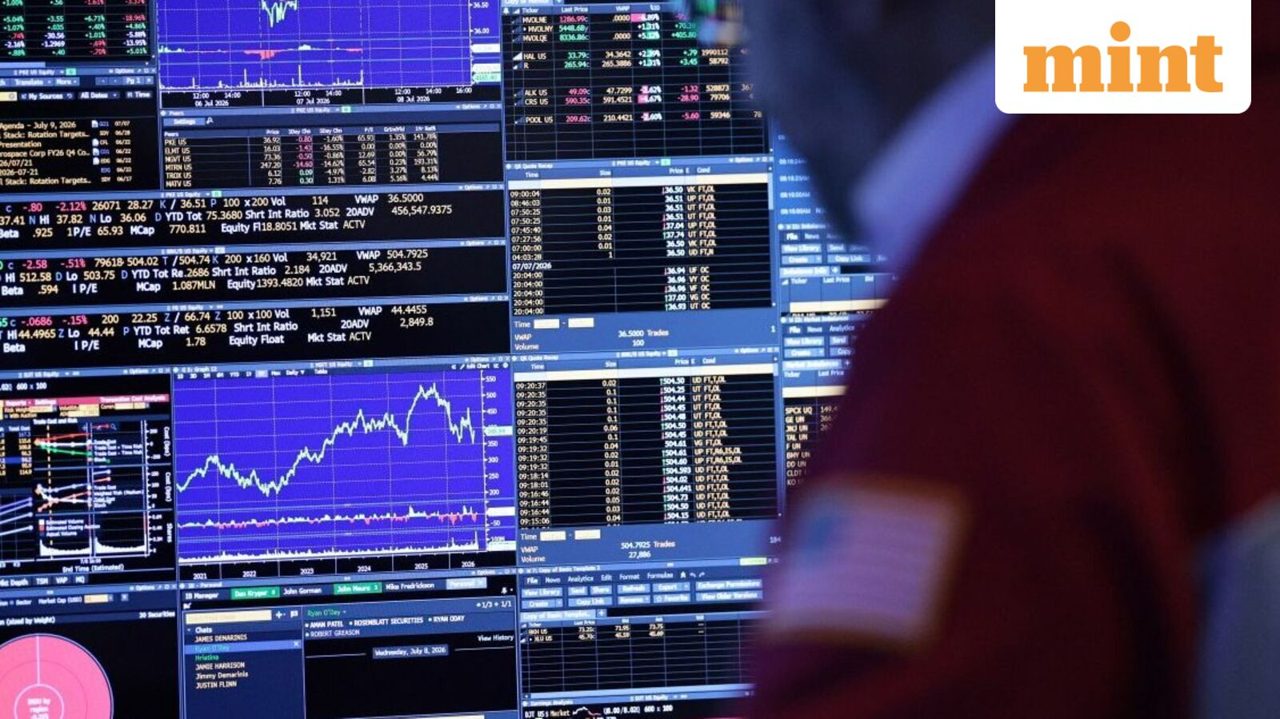
US stock futures rose sharply on Tuesday, 21 July, with Nasdaq-100 futures climbing 1.4% and S&P 500 futures adding 0.6%. The gains were led by a rebound in semiconductor stocks, which are recovering from their worst weekly decline in over a year. Investors used the lower valuations to buy back into the chip sector, the primary driver of Wall Street's rally this year.
The recovery comes despite lingering questions about the sustainability of massive AI spending by hyperscale technology companies. Valuations in the sector had become heavily stretched, triggering a sharp correction last week. The renewed buying indicates that market participants still see underlying long-term value in artificial intelligence infrastructure, even as short-term volatility increases.
However, this risk-on sentiment in equities is colliding with a significant and escalating geopolitical crisis in the Middle East. The conflict between the US and Iran entered its tenth consecutive day, with President Donald Trump vowing that Iran "will pay" for attacks that killed American soldiers. Iran has responded by intensifying missile and drone strikes on US military sites across neighbouring countries.
The military escalation has severely disrupted global energy markets and supply chains. Brent crude climbed above $90 a barrel on 20 July for the first time in over a month, while US WTI futures also hit a monthly high. These price spikes follow Iran's blockade of the Strait of Hormuz and reports that Iran-backed Houthi rebels plan to blockade Saudi Arabian ports, tightening crude and natural gas supplies to several Asian nations.
Beyond energy logistics, the conflict is creating direct operational risks for technology assets operating in the region. Reports indicate Iran specifically targeted US technology infrastructure, including an alleged attack on an Amazon data centre located in Bahrain. Tehran has also struck US air defence systems, radar installations, and administrative buildings in both Kuwait and Bahrain.
Diplomatic efforts have stalled, with Trump reimposing a naval blockade on 14 July after ceasefire negotiations collapsed. Against this backdrop of geopolitical uncertainty, investors are shifting attention to corporate earnings. Alphabet, IBM, and Tesla are set to report quarterly results this week, following better-than-expected earnings from 3M and General Motors on Monday that sent their shares up 7% and 2%, respectively.