South Africa joins global rate-hike cycle, raises repo to 7.25%
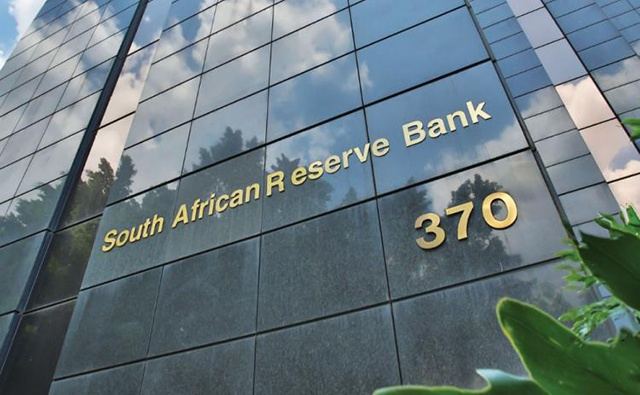
The South African Reserve Bank (SARB) raised its key policy rate by 25 basis points to 7.25 percent on Wednesday, read more South Africa joins global rate-hike cycle, raises repo to 7.25%
The South African Reserve Bank (SARB) raised its key policy rate by 25 basis points to 7.25 percent on Wednesday, its first increase since May, as policymakers responded to renewed inflation risks from higher fuel prices and a weaker global economic outlook.
The decision by the Monetary Policy Committee was unanimous and brought the policy rate to its highest level since May 2025. The increase was broadly expected by economists and follows renewed monetary tightening by several major central banks as geopolitical tensions and higher energy prices threaten to keep inflation elevated.
The SARB said the rate increase was necessary to steer inflation back towards its three percent target, after headline consumer inflation edged up to 4.4 percent in August from 4.3 percent in July.
The central bank targets inflation at three percent, with a tolerance band of one percentage point on either side.
The latest inflation reading came as oil prices rose amid the escalation of the Middle East conflict, increasing the risk that higher fuel costs will feed into broader consumer prices. Reuters reported that markets had been closely watching the inflation data and SARB decision for signals on the direction of monetary policy.
The SARB now expects headline inflation to rise above five percent later this year and in early 2027 before easing as the fuel-price shock fades. It projects inflation at 4.4 percent in 2026, up from its previous forecast of four percent, while its forecasts for 2027 and 2028 were raised to four percent and 3.2 percent respectively.
The central bank expects inflation to return to around three percent towards the end of 2027.
The higher inflation outlook comes with weaker growth expectations. The SARB cut its 2026 economic growth forecast to 1.2 percent from 1.4 percent, while leaving its 2027 and 2028 projections unchanged at 1.7 percent and 1.9 percent respectively.
The combination of higher inflation and weaker growth leaves the central bank facing a difficult policy trade-off, particularly as higher interest rates could further constrain household consumption and business investment.
The September increase represents a significant shift from the SARB’s July meeting, when the MPC kept the policy rate unchanged at seven percent.
At that meeting, four of the six MPC members favoured maintaining the rate, while two supported a 25-basis-point increase. The central bank also warned of upside risks to inflation and said inflation expectations had risen.
The July decision had suggested that the policy rate could remain broadly stable through the rest of the year, although the SARB stressed that the outlook was uncertain.
The subsequent increase reflects the deterioration in the inflation outlook, particularly following the rise in energy prices.
At its May meeting, the SARB had raised the policy rate by 25 basis points to 7 percent, marking its first rate increase since the previous tightening cycle. At the time, the central bank warned that the Middle East conflict and higher energy prices could generate another global inflation shock.
Investment banks had increasingly moved towards a September hike as inflation and energy-price risks intensified.
Bank of America had forecast a 25-basis-point increase in September and expected another hike in November, which would take the policy rate to 7.5 percent.
Morgan Stanley also changed its forecast from a hold to a 25-basis-point increase, arguing that the move would provide “insurance” against supply shocks delaying the return of inflation to the SARB’s three percent target.
Morgan Stanley expects the policy rate to remain at 7.25 percent through 2027.
Bank of America, which had previously expected only one increase, subsequently forecast two hikes this year. It expects South African headline inflation to average 5 percent in the fourth quarter and reach 5.3 percent in the first quarter of 2027.
The bank also expects the SARB’s easing cycle to be delayed until the second half of 2027.
South Africa’s decision comes amid a broader shift in global monetary policy as central banks respond to renewed inflation pressures.
The Federal Reserve recently raised its policy rate by 25 basis points to a range of 3.75-4 percent last week, with US policymakers citing persistent inflation risks. Japan’s central bank followed with a 25-basis-point increase on Friday, taking its benchmark interest rate to 1.25 percent in a 7-2 vote.
The European Central Bank had already moved to tighten policy on September 10, raising its three key interest rates by 25 basis points.
“These unanimous decisions to hike to 25bp might be the new fashion..first the Fed, now South Africa,” said Charlie Robertson, global chief economist at Renaissance Capital said on social media X.
For South Africa, however, the policy challenge is compounded by weak domestic growth.
The SARB’s latest decision means borrowing costs will remain significantly higher even as the economy struggles to generate stronger expansion.
The central bank’s focus remains on preventing the recent energy-price shock from becoming entrenched in inflation expectations while ensuring that inflation returns towards its three percent target.
The September hike therefore, marks another turn in South Africa’s monetary policy cycle, with the trajectory of oil prices, inflation expectations and domestic growth likely to determine whether the SARB tightens further or keeps rates at elevated levels in the months ahead.