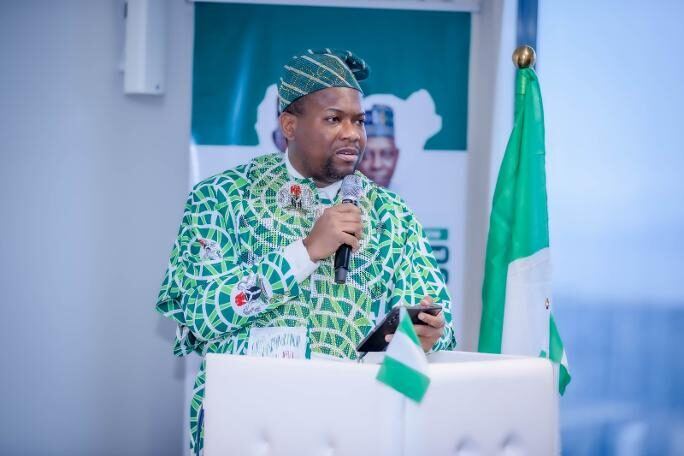
Why health should be seen as economic problem as well as medical one, Atima

Michael Efetobore Atima studied Business Administration (with specialisation in actuarial science) but moved from actuarial science to health advocacy at
Michael Efetobore Atima studied Business Administration (with specialisation in actuarial science) but moved from actuarial science to health advocacy at Nigeria Health Watch. With a master’s degree in Global Health Delivery from a Rwandan university, he supports United States foreign-assistance programming in Abuja. He works in sectors where public health meets public money. In this interview with REMI FEYISIPO , he spoke about accountability in development spending, health systems, health financing, health research, and the case for evidence in policy. Excerpts: You trained in Business Administration, with specialisation in actuarial science. How did you end up in global health? Actuarial science teaches you to price risk, and health is the biggest risk most Nigerian households carry. When a family is hit by illness with no insurance, that one event can wipe out years of savings. I began to see health as an economic problem as much as a medical one. That thinking led me to Nigeria Health Watch in 2017. There, I spent more than six years turning health data into messages that policymakers and ordinary citizens could act on. At Nigeria Health Watch, you wrote on ‘sin’ taxes as a way to fund health. Is that argument still valid? It is more valid today than when I wrote it. Taxes on tobacco, alcohol, and sugary drinks do two things at once. They cut consumption of products that drive non-communicable diseases and raise revenue. The mistake Nigeria keeps making is that the revenue enters the general pool and disappears. If you tax a product because it harms health, a clear share of that money should be ring-fenced for primary healthcare. Otherwise, citizens see it as just another levy, and the policy loses public support. You also wrote about maternal deaths, including the RICOM3 project. What did that work teach you? It taught me that many maternal deaths are not caused by complications we cannot manage. Women die from indirect causes: hypertension, anaemia, and other conditions that could have been detected and managed before or during pregnancy. The RICOM3 collaboration focused on exactly that. I also documented how a non-governmental organisation (NGO) in Ebonyi State was changing outcomes for new mothers through community-level follow-up. The lesson is that you do not always need a new hospital. Sometimes you need a working referral system and someone who checks on the woman after she goes home. You studied at the University of Global Health Equity in Rwanda. What can Nigeria borrow from Rwanda? Rwanda treats data as a management tool, not a reporting ritual. Community health workers, facilities, and district teams all know their numbers, and leaders are held to them. During my time there, I also worked with Partners In Health (PIH) as a technical consultant. I co-led an assessment of how a PIH-supported cooperative affected vulnerable households. We designed the survey tools, conducted the interviews, and analysed the results. Doing that work up close convinced me that you cannot improve what you do not measure honestly. That brings us to your current role. Why does programme evaluation matter so much? Every naira or dollar spent on a programme is a promise to someone: to the taxpayer who funded it and to the community it was meant to serve. Evaluation is the critical tool to ensure that promise is actually kept, guaranteeing that programs rigorously meet their intended purpose, comply with agreed standards, and deliver genuine results. Planning evaluations means coordinating many stakeholders and timelines while handling a great deal of information to ensure everything is performed as designed. I was privileged to be part of the team that has delivered a couple of programme evaluations even in my current role, successfully translating effort into meaningful, purpose-driven impact. Many Nigerian institutions see evaluation as fault-finding. How do you change that mindset? You present it as learning, not punishment. A good evaluation tells you what to scale, what to fix and what to stop. In the private sector, nobody would keep funding a product line without looking at its performance. Public programmes deserve the same discipline. Donor funding for health and development is tightening worldwide. Nigerian governments, at federal and state levels, will increasingly have to fund these programmes themselves. So, they will need that same discipline to justify every allocation. Beyond programme work, you have co-authored peer-reviewed research. What areas do you focus on? My research sits at the intersection of health policy and health systems. With colleagues in the United States and Nigeria, I have co-authored work on behavioural health crisis response in multi-hospital networks, chronic disease management in underserved communities, continuity of care for patients with cardiometabolic conditions, and emergency response coordination across hospital units. I have also contributed to studies on AI-based compliance models for occupational health and social protection, and on regulatory compliance in pharmaceutical procurement. The common thread is building systems that work reliably, not just on paper. You also serve as an editor and peer reviewer for international journals. Why take on that work? Peer review is how a field protects the quality of its evidence. As a section editor, I manage calls for papers and the review process. That exposes me to how researchers in many countries are tackling problems similar to ours. It also keeps me honest in my own writing, because you cannot ask others to meet a standard you do not meet yourself. Artificial intelligence (AI) is now part of every conversation. Where does it fit in Nigerian healthcare? AI can help us spot patterns early. It can flag a patient at risk of missing follow-up, or a facility whose drug stock is running low. But AI built on poor data will only automate our mistakes faster. Before we talk about sophisticated models, we must fix basic record-keeping, interoperability between facilities, and data protection. Nigeria’s Data Protection Act gives us a foundation. What we need now is the discipline to apply it in health. What would you tell young Nigerians who want careers in global health? Learn a hard skill alongside your passion. Advocacy is powerful, but it becomes far more convincing when you can analyse data, design a survey or read a budget. My background in actuarial science and data analysis has opened more doors than I expected. Second, write. Publish your thinking, even in short commentaries. It forces clarity, and it builds a record of your ideas that others can engage with. What is next for you? I am completing an MBA because I believe the next phase of health reform in Africa will be won or lost on management: financing, procurement, performance systems. I want to keep working at that intersection, helping institutions spend better, measure honestly, and put evidence at the centre of decisions that affect millions of people. Related News Fintech firm targets African market in next growth phase Nigeria must replace discretion with rules to earn investor confidence The AI vendors: How anonymous networks and paid creators could shape 2027 campaign Share
You trained in Business Administration, with specialisation in actuarial science. How did you end up in global health? Actuarial science teaches you to price risk, and health is the biggest risk most Nigerian households carry. When a family is hit by illness with no insurance, that one event can wipe out years of savings. I began to see health as an economic problem as much as a medical one. That thinking led me to Nigeria Health Watch in 2017. There, I spent more than six years turning health data into messages that policymakers and ordinary citizens could act on. At Nigeria Health Watch, you wrote on ‘sin’ taxes as a way to fund health. Is that argument still valid? It is more valid today than when I wrote it. Taxes on tobacco, alcohol, and sugary drinks do two things at once. They cut consumption of products that drive non-communicable diseases and raise revenue. The mistake Nigeria keeps making is that the revenue enters the general pool and disappears. If you tax a product because it harms health, a clear share of that money should be ring-fenced for primary healthcare. Otherwise, citizens see it as just another levy, and the policy loses public support. You also wrote about maternal deaths, including the RICOM3 project. What did that work teach you? It taught me that many maternal deaths are not caused by complications we cannot manage. Women die from indirect causes: hypertension, anaemia, and other conditions that could have been detected and managed before or during pregnancy. The RICOM3 collaboration focused on exactly that. I also documented how a non-governmental organisation (NGO) in Ebonyi State was changing outcomes for new mothers through community-level follow-up. The lesson is that you do not always need a new hospital. Sometimes you need a working referral system and someone who checks on the woman after she goes home. You studied at the University of Global Health Equity in Rwanda. What can Nigeria borrow from Rwanda? Rwanda treats data as a management tool, not a reporting ritual. Community health workers, facilities, and district teams all know their numbers, and leaders are held to them. During my time there, I also worked with Partners In Health (PIH) as a technical consultant. I co-led an assessment of how a PIH-supported cooperative affected vulnerable households. We designed the survey tools, conducted the interviews, and analysed the results. Doing that work up close convinced me that you cannot improve what you do not measure honestly. That brings us to your current role. Why does programme evaluation matter so much? Every naira or dollar spent on a programme is a promise to someone: to the taxpayer who funded it and to the community it was meant to serve. Evaluation is the critical tool to ensure that promise is actually kept, guaranteeing that programs rigorously meet their intended purpose, comply with agreed standards, and deliver genuine results. Planning evaluations means coordinating many stakeholders and timelines while handling a great deal of information to ensure everything is performed as designed. I was privileged to be part of the team that has delivered a couple of programme evaluations even in my current role, successfully translating effort into meaningful, purpose-driven impact. Many Nigerian institutions see evaluation as fault-finding. How do you change that mindset? You present it as learning, not punishment. A good evaluation tells you what to scale, what to fix and what to stop. In the private sector, nobody would keep funding a product line without looking at its performance. Public programmes deserve the same discipline. Donor funding for health and development is tightening worldwide. Nigerian governments, at federal and state levels, will increasingly have to fund these programmes themselves. So, they will need that same discipline to justify every allocation. Beyond programme work, you have co-authored peer-reviewed research. What areas do you focus on? My research sits at the intersection of health policy and health systems. With colleagues in the United States and Nigeria, I have co-authored work on behavioural health crisis response in multi-hospital networks, chronic disease management in underserved communities, continuity of care for patients with cardiometabolic conditions, and emergency response coordination across hospital units. I have also contributed to studies on AI-based compliance models for occupational health and social protection, and on regulatory compliance in pharmaceutical procurement. The common thread is building systems that work reliably, not just on paper. You also serve as an editor and peer reviewer for international journals. Why take on that work? Peer review is how a field protects the quality of its evidence. As a section editor, I manage calls for papers and the review process. That exposes me to how researchers in many countries are tackling problems similar to ours. It also keeps me honest in my own writing, because you cannot ask others to meet a standard you do not meet yourself. Artificial intelligence (AI) is now part of every conversation. Where does it fit in Nigerian healthcare? AI can help us spot patterns early. It can flag a patient at risk of missing follow-up, or a facility whose drug stock is running low. But AI built on poor data will only automate our mistakes faster. Before we talk about sophisticated models, we must fix basic record-keeping, interoperability between facilities, and data protection. Nigeria’s Data Protection Act gives us a foundation. What we need now is the discipline to apply it in health. What would you tell young Nigerians who want careers in global health? Learn a hard skill alongside your passion. Advocacy is powerful, but it becomes far more convincing when you can analyse data, design a survey or read a budget. My background in actuarial science and data analysis has opened more doors than I expected. Second, write. Publish your thinking, even in short commentaries. It forces clarity, and it builds a record of your ideas that others can engage with. What is next for you? I am completing an MBA because I believe the next phase of health reform in Africa will be won or lost on management: financing, procurement, performance systems. I want to keep working at that intersection, helping institutions spend better, measure honestly, and put evidence at the centre of decisions that affect millions of people. Related News Fintech firm targets African market in next growth phase Nigeria must replace discretion with rules to earn investor confidence The AI vendors: How anonymous networks and paid creators could shape 2027 campaign Share
Actuarial science teaches you to price risk, and health is the biggest risk most Nigerian households carry. When a family is hit by illness with no insurance, that one event can wipe out years of savings. I began to see health as an economic problem as much as a medical one. That thinking led me to Nigeria Health Watch in 2017. There, I spent more than six years turning health data into messages that policymakers and ordinary citizens could act on. At Nigeria Health Watch, you wrote on ‘sin’ taxes as a way to fund health. Is that argument still valid? It is more valid today than when I wrote it. Taxes on tobacco, alcohol, and sugary drinks do two things at once. They cut consumption of products that drive non-communicable diseases and raise revenue. The mistake Nigeria keeps making is that the revenue enters the general pool and disappears. If you tax a product because it harms health, a clear share of that money should be ring-fenced for primary healthcare. Otherwise, citizens see it as just another levy, and the policy loses public support. You also wrote about maternal deaths, including the RICOM3 project. What did that work teach you? It taught me that many maternal deaths are not caused by complications we cannot manage. Women die from indirect causes: hypertension, anaemia, and other conditions that could have been detected and managed before or during pregnancy. The RICOM3 collaboration focused on exactly that. I also documented how a non-governmental organisation (NGO) in Ebonyi State was changing outcomes for new mothers through community-level follow-up. The lesson is that you do not always need a new hospital. Sometimes you need a working referral system and someone who checks on the woman after she goes home. You studied at the University of Global Health Equity in Rwanda. What can Nigeria borrow from Rwanda? Rwanda treats data as a management tool, not a reporting ritual. Community health workers, facilities, and district teams all know their numbers, and leaders are held to them. During my time there, I also worked with Partners In Health (PIH) as a technical consultant. I co-led an assessment of how a PIH-supported cooperative affected vulnerable households. We designed the survey tools, conducted the interviews, and analysed the results. Doing that work up close convinced me that you cannot improve what you do not measure honestly. That brings us to your current role. Why does programme evaluation matter so much? Every naira or dollar spent on a programme is a promise to someone: to the taxpayer who funded it and to the community it was meant to serve. Evaluation is the critical tool to ensure that promise is actually kept, guaranteeing that programs rigorously meet their intended purpose, comply with agreed standards, and deliver genuine results. Planning evaluations means coordinating many stakeholders and timelines while handling a great deal of information to ensure everything is performed as designed. I was privileged to be part of the team that has delivered a couple of programme evaluations even in my current role, successfully translating effort into meaningful, purpose-driven impact. Many Nigerian institutions see evaluation as fault-finding. How do you change that mindset? You present it as learning, not punishment. A good evaluation tells you what to scale, what to fix and what to stop. In the private sector, nobody would keep funding a product line without looking at its performance. Public programmes deserve the same discipline. Donor funding for health and development is tightening worldwide. Nigerian governments, at federal and state levels, will increasingly have to fund these programmes themselves. So, they will need that same discipline to justify every allocation. Beyond programme work, you have co-authored peer-reviewed research. What areas do you focus on? My research sits at the intersection of health policy and health systems. With colleagues in the United States and Nigeria, I have co-authored work on behavioural health crisis response in multi-hospital networks, chronic disease management in underserved communities, continuity of care for patients with cardiometabolic conditions, and emergency response coordination across hospital units. I have also contributed to studies on AI-based compliance models for occupational health and social protection, and on regulatory compliance in pharmaceutical procurement. The common thread is building systems that work reliably, not just on paper. You also serve as an editor and peer reviewer for international journals. Why take on that work? Peer review is how a field protects the quality of its evidence. As a section editor, I manage calls for papers and the review process. That exposes me to how researchers in many countries are tackling problems similar to ours. It also keeps me honest in my own writing, because you cannot ask others to meet a standard you do not meet yourself. Artificial intelligence (AI) is now part of every conversation. Where does it fit in Nigerian healthcare? AI can help us spot patterns early. It can flag a patient at risk of missing follow-up, or a facility whose drug stock is running low. But AI built on poor data will only automate our mistakes faster. Before we talk about sophisticated models, we must fix basic record-keeping, interoperability between facilities, and data protection. Nigeria’s Data Protection Act gives us a foundation. What we need now is the discipline to apply it in health. What would you tell young Nigerians who want careers in global health? Learn a hard skill alongside your passion. Advocacy is powerful, but it becomes far more convincing when you can analyse data, design a survey or read a budget. My background in actuarial science and data analysis has opened more doors than I expected. Second, write. Publish your thinking, even in short commentaries. It forces clarity, and it builds a record of your ideas that others can engage with. What is next for you? I am completing an MBA because I believe the next phase of health reform in Africa will be won or lost on management: financing, procurement, performance systems. I want to keep working at that intersection, helping institutions spend better, measure honestly, and put evidence at the centre of decisions that affect millions of people. Related News Fintech firm targets African market in next growth phase Nigeria must replace discretion with rules to earn investor confidence The AI vendors: How anonymous networks and paid creators could shape 2027 campaign Share
At Nigeria Health Watch, you wrote on ‘sin’ taxes as a way to fund health. Is that argument still valid? It is more valid today than when I wrote it. Taxes on tobacco, alcohol, and sugary drinks do two things at once. They cut consumption of products that drive non-communicable diseases and raise revenue. The mistake Nigeria keeps making is that the revenue enters the general pool and disappears. If you tax a product because it harms health, a clear share of that money should be ring-fenced for primary healthcare. Otherwise, citizens see it as just another levy, and the policy loses public support. You also wrote about maternal deaths, including the RICOM3 project. What did that work teach you? It taught me that many maternal deaths are not caused by complications we cannot manage. Women die from indirect causes: hypertension, anaemia, and other conditions that could have been detected and managed before or during pregnancy. The RICOM3 collaboration focused on exactly that. I also documented how a non-governmental organisation (NGO) in Ebonyi State was changing outcomes for new mothers through community-level follow-up. The lesson is that you do not always need a new hospital. Sometimes you need a working referral system and someone who checks on the woman after she goes home. You studied at the University of Global Health Equity in Rwanda. What can Nigeria borrow from Rwanda? Rwanda treats data as a management tool, not a reporting ritual. Community health workers, facilities, and district teams all know their numbers, and leaders are held to them. During my time there, I also worked with Partners In Health (PIH) as a technical consultant. I co-led an assessment of how a PIH-supported cooperative affected vulnerable households. We designed the survey tools, conducted the interviews, and analysed the results. Doing that work up close convinced me that you cannot improve what you do not measure honestly. That brings us to your current role. Why does programme evaluation matter so much? Every naira or dollar spent on a programme is a promise to someone: to the taxpayer who funded it and to the community it was meant to serve. Evaluation is the critical tool to ensure that promise is actually kept, guaranteeing that programs rigorously meet their intended purpose, comply with agreed standards, and deliver genuine results. Planning evaluations means coordinating many stakeholders and timelines while handling a great deal of information to ensure everything is performed as designed. I was privileged to be part of the team that has delivered a couple of programme evaluations even in my current role, successfully translating effort into meaningful, purpose-driven impact. Many Nigerian institutions see evaluation as fault-finding. How do you change that mindset? You present it as learning, not punishment. A good evaluation tells you what to scale, what to fix and what to stop. In the private sector, nobody would keep funding a product line without looking at its performance. Public programmes deserve the same discipline. Donor funding for health and development is tightening worldwide. Nigerian governments, at federal and state levels, will increasingly have to fund these programmes themselves. So, they will need that same discipline to justify every allocation. Beyond programme work, you have co-authored peer-reviewed research. What areas do you focus on? My research sits at the intersection of health policy and health systems. With colleagues in the United States and Nigeria, I have co-authored work on behavioural health crisis response in multi-hospital networks, chronic disease management in underserved communities, continuity of care for patients with cardiometabolic conditions, and emergency response coordination across hospital units. I have also contributed to studies on AI-based compliance models for occupational health and social protection, and on regulatory compliance in pharmaceutical procurement. The common thread is building systems that work reliably, not just on paper. You also serve as an editor and peer reviewer for international journals. Why take on that work? Peer review is how a field protects the quality of its evidence. As a section editor, I manage calls for papers and the review process. That exposes me to how researchers in many countries are tackling problems similar to ours. It also keeps me honest in my own writing, because you cannot ask others to meet a standard you do not meet yourself. Artificial intelligence (AI) is now part of every conversation. Where does it fit in Nigerian healthcare? AI can help us spot patterns early. It can flag a patient at risk of missing follow-up, or a facility whose drug stock is running low. But AI built on poor data will only automate our mistakes faster. Before we talk about sophisticated models, we must fix basic record-keeping, interoperability between facilities, and data protection. Nigeria’s Data Protection Act gives us a foundation. What we need now is the discipline to apply it in health. What would you tell young Nigerians who want careers in global health? Learn a hard skill alongside your passion. Advocacy is powerful, but it becomes far more convincing when you can analyse data, design a survey or read a budget. My background in actuarial science and data analysis has opened more doors than I expected. Second, write. Publish your thinking, even in short commentaries. It forces clarity, and it builds a record of your ideas that others can engage with. What is next for you? I am completing an MBA because I believe the next phase of health reform in Africa will be won or lost on management: financing, procurement, performance systems. I want to keep working at that intersection, helping institutions spend better, measure honestly, and put evidence at the centre of decisions that affect millions of people. Related News Fintech firm targets African market in next growth phase Nigeria must replace discretion with rules to earn investor confidence The AI vendors: How anonymous networks and paid creators could shape 2027 campaign Share
It is more valid today than when I wrote it. Taxes on tobacco, alcohol, and sugary drinks do two things at once. They cut consumption of products that drive non-communicable diseases and raise revenue. The mistake Nigeria keeps making is that the revenue enters the general pool and disappears. If you tax a product because it harms health, a clear share of that money should be ring-fenced for primary healthcare. Otherwise, citizens see it as just another levy, and the policy loses public support. You also wrote about maternal deaths, including the RICOM3 project. What did that work teach you? It taught me that many maternal deaths are not caused by complications we cannot manage. Women die from indirect causes: hypertension, anaemia, and other conditions that could have been detected and managed before or during pregnancy. The RICOM3 collaboration focused on exactly that. I also documented how a non-governmental organisation (NGO) in Ebonyi State was changing outcomes for new mothers through community-level follow-up. The lesson is that you do not always need a new hospital. Sometimes you need a working referral system and someone who checks on the woman after she goes home. You studied at the University of Global Health Equity in Rwanda. What can Nigeria borrow from Rwanda? Rwanda treats data as a management tool, not a reporting ritual. Community health workers, facilities, and district teams all know their numbers, and leaders are held to them. During my time there, I also worked with Partners In Health (PIH) as a technical consultant. I co-led an assessment of how a PIH-supported cooperative affected vulnerable households. We designed the survey tools, conducted the interviews, and analysed the results. Doing that work up close convinced me that you cannot improve what you do not measure honestly. That brings us to your current role. Why does programme evaluation matter so much? Every naira or dollar spent on a programme is a promise to someone: to the taxpayer who funded it and to the community it was meant to serve. Evaluation is the critical tool to ensure that promise is actually kept, guaranteeing that programs rigorously meet their intended purpose, comply with agreed standards, and deliver genuine results. Planning evaluations means coordinating many stakeholders and timelines while handling a great deal of information to ensure everything is performed as designed. I was privileged to be part of the team that has delivered a couple of programme evaluations even in my current role, successfully translating effort into meaningful, purpose-driven impact. Many Nigerian institutions see evaluation as fault-finding. How do you change that mindset? You present it as learning, not punishment. A good evaluation tells you what to scale, what to fix and what to stop. In the private sector, nobody would keep funding a product line without looking at its performance. Public programmes deserve the same discipline. Donor funding for health and development is tightening worldwide. Nigerian governments, at federal and state levels, will increasingly have to fund these programmes themselves. So, they will need that same discipline to justify every allocation. Beyond programme work, you have co-authored peer-reviewed research. What areas do you focus on? My research sits at the intersection of health policy and health systems. With colleagues in the United States and Nigeria, I have co-authored work on behavioural health crisis response in multi-hospital networks, chronic disease management in underserved communities, continuity of care for patients with cardiometabolic conditions, and emergency response coordination across hospital units. I have also contributed to studies on AI-based compliance models for occupational health and social protection, and on regulatory compliance in pharmaceutical procurement. The common thread is building systems that work reliably, not just on paper. You also serve as an editor and peer reviewer for international journals. Why take on that work? Peer review is how a field protects the quality of its evidence. As a section editor, I manage calls for papers and the review process. That exposes me to how researchers in many countries are tackling problems similar to ours. It also keeps me honest in my own writing, because you cannot ask others to meet a standard you do not meet yourself. Artificial intelligence (AI) is now part of every conversation. Where does it fit in Nigerian healthcare? AI can help us spot patterns early. It can flag a patient at risk of missing follow-up, or a facility whose drug stock is running low. But AI built on poor data will only automate our mistakes faster. Before we talk about sophisticated models, we must fix basic record-keeping, interoperability between facilities, and data protection. Nigeria’s Data Protection Act gives us a foundation. What we need now is the discipline to apply it in health. What would you tell young Nigerians who want careers in global health? Learn a hard skill alongside your passion. Advocacy is powerful, but it becomes far more convincing when you can analyse data, design a survey or read a budget. My background in actuarial science and data analysis has opened more doors than I expected. Second, write. Publish your thinking, even in short commentaries. It forces clarity, and it builds a record of your ideas that others can engage with. What is next for you? I am completing an MBA because I believe the next phase of health reform in Africa will be won or lost on management: financing, procurement, performance systems. I want to keep working at that intersection, helping institutions spend better, measure honestly, and put evidence at the centre of decisions that affect millions of people. Related News Fintech firm targets African market in next growth phase Nigeria must replace discretion with rules to earn investor confidence The AI vendors: How anonymous networks and paid creators could shape 2027 campaign Share
You also wrote about maternal deaths, including the RICOM3 project. What did that work teach you? It taught me that many maternal deaths are not caused by complications we cannot manage. Women die from indirect causes: hypertension, anaemia, and other conditions that could have been detected and managed before or during pregnancy. The RICOM3 collaboration focused on exactly that. I also documented how a non-governmental organisation (NGO) in Ebonyi State was changing outcomes for new mothers through community-level follow-up. The lesson is that you do not always need a new hospital. Sometimes you need a working referral system and someone who checks on the woman after she goes home. You studied at the University of Global Health Equity in Rwanda. What can Nigeria borrow from Rwanda? Rwanda treats data as a management tool, not a reporting ritual. Community health workers, facilities, and district teams all know their numbers, and leaders are held to them. During my time there, I also worked with Partners In Health (PIH) as a technical consultant. I co-led an assessment of how a PIH-supported cooperative affected vulnerable households. We designed the survey tools, conducted the interviews, and analysed the results. Doing that work up close convinced me that you cannot improve what you do not measure honestly. That brings us to your current role. Why does programme evaluation matter so much? Every naira or dollar spent on a programme is a promise to someone: to the taxpayer who funded it and to the community it was meant to serve. Evaluation is the critical tool to ensure that promise is actually kept, guaranteeing that programs rigorously meet their intended purpose, comply with agreed standards, and deliver genuine results. Planning evaluations means coordinating many stakeholders and timelines while handling a great deal of information to ensure everything is performed as designed. I was privileged to be part of the team that has delivered a couple of programme evaluations even in my current role, successfully translating effort into meaningful, purpose-driven impact. Many Nigerian institutions see evaluation as fault-finding. How do you change that mindset? You present it as learning, not punishment. A good evaluation tells you what to scale, what to fix and what to stop. In the private sector, nobody would keep funding a product line without looking at its performance. Public programmes deserve the same discipline. Donor funding for health and development is tightening worldwide. Nigerian governments, at federal and state levels, will increasingly have to fund these programmes themselves. So, they will need that same discipline to justify every allocation. Beyond programme work, you have co-authored peer-reviewed research. What areas do you focus on? My research sits at the intersection of health policy and health systems. With colleagues in the United States and Nigeria, I have co-authored work on behavioural health crisis response in multi-hospital networks, chronic disease management in underserved communities, continuity of care for patients with cardiometabolic conditions, and emergency response coordination across hospital units. I have also contributed to studies on AI-based compliance models for occupational health and social protection, and on regulatory compliance in pharmaceutical procurement. The common thread is building systems that work reliably, not just on paper. You also serve as an editor and peer reviewer for international journals. Why take on that work? Peer review is how a field protects the quality of its evidence. As a section editor, I manage calls for papers and the review process. That exposes me to how researchers in many countries are tackling problems similar to ours. It also keeps me honest in my own writing, because you cannot ask others to meet a standard you do not meet yourself. Artificial intelligence (AI) is now part of every conversation. Where does it fit in Nigerian healthcare? AI can help us spot patterns early. It can flag a patient at risk of missing follow-up, or a facility whose drug stock is running low. But AI built on poor data will only automate our mistakes faster. Before we talk about sophisticated models, we must fix basic record-keeping, interoperability between facilities, and data protection. Nigeria’s Data Protection Act gives us a foundation. What we need now is the discipline to apply it in health. What would you tell young Nigerians who want careers in global health? Learn a hard skill alongside your passion. Advocacy is powerful, but it becomes far more convincing when you can analyse data, design a survey or read a budget. My background in actuarial science and data analysis has opened more doors than I expected. Second, write. Publish your thinking, even in short commentaries. It forces clarity, and it builds a record of your ideas that others can engage with. What is next for you? I am completing an MBA because I believe the next phase of health reform in Africa will be won or lost on management: financing, procurement, performance systems. I want to keep working at that intersection, helping institutions spend better, measure honestly, and put evidence at the centre of decisions that affect millions of people. Related News Fintech firm targets African market in next growth phase Nigeria must replace discretion with rules to earn investor confidence The AI vendors: How anonymous networks and paid creators could shape 2027 campaign Share
It taught me that many maternal deaths are not caused by complications we cannot manage. Women die from indirect causes: hypertension, anaemia, and other conditions that could have been detected and managed before or during pregnancy. The RICOM3 collaboration focused on exactly that. I also documented how a non-governmental organisation (NGO) in Ebonyi State was changing outcomes for new mothers through community-level follow-up. The lesson is that you do not always need a new hospital. Sometimes you need a working referral system and someone who checks on the woman after she goes home. You studied at the University of Global Health Equity in Rwanda. What can Nigeria borrow from Rwanda? Rwanda treats data as a management tool, not a reporting ritual. Community health workers, facilities, and district teams all know their numbers, and leaders are held to them. During my time there, I also worked with Partners In Health (PIH) as a technical consultant. I co-led an assessment of how a PIH-supported cooperative affected vulnerable households. We designed the survey tools, conducted the interviews, and analysed the results. Doing that work up close convinced me that you cannot improve what you do not measure honestly. That brings us to your current role. Why does programme evaluation matter so much? Every naira or dollar spent on a programme is a promise to someone: to the taxpayer who funded it and to the community it was meant to serve. Evaluation is the critical tool to ensure that promise is actually kept, guaranteeing that programs rigorously meet their intended purpose, comply with agreed standards, and deliver genuine results. Planning evaluations means coordinating many stakeholders and timelines while handling a great deal of information to ensure everything is performed as designed. I was privileged to be part of the team that has delivered a couple of programme evaluations even in my current role, successfully translating effort into meaningful, purpose-driven impact. Many Nigerian institutions see evaluation as fault-finding. How do you change that mindset? You present it as learning, not punishment. A good evaluation tells you what to scale, what to fix and what to stop. In the private sector, nobody would keep funding a product line without looking at its performance. Public programmes deserve the same discipline. Donor funding for health and development is tightening worldwide. Nigerian governments, at federal and state levels, will increasingly have to fund these programmes themselves. So, they will need that same discipline to justify every allocation. Beyond programme work, you have co-authored peer-reviewed research. What areas do you focus on? My research sits at the intersection of health policy and health systems. With colleagues in the United States and Nigeria, I have co-authored work on behavioural health crisis response in multi-hospital networks, chronic disease management in underserved communities, continuity of care for patients with cardiometabolic conditions, and emergency response coordination across hospital units. I have also contributed to studies on AI-based compliance models for occupational health and social protection, and on regulatory compliance in pharmaceutical procurement. The common thread is building systems that work reliably, not just on paper. You also serve as an editor and peer reviewer for international journals. Why take on that work? Peer review is how a field protects the quality of its evidence. As a section editor, I manage calls for papers and the review process. That exposes me to how researchers in many countries are tackling problems similar to ours. It also keeps me honest in my own writing, because you cannot ask others to meet a standard you do not meet yourself. Artificial intelligence (AI) is now part of every conversation. Where does it fit in Nigerian healthcare? AI can help us spot patterns early. It can flag a patient at risk of missing follow-up, or a facility whose drug stock is running low. But AI built on poor data will only automate our mistakes faster. Before we talk about sophisticated models, we must fix basic record-keeping, interoperability between facilities, and data protection. Nigeria’s Data Protection Act gives us a foundation. What we need now is the discipline to apply it in health. What would you tell young Nigerians who want careers in global health? Learn a hard skill alongside your passion. Advocacy is powerful, but it becomes far more convincing when you can analyse data, design a survey or read a budget. My background in actuarial science and data analysis has opened more doors than I expected. Second, write. Publish your thinking, even in short commentaries. It forces clarity, and it builds a record of your ideas that others can engage with. What is next for you? I am completing an MBA because I believe the next phase of health reform in Africa will be won or lost on management: financing, procurement, performance systems. I want to keep working at that intersection, helping institutions spend better, measure honestly, and put evidence at the centre of decisions that affect millions of people. Related News Fintech firm targets African market in next growth phase Nigeria must replace discretion with rules to earn investor confidence The AI vendors: How anonymous networks and paid creators could shape 2027 campaign Share
You studied at the University of Global Health Equity in Rwanda. What can Nigeria borrow from Rwanda? Rwanda treats data as a management tool, not a reporting ritual. Community health workers, facilities, and district teams all know their numbers, and leaders are held to them. During my time there, I also worked with Partners In Health (PIH) as a technical consultant. I co-led an assessment of how a PIH-supported cooperative affected vulnerable households. We designed the survey tools, conducted the interviews, and analysed the results. Doing that work up close convinced me that you cannot improve what you do not measure honestly. That brings us to your current role. Why does programme evaluation matter so much? Every naira or dollar spent on a programme is a promise to someone: to the taxpayer who funded it and to the community it was meant to serve. Evaluation is the critical tool to ensure that promise is actually kept, guaranteeing that programs rigorously meet their intended purpose, comply with agreed standards, and deliver genuine results. Planning evaluations means coordinating many stakeholders and timelines while handling a great deal of information to ensure everything is performed as designed. I was privileged to be part of the team that has delivered a couple of programme evaluations even in my current role, successfully translating effort into meaningful, purpose-driven impact. Many Nigerian institutions see evaluation as fault-finding. How do you change that mindset? You present it as learning, not punishment. A good evaluation tells you what to scale, what to fix and what to stop. In the private sector, nobody would keep funding a product line without looking at its performance. Public programmes deserve the same discipline. Donor funding for health and development is tightening worldwide. Nigerian governments, at federal and state levels, will increasingly have to fund these programmes themselves. So, they will need that same discipline to justify every allocation. Beyond programme work, you have co-authored peer-reviewed research. What areas do you focus on? My research sits at the intersection of health policy and health systems. With colleagues in the United States and Nigeria, I have co-authored work on behavioural health crisis response in multi-hospital networks, chronic disease management in underserved communities, continuity of care for patients with cardiometabolic conditions, and emergency response coordination across hospital units. I have also contributed to studies on AI-based compliance models for occupational health and social protection, and on regulatory compliance in pharmaceutical procurement. The common thread is building systems that work reliably, not just on paper. You also serve as an editor and peer reviewer for international journals. Why take on that work? Peer review is how a field protects the quality of its evidence. As a section editor, I manage calls for papers and the review process. That exposes me to how researchers in many countries are tackling problems similar to ours. It also keeps me honest in my own writing, because you cannot ask others to meet a standard you do not meet yourself. Artificial intelligence (AI) is now part of every conversation. Where does it fit in Nigerian healthcare? AI can help us spot patterns early. It can flag a patient at risk of missing follow-up, or a facility whose drug stock is running low. But AI built on poor data will only automate our mistakes faster. Before we talk about sophisticated models, we must fix basic record-keeping, interoperability between facilities, and data protection. Nigeria’s Data Protection Act gives us a foundation. What we need now is the discipline to apply it in health. What would you tell young Nigerians who want careers in global health? Learn a hard skill alongside your passion. Advocacy is powerful, but it becomes far more convincing when you can analyse data, design a survey or read a budget. My background in actuarial science and data analysis has opened more doors than I expected. Second, write. Publish your thinking, even in short commentaries. It forces clarity, and it builds a record of your ideas that others can engage with. What is next for you? I am completing an MBA because I believe the next phase of health reform in Africa will be won or lost on management: financing, procurement, performance systems. I want to keep working at that intersection, helping institutions spend better, measure honestly, and put evidence at the centre of decisions that affect millions of people. Related News Fintech firm targets African market in next growth phase Nigeria must replace discretion with rules to earn investor confidence The AI vendors: How anonymous networks and paid creators could shape 2027 campaign Share
Rwanda treats data as a management tool, not a reporting ritual. Community health workers, facilities, and district teams all know their numbers, and leaders are held to them. During my time there, I also worked with Partners In Health (PIH) as a technical consultant. I co-led an assessment of how a PIH-supported cooperative affected vulnerable households. We designed the survey tools, conducted the interviews, and analysed the results. Doing that work up close convinced me that you cannot improve what you do not measure honestly. That brings us to your current role. Why does programme evaluation matter so much? Every naira or dollar spent on a programme is a promise to someone: to the taxpayer who funded it and to the community it was meant to serve. Evaluation is the critical tool to ensure that promise is actually kept, guaranteeing that programs rigorously meet their intended purpose, comply with agreed standards, and deliver genuine results. Planning evaluations means coordinating many stakeholders and timelines while handling a great deal of information to ensure everything is performed as designed. I was privileged to be part of the team that has delivered a couple of programme evaluations even in my current role, successfully translating effort into meaningful, purpose-driven impact. Many Nigerian institutions see evaluation as fault-finding. How do you change that mindset? You present it as learning, not punishment. A good evaluation tells you what to scale, what to fix and what to stop. In the private sector, nobody would keep funding a product line without looking at its performance. Public programmes deserve the same discipline. Donor funding for health and development is tightening worldwide. Nigerian governments, at federal and state levels, will increasingly have to fund these programmes themselves. So, they will need that same discipline to justify every allocation. Beyond programme work, you have co-authored peer-reviewed research. What areas do you focus on? My research sits at the intersection of health policy and health systems. With colleagues in the United States and Nigeria, I have co-authored work on behavioural health crisis response in multi-hospital networks, chronic disease management in underserved communities, continuity of care for patients with cardiometabolic conditions, and emergency response coordination across hospital units. I have also contributed to studies on AI-based compliance models for occupational health and social protection, and on regulatory compliance in pharmaceutical procurement. The common thread is building systems that work reliably, not just on paper. You also serve as an editor and peer reviewer for international journals. Why take on that work? Peer review is how a field protects the quality of its evidence. As a section editor, I manage calls for papers and the review process. That exposes me to how researchers in many countries are tackling problems similar to ours. It also keeps me honest in my own writing, because you cannot ask others to meet a standard you do not meet yourself. Artificial intelligence (AI) is now part of every conversation. Where does it fit in Nigerian healthcare? AI can help us spot patterns early. It can flag a patient at risk of missing follow-up, or a facility whose drug stock is running low. But AI built on poor data will only automate our mistakes faster. Before we talk about sophisticated models, we must fix basic record-keeping, interoperability between facilities, and data protection. Nigeria’s Data Protection Act gives us a foundation. What we need now is the discipline to apply it in health. What would you tell young Nigerians who want careers in global health? Learn a hard skill alongside your passion. Advocacy is powerful, but it becomes far more convincing when you can analyse data, design a survey or read a budget. My background in actuarial science and data analysis has opened more doors than I expected. Second, write. Publish your thinking, even in short commentaries. It forces clarity, and it builds a record of your ideas that others can engage with. What is next for you? I am completing an MBA because I believe the next phase of health reform in Africa will be won or lost on management: financing, procurement, performance systems. I want to keep working at that intersection, helping institutions spend better, measure honestly, and put evidence at the centre of decisions that affect millions of people. Related News Fintech firm targets African market in next growth phase Nigeria must replace discretion with rules to earn investor confidence The AI vendors: How anonymous networks and paid creators could shape 2027 campaign Share
That brings us to your current role. Why does programme evaluation matter so much? Every naira or dollar spent on a programme is a promise to someone: to the taxpayer who funded it and to the community it was meant to serve. Evaluation is the critical tool to ensure that promise is actually kept, guaranteeing that programs rigorously meet their intended purpose, comply with agreed standards, and deliver genuine results. Planning evaluations means coordinating many stakeholders and timelines while handling a great deal of information to ensure everything is performed as designed. I was privileged to be part of the team that has delivered a couple of programme evaluations even in my current role, successfully translating effort into meaningful, purpose-driven impact. Many Nigerian institutions see evaluation as fault-finding. How do you change that mindset? You present it as learning, not punishment. A good evaluation tells you what to scale, what to fix and what to stop. In the private sector, nobody would keep funding a product line without looking at its performance. Public programmes deserve the same discipline. Donor funding for health and development is tightening worldwide. Nigerian governments, at federal and state levels, will increasingly have to fund these programmes themselves. So, they will need that same discipline to justify every allocation. Beyond programme work, you have co-authored peer-reviewed research. What areas do you focus on? My research sits at the intersection of health policy and health systems. With colleagues in the United States and Nigeria, I have co-authored work on behavioural health crisis response in multi-hospital networks, chronic disease management in underserved communities, continuity of care for patients with cardiometabolic conditions, and emergency response coordination across hospital units. I have also contributed to studies on AI-based compliance models for occupational health and social protection, and on regulatory compliance in pharmaceutical procurement. The common thread is building systems that work reliably, not just on paper. You also serve as an editor and peer reviewer for international journals. Why take on that work? Peer review is how a field protects the quality of its evidence. As a section editor, I manage calls for papers and the review process. That exposes me to how researchers in many countries are tackling problems similar to ours. It also keeps me honest in my own writing, because you cannot ask others to meet a standard you do not meet yourself. Artificial intelligence (AI) is now part of every conversation. Where does it fit in Nigerian healthcare? AI can help us spot patterns early. It can flag a patient at risk of missing follow-up, or a facility whose drug stock is running low. But AI built on poor data will only automate our mistakes faster. Before we talk about sophisticated models, we must fix basic record-keeping, interoperability between facilities, and data protection. Nigeria’s Data Protection Act gives us a foundation. What we need now is the discipline to apply it in health. What would you tell young Nigerians who want careers in global health? Learn a hard skill alongside your passion. Advocacy is powerful, but it becomes far more convincing when you can analyse data, design a survey or read a budget. My background in actuarial science and data analysis has opened more doors than I expected. Second, write. Publish your thinking, even in short commentaries. It forces clarity, and it builds a record of your ideas that others can engage with. What is next for you? I am completing an MBA because I believe the next phase of health reform in Africa will be won or lost on management: financing, procurement, performance systems. I want to keep working at that intersection, helping institutions spend better, measure honestly, and put evidence at the centre of decisions that affect millions of people. Related News Fintech firm targets African market in next growth phase Nigeria must replace discretion with rules to earn investor confidence The AI vendors: How anonymous networks and paid creators could shape 2027 campaign Share
Every naira or dollar spent on a programme is a promise to someone: to the taxpayer who funded it and to the community it was meant to serve. Evaluation is the critical tool to ensure that promise is actually kept, guaranteeing that programs rigorously meet their intended purpose, comply with agreed standards, and deliver genuine results. Planning evaluations means coordinating many stakeholders and timelines while handling a great deal of information to ensure everything is performed as designed. I was privileged to be part of the team that has delivered a couple of programme evaluations even in my current role, successfully translating effort into meaningful, purpose-driven impact. Many Nigerian institutions see evaluation as fault-finding. How do you change that mindset? You present it as learning, not punishment. A good evaluation tells you what to scale, what to fix and what to stop. In the private sector, nobody would keep funding a product line without looking at its performance. Public programmes deserve the same discipline. Donor funding for health and development is tightening worldwide. Nigerian governments, at federal and state levels, will increasingly have to fund these programmes themselves. So, they will need that same discipline to justify every allocation. Beyond programme work, you have co-authored peer-reviewed research. What areas do you focus on? My research sits at the intersection of health policy and health systems. With colleagues in the United States and Nigeria, I have co-authored work on behavioural health crisis response in multi-hospital networks, chronic disease management in underserved communities, continuity of care for patients with cardiometabolic conditions, and emergency response coordination across hospital units. I have also contributed to studies on AI-based compliance models for occupational health and social protection, and on regulatory compliance in pharmaceutical procurement. The common thread is building systems that work reliably, not just on paper. You also serve as an editor and peer reviewer for international journals. Why take on that work? Peer review is how a field protects the quality of its evidence. As a section editor, I manage calls for papers and the review process. That exposes me to how researchers in many countries are tackling problems similar to ours. It also keeps me honest in my own writing, because you cannot ask others to meet a standard you do not meet yourself. Artificial intelligence (AI) is now part of every conversation. Where does it fit in Nigerian healthcare? AI can help us spot patterns early. It can flag a patient at risk of missing follow-up, or a facility whose drug stock is running low. But AI built on poor data will only automate our mistakes faster. Before we talk about sophisticated models, we must fix basic record-keeping, interoperability between facilities, and data protection. Nigeria’s Data Protection Act gives us a foundation. What we need now is the discipline to apply it in health. What would you tell young Nigerians who want careers in global health? Learn a hard skill alongside your passion. Advocacy is powerful, but it becomes far more convincing when you can analyse data, design a survey or read a budget. My background in actuarial science and data analysis has opened more doors than I expected. Second, write. Publish your thinking, even in short commentaries. It forces clarity, and it builds a record of your ideas that others can engage with. What is next for you? I am completing an MBA because I believe the next phase of health reform in Africa will be won or lost on management: financing, procurement, performance systems. I want to keep working at that intersection, helping institutions spend better, measure honestly, and put evidence at the centre of decisions that affect millions of people. Related News Fintech firm targets African market in next growth phase Nigeria must replace discretion with rules to earn investor confidence The AI vendors: How anonymous networks and paid creators could shape 2027 campaign Share
Planning evaluations means coordinating many stakeholders and timelines while handling a great deal of information to ensure everything is performed as designed. I was privileged to be part of the team that has delivered a couple of programme evaluations even in my current role, successfully translating effort into meaningful, purpose-driven impact. Many Nigerian institutions see evaluation as fault-finding. How do you change that mindset? You present it as learning, not punishment. A good evaluation tells you what to scale, what to fix and what to stop. In the private sector, nobody would keep funding a product line without looking at its performance. Public programmes deserve the same discipline. Donor funding for health and development is tightening worldwide. Nigerian governments, at federal and state levels, will increasingly have to fund these programmes themselves. So, they will need that same discipline to justify every allocation. Beyond programme work, you have co-authored peer-reviewed research. What areas do you focus on? My research sits at the intersection of health policy and health systems. With colleagues in the United States and Nigeria, I have co-authored work on behavioural health crisis response in multi-hospital networks, chronic disease management in underserved communities, continuity of care for patients with cardiometabolic conditions, and emergency response coordination across hospital units. I have also contributed to studies on AI-based compliance models for occupational health and social protection, and on regulatory compliance in pharmaceutical procurement. The common thread is building systems that work reliably, not just on paper. You also serve as an editor and peer reviewer for international journals. Why take on that work? Peer review is how a field protects the quality of its evidence. As a section editor, I manage calls for papers and the review process. That exposes me to how researchers in many countries are tackling problems similar to ours. It also keeps me honest in my own writing, because you cannot ask others to meet a standard you do not meet yourself. Artificial intelligence (AI) is now part of every conversation. Where does it fit in Nigerian healthcare? AI can help us spot patterns early. It can flag a patient at risk of missing follow-up, or a facility whose drug stock is running low. But AI built on poor data will only automate our mistakes faster. Before we talk about sophisticated models, we must fix basic record-keeping, interoperability between facilities, and data protection. Nigeria’s Data Protection Act gives us a foundation. What we need now is the discipline to apply it in health. What would you tell young Nigerians who want careers in global health? Learn a hard skill alongside your passion. Advocacy is powerful, but it becomes far more convincing when you can analyse data, design a survey or read a budget. My background in actuarial science and data analysis has opened more doors than I expected. Second, write. Publish your thinking, even in short commentaries. It forces clarity, and it builds a record of your ideas that others can engage with. What is next for you? I am completing an MBA because I believe the next phase of health reform in Africa will be won or lost on management: financing, procurement, performance systems. I want to keep working at that intersection, helping institutions spend better, measure honestly, and put evidence at the centre of decisions that affect millions of people. Related News Fintech firm targets African market in next growth phase Nigeria must replace discretion with rules to earn investor confidence The AI vendors: How anonymous networks and paid creators could shape 2027 campaign Share
Many Nigerian institutions see evaluation as fault-finding. How do you change that mindset? You present it as learning, not punishment. A good evaluation tells you what to scale, what to fix and what to stop. In the private sector, nobody would keep funding a product line without looking at its performance. Public programmes deserve the same discipline. Donor funding for health and development is tightening worldwide. Nigerian governments, at federal and state levels, will increasingly have to fund these programmes themselves. So, they will need that same discipline to justify every allocation. Beyond programme work, you have co-authored peer-reviewed research. What areas do you focus on? My research sits at the intersection of health policy and health systems. With colleagues in the United States and Nigeria, I have co-authored work on behavioural health crisis response in multi-hospital networks, chronic disease management in underserved communities, continuity of care for patients with cardiometabolic conditions, and emergency response coordination across hospital units. I have also contributed to studies on AI-based compliance models for occupational health and social protection, and on regulatory compliance in pharmaceutical procurement. The common thread is building systems that work reliably, not just on paper. You also serve as an editor and peer reviewer for international journals. Why take on that work? Peer review is how a field protects the quality of its evidence. As a section editor, I manage calls for papers and the review process. That exposes me to how researchers in many countries are tackling problems similar to ours. It also keeps me honest in my own writing, because you cannot ask others to meet a standard you do not meet yourself. Artificial intelligence (AI) is now part of every conversation. Where does it fit in Nigerian healthcare? AI can help us spot patterns early. It can flag a patient at risk of missing follow-up, or a facility whose drug stock is running low. But AI built on poor data will only automate our mistakes faster. Before we talk about sophisticated models, we must fix basic record-keeping, interoperability between facilities, and data protection. Nigeria’s Data Protection Act gives us a foundation. What we need now is the discipline to apply it in health. What would you tell young Nigerians who want careers in global health? Learn a hard skill alongside your passion. Advocacy is powerful, but it becomes far more convincing when you can analyse data, design a survey or read a budget. My background in actuarial science and data analysis has opened more doors than I expected. Second, write. Publish your thinking, even in short commentaries. It forces clarity, and it builds a record of your ideas that others can engage with. What is next for you? I am completing an MBA because I believe the next phase of health reform in Africa will be won or lost on management: financing, procurement, performance systems. I want to keep working at that intersection, helping institutions spend better, measure honestly, and put evidence at the centre of decisions that affect millions of people. Related News Fintech firm targets African market in next growth phase Nigeria must replace discretion with rules to earn investor confidence The AI vendors: How anonymous networks and paid creators could shape 2027 campaign Share
You present it as learning, not punishment. A good evaluation tells you what to scale, what to fix and what to stop. In the private sector, nobody would keep funding a product line without looking at its performance. Public programmes deserve the same discipline. Donor funding for health and development is tightening worldwide. Nigerian governments, at federal and state levels, will increasingly have to fund these programmes themselves. So, they will need that same discipline to justify every allocation. Beyond programme work, you have co-authored peer-reviewed research. What areas do you focus on? My research sits at the intersection of health policy and health systems. With colleagues in the United States and Nigeria, I have co-authored work on behavioural health crisis response in multi-hospital networks, chronic disease management in underserved communities, continuity of care for patients with cardiometabolic conditions, and emergency response coordination across hospital units. I have also contributed to studies on AI-based compliance models for occupational health and social protection, and on regulatory compliance in pharmaceutical procurement. The common thread is building systems that work reliably, not just on paper. You also serve as an editor and peer reviewer for international journals. Why take on that work? Peer review is how a field protects the quality of its evidence. As a section editor, I manage calls for papers and the review process. That exposes me to how researchers in many countries are tackling problems similar to ours. It also keeps me honest in my own writing, because you cannot ask others to meet a standard you do not meet yourself. Artificial intelligence (AI) is now part of every conversation. Where does it fit in Nigerian healthcare? AI can help us spot patterns early. It can flag a patient at risk of missing follow-up, or a facility whose drug stock is running low. But AI built on poor data will only automate our mistakes faster. Before we talk about sophisticated models, we must fix basic record-keeping, interoperability between facilities, and data protection. Nigeria’s Data Protection Act gives us a foundation. What we need now is the discipline to apply it in health. What would you tell young Nigerians who want careers in global health? Learn a hard skill alongside your passion. Advocacy is powerful, but it becomes far more convincing when you can analyse data, design a survey or read a budget. My background in actuarial science and data analysis has opened more doors than I expected. Second, write. Publish your thinking, even in short commentaries. It forces clarity, and it builds a record of your ideas that others can engage with. What is next for you? I am completing an MBA because I believe the next phase of health reform in Africa will be won or lost on management: financing, procurement, performance systems. I want to keep working at that intersection, helping institutions spend better, measure honestly, and put evidence at the centre of decisions that affect millions of people. Related News Fintech firm targets African market in next growth phase Nigeria must replace discretion with rules to earn investor confidence The AI vendors: How anonymous networks and paid creators could shape 2027 campaign Share
Beyond programme work, you have co-authored peer-reviewed research. What areas do you focus on? My research sits at the intersection of health policy and health systems. With colleagues in the United States and Nigeria, I have co-authored work on behavioural health crisis response in multi-hospital networks, chronic disease management in underserved communities, continuity of care for patients with cardiometabolic conditions, and emergency response coordination across hospital units. I have also contributed to studies on AI-based compliance models for occupational health and social protection, and on regulatory compliance in pharmaceutical procurement. The common thread is building systems that work reliably, not just on paper. You also serve as an editor and peer reviewer for international journals. Why take on that work? Peer review is how a field protects the quality of its evidence. As a section editor, I manage calls for papers and the review process. That exposes me to how researchers in many countries are tackling problems similar to ours. It also keeps me honest in my own writing, because you cannot ask others to meet a standard you do not meet yourself. Artificial intelligence (AI) is now part of every conversation. Where does it fit in Nigerian healthcare? AI can help us spot patterns early. It can flag a patient at risk of missing follow-up, or a facility whose drug stock is running low. But AI built on poor data will only automate our mistakes faster. Before we talk about sophisticated models, we must fix basic record-keeping, interoperability between facilities, and data protection. Nigeria’s Data Protection Act gives us a foundation. What we need now is the discipline to apply it in health. What would you tell young Nigerians who want careers in global health? Learn a hard skill alongside your passion. Advocacy is powerful, but it becomes far more convincing when you can analyse data, design a survey or read a budget. My background in actuarial science and data analysis has opened more doors than I expected. Second, write. Publish your thinking, even in short commentaries. It forces clarity, and it builds a record of your ideas that others can engage with. What is next for you? I am completing an MBA because I believe the next phase of health reform in Africa will be won or lost on management: financing, procurement, performance systems. I want to keep working at that intersection, helping institutions spend better, measure honestly, and put evidence at the centre of decisions that affect millions of people. Related News Fintech firm targets African market in next growth phase Nigeria must replace discretion with rules to earn investor confidence The AI vendors: How anonymous networks and paid creators could shape 2027 campaign Share
My research sits at the intersection of health policy and health systems. With colleagues in the United States and Nigeria, I have co-authored work on behavioural health crisis response in multi-hospital networks, chronic disease management in underserved communities, continuity of care for patients with cardiometabolic conditions, and emergency response coordination across hospital units. I have also contributed to studies on AI-based compliance models for occupational health and social protection, and on regulatory compliance in pharmaceutical procurement. The common thread is building systems that work reliably, not just on paper. You also serve as an editor and peer reviewer for international journals. Why take on that work? Peer review is how a field protects the quality of its evidence. As a section editor, I manage calls for papers and the review process. That exposes me to how researchers in many countries are tackling problems similar to ours. It also keeps me honest in my own writing, because you cannot ask others to meet a standard you do not meet yourself. Artificial intelligence (AI) is now part of every conversation. Where does it fit in Nigerian healthcare? AI can help us spot patterns early. It can flag a patient at risk of missing follow-up, or a facility whose drug stock is running low. But AI built on poor data will only automate our mistakes faster. Before we talk about sophisticated models, we must fix basic record-keeping, interoperability between facilities, and data protection. Nigeria’s Data Protection Act gives us a foundation. What we need now is the discipline to apply it in health. What would you tell young Nigerians who want careers in global health? Learn a hard skill alongside your passion. Advocacy is powerful, but it becomes far more convincing when you can analyse data, design a survey or read a budget. My background in actuarial science and data analysis has opened more doors than I expected. Second, write. Publish your thinking, even in short commentaries. It forces clarity, and it builds a record of your ideas that others can engage with. What is next for you? I am completing an MBA because I believe the next phase of health reform in Africa will be won or lost on management: financing, procurement, performance systems. I want to keep working at that intersection, helping institutions spend better, measure honestly, and put evidence at the centre of decisions that affect millions of people. Related News Fintech firm targets African market in next growth phase Nigeria must replace discretion with rules to earn investor confidence The AI vendors: How anonymous networks and paid creators could shape 2027 campaign Share
I have also contributed to studies on AI-based compliance models for occupational health and social protection, and on regulatory compliance in pharmaceutical procurement. The common thread is building systems that work reliably, not just on paper. You also serve as an editor and peer reviewer for international journals. Why take on that work? Peer review is how a field protects the quality of its evidence. As a section editor, I manage calls for papers and the review process. That exposes me to how researchers in many countries are tackling problems similar to ours. It also keeps me honest in my own writing, because you cannot ask others to meet a standard you do not meet yourself. Artificial intelligence (AI) is now part of every conversation. Where does it fit in Nigerian healthcare? AI can help us spot patterns early. It can flag a patient at risk of missing follow-up, or a facility whose drug stock is running low. But AI built on poor data will only automate our mistakes faster. Before we talk about sophisticated models, we must fix basic record-keeping, interoperability between facilities, and data protection. Nigeria’s Data Protection Act gives us a foundation. What we need now is the discipline to apply it in health. What would you tell young Nigerians who want careers in global health? Learn a hard skill alongside your passion. Advocacy is powerful, but it becomes far more convincing when you can analyse data, design a survey or read a budget. My background in actuarial science and data analysis has opened more doors than I expected. Second, write. Publish your thinking, even in short commentaries. It forces clarity, and it builds a record of your ideas that others can engage with. What is next for you? I am completing an MBA because I believe the next phase of health reform in Africa will be won or lost on management: financing, procurement, performance systems. I want to keep working at that intersection, helping institutions spend better, measure honestly, and put evidence at the centre of decisions that affect millions of people. Related News Fintech firm targets African market in next growth phase Nigeria must replace discretion with rules to earn investor confidence The AI vendors: How anonymous networks and paid creators could shape 2027 campaign Share
You also serve as an editor and peer reviewer for international journals. Why take on that work? Peer review is how a field protects the quality of its evidence. As a section editor, I manage calls for papers and the review process. That exposes me to how researchers in many countries are tackling problems similar to ours. It also keeps me honest in my own writing, because you cannot ask others to meet a standard you do not meet yourself. Artificial intelligence (AI) is now part of every conversation. Where does it fit in Nigerian healthcare? AI can help us spot patterns early. It can flag a patient at risk of missing follow-up, or a facility whose drug stock is running low. But AI built on poor data will only automate our mistakes faster. Before we talk about sophisticated models, we must fix basic record-keeping, interoperability between facilities, and data protection. Nigeria’s Data Protection Act gives us a foundation. What we need now is the discipline to apply it in health. What would you tell young Nigerians who want careers in global health? Learn a hard skill alongside your passion. Advocacy is powerful, but it becomes far more convincing when you can analyse data, design a survey or read a budget. My background in actuarial science and data analysis has opened more doors than I expected. Second, write. Publish your thinking, even in short commentaries. It forces clarity, and it builds a record of your ideas that others can engage with. What is next for you? I am completing an MBA because I believe the next phase of health reform in Africa will be won or lost on management: financing, procurement, performance systems. I want to keep working at that intersection, helping institutions spend better, measure honestly, and put evidence at the centre of decisions that affect millions of people. Related News Fintech firm targets African market in next growth phase Nigeria must replace discretion with rules to earn investor confidence The AI vendors: How anonymous networks and paid creators could shape 2027 campaign Share
Peer review is how a field protects the quality of its evidence. As a section editor, I manage calls for papers and the review process. That exposes me to how researchers in many countries are tackling problems similar to ours. It also keeps me honest in my own writing, because you cannot ask others to meet a standard you do not meet yourself. Artificial intelligence (AI) is now part of every conversation. Where does it fit in Nigerian healthcare? AI can help us spot patterns early. It can flag a patient at risk of missing follow-up, or a facility whose drug stock is running low. But AI built on poor data will only automate our mistakes faster. Before we talk about sophisticated models, we must fix basic record-keeping, interoperability between facilities, and data protection. Nigeria’s Data Protection Act gives us a foundation. What we need now is the discipline to apply it in health. What would you tell young Nigerians who want careers in global health? Learn a hard skill alongside your passion. Advocacy is powerful, but it becomes far more convincing when you can analyse data, design a survey or read a budget. My background in actuarial science and data analysis has opened more doors than I expected. Second, write. Publish your thinking, even in short commentaries. It forces clarity, and it builds a record of your ideas that others can engage with. What is next for you? I am completing an MBA because I believe the next phase of health reform in Africa will be won or lost on management: financing, procurement, performance systems. I want to keep working at that intersection, helping institutions spend better, measure honestly, and put evidence at the centre of decisions that affect millions of people. Related News Fintech firm targets African market in next growth phase Nigeria must replace discretion with rules to earn investor confidence The AI vendors: How anonymous networks and paid creators could shape 2027 campaign Share
Artificial intelligence (AI) is now part of every conversation. Where does it fit in Nigerian healthcare? AI can help us spot patterns early. It can flag a patient at risk of missing follow-up, or a facility whose drug stock is running low. But AI built on poor data will only automate our mistakes faster. Before we talk about sophisticated models, we must fix basic record-keeping, interoperability between facilities, and data protection. Nigeria’s Data Protection Act gives us a foundation. What we need now is the discipline to apply it in health. What would you tell young Nigerians who want careers in global health? Learn a hard skill alongside your passion. Advocacy is powerful, but it becomes far more convincing when you can analyse data, design a survey or read a budget. My background in actuarial science and data analysis has opened more doors than I expected. Second, write. Publish your thinking, even in short commentaries. It forces clarity, and it builds a record of your ideas that others can engage with. What is next for you? I am completing an MBA because I believe the next phase of health reform in Africa will be won or lost on management: financing, procurement, performance systems. I want to keep working at that intersection, helping institutions spend better, measure honestly, and put evidence at the centre of decisions that affect millions of people. Related News Fintech firm targets African market in next growth phase Nigeria must replace discretion with rules to earn investor confidence The AI vendors: How anonymous networks and paid creators could shape 2027 campaign Share
AI can help us spot patterns early. It can flag a patient at risk of missing follow-up, or a facility whose drug stock is running low. But AI built on poor data will only automate our mistakes faster. Before we talk about sophisticated models, we must fix basic record-keeping, interoperability between facilities, and data protection. Nigeria’s Data Protection Act gives us a foundation. What we need now is the discipline to apply it in health. What would you tell young Nigerians who want careers in global health? Learn a hard skill alongside your passion. Advocacy is powerful, but it becomes far more convincing when you can analyse data, design a survey or read a budget. My background in actuarial science and data analysis has opened more doors than I expected. Second, write. Publish your thinking, even in short commentaries. It forces clarity, and it builds a record of your ideas that others can engage with. What is next for you? I am completing an MBA because I believe the next phase of health reform in Africa will be won or lost on management: financing, procurement, performance systems. I want to keep working at that intersection, helping institutions spend better, measure honestly, and put evidence at the centre of decisions that affect millions of people. Related News Fintech firm targets African market in next growth phase Nigeria must replace discretion with rules to earn investor confidence The AI vendors: How anonymous networks and paid creators could shape 2027 campaign Share
What would you tell young Nigerians who want careers in global health? Learn a hard skill alongside your passion. Advocacy is powerful, but it becomes far more convincing when you can analyse data, design a survey or read a budget. My background in actuarial science and data analysis has opened more doors than I expected. Second, write. Publish your thinking, even in short commentaries. It forces clarity, and it builds a record of your ideas that others can engage with. What is next for you? I am completing an MBA because I believe the next phase of health reform in Africa will be won or lost on management: financing, procurement, performance systems. I want to keep working at that intersection, helping institutions spend better, measure honestly, and put evidence at the centre of decisions that affect millions of people. Related News Fintech firm targets African market in next growth phase Nigeria must replace discretion with rules to earn investor confidence The AI vendors: How anonymous networks and paid creators could shape 2027 campaign Share
Learn a hard skill alongside your passion. Advocacy is powerful, but it becomes far more convincing when you can analyse data, design a survey or read a budget. My background in actuarial science and data analysis has opened more doors than I expected. Second, write. Publish your thinking, even in short commentaries. It forces clarity, and it builds a record of your ideas that others can engage with. What is next for you? I am completing an MBA because I believe the next phase of health reform in Africa will be won or lost on management: financing, procurement, performance systems. I want to keep working at that intersection, helping institutions spend better, measure honestly, and put evidence at the centre of decisions that affect millions of people. Related News Fintech firm targets African market in next growth phase Nigeria must replace discretion with rules to earn investor confidence The AI vendors: How anonymous networks and paid creators could shape 2027 campaign Share
What is next for you? I am completing an MBA because I believe the next phase of health reform in Africa will be won or lost on management: financing, procurement, performance systems. I want to keep working at that intersection, helping institutions spend better, measure honestly, and put evidence at the centre of decisions that affect millions of people. Related News Fintech firm targets African market in next growth phase Nigeria must replace discretion with rules to earn investor confidence The AI vendors: How anonymous networks and paid creators could shape 2027 campaign Share
I am completing an MBA because I believe the next phase of health reform in Africa will be won or lost on management: financing, procurement, performance systems. I want to keep working at that intersection, helping institutions spend better, measure honestly, and put evidence at the centre of decisions that affect millions of people. Related News Fintech firm targets African market in next growth phase Nigeria must replace discretion with rules to earn investor confidence The AI vendors: How anonymous networks and paid creators could shape 2027 campaign Share