The business case for restoring Nigeria’s forests
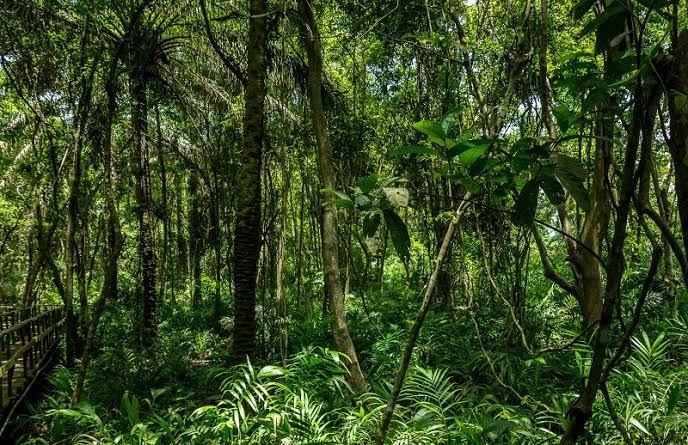
There is a dangerous misconception that forests are primarily environmental assets. They are not. Forests are economic infrastructure. For Nigeria, read more The business case for restoring Nigeria’s forests
There is a dangerous misconception that forests are primarily environmental assets. They are not. Forests are economic infrastructure. For Nigeria, restoring degraded forests is not simply about planting trees. It is about creating jobs, strengthening rural economies, improving food and water security, unlocking carbon value, protecting biodiversity and building resilience against climate change. The business case is compelling. Across Nigeria, communities depend on forests for food, fuel, medicines, timber, non-timber forest products and livelihoods. Yet deforestation and land degradation continue to erode this natural capital. When forests disappear, we do not merely lose trees; we lose economic opportunities, ecosystem services and environmental resilience. The World Health Organisation reminds us that healthy ecosystems provide clean air, fresh water, food, medicines and climate regulation, while nature-based solutions can simultaneously improve health, biodiversity and climate resilience. This is why forest restoration should move from the margins of environmental policy to the centre of economic strategy. Considering what is happening in Ethiopia across about 700 districts, landscape restoration has demonstrated that environmental recovery and economic development can reinforce each other. The World Bank-supported programme has brought more than 2.56 million hectares under sustainable landscape management and generated over 1.1 million jobs. Also, the Humbo forest restoration project offers another powerful lesson. More than 2,700 hectares of degraded land were restored, creating carbon benefits while generating income from fodder, forest fruits and other products for local communities. Importantly, the economic benefits to communities extended beyond carbon revenue. Nigeria does not need to copy these models. We need to learn from them and build our own. Our experience with the Seplat Tree4Life initiative in Edo State demonstrates what is possible when corporate investment, government commitment, technical expertise and community participation converge. Forest restoration becomes a platform for jobs, community engagement, biodiversity protection and future carbon value; not simply a tree-planting exercise. This distinction matters. A tree planted and abandoned is an activity. A forest restored, protected, measured and economically integrated is an asset. The Great Green Wall experience reinforces this point. In Nigeria, interventions have produced millions of seedlings, restored thousands of hectares, trained communities and created jobs. Across the wider Sahel, restoration initiatives have rehabilitated millions of hectares and supported hundreds of thousands of jobs. The opportunity for Nigeria is therefore much bigger than carbon credits. A well-designed forest economy can support nurseries, seed collection, land preparation, planting, forest monitoring, community patrols, agroforestry, beekeeping, sustainable harvesting, ecotourism, research and digital environmental monitoring. Women and young people, particularly in rural communities, can become participants in this emerging green economy rather than passive beneficiaries. Carbon markets add another layer of opportunity, but they must be approached with integrity. Credible carbon projects require additionality, robust baselines, transparent measurement, reporting and verification, strong safeguards and equitable benefit sharing. Carbon must never become an excuse for greenwashing or the commodification of communities’ rights. This is where ESG becomes practical. For businesses, investing in restoration can strengthen social licence to operate, manage climate risk, protect supply chains and create measurable environmental and social value. For the government, it can support rural employment, watershed protection, food security and climate commitments. For investors, it can create opportunities in nature-based assets and the emerging carbon economy. The United Nations Sustainable Development Goals already provide the imperative. SDG 15 calls for the restoration of degraded forests and land, while SDG 13 demands urgent climate action. But perhaps our ancestors understood this before sustainability became a corporate vocabulary. An African proverb says: “The best time to plant a tree was 20 years ago. The second-best time is now.” The biblical parable of the talents also reminds us that what is entrusted to us must be cultivated, multiplied and returned with value. Nigeria has been entrusted with extraordinary natural capital. The question is no longer whether we can afford to restore our forests. The more important question is: Can we afford not to? Restoring Nigeria’s forests should be treated as an investment in jobs, health, climate resilience, community prosperity and intergenerational wealth. We should stop counting trees merely as numbers planted. We must start measuring hectares restored, livelihoods improved, carbon sequestered, biodiversity protected, jobs created, communities empowered and economic value generated. That is the real business case for restoring Nigeria’s forests. Sarah Esangbedo Ajose-Adeogun is the Founder and Managing Partner of Teasoo Consulting Limited, a leading ESG Strategy and Sustainability Advisory firm committed to helping organisations build resilient, responsible, and future-ready businesses. She is a former Community Content Manager at Shell Petroleum Development Company and former Special Adviser on Strategy, Policy, Projects, and Performance Management to the Government of Edo State. She is the host of the #SarahSpeaks Podcast on YouTube @WinningBigWithSarah, where she shares practical insights on leadership, ESG etc. Teasoo Consulting is the developer of ESG Horizon, the first Africentric ESG Reporting tool, designed with context-specific ESG reporting aligned with global and local standards. More information can be accessed at www.teasooconsulting.com. Related News Eno tasks Seplat Energy to boost Akwa Ibom’s oil sector investment A port can be digitally connected and still cyber-vulnerable APC depletes as over 2,000 members defect to PDP in Kwara Share
For Nigeria, restoring degraded forests is not simply about planting trees. It is about creating jobs, strengthening rural economies, improving food and water security, unlocking carbon value, protecting biodiversity and building resilience against climate change. The business case is compelling. Across Nigeria, communities depend on forests for food, fuel, medicines, timber, non-timber forest products and livelihoods. Yet deforestation and land degradation continue to erode this natural capital. When forests disappear, we do not merely lose trees; we lose economic opportunities, ecosystem services and environmental resilience. The World Health Organisation reminds us that healthy ecosystems provide clean air, fresh water, food, medicines and climate regulation, while nature-based solutions can simultaneously improve health, biodiversity and climate resilience. This is why forest restoration should move from the margins of environmental policy to the centre of economic strategy. Considering what is happening in Ethiopia across about 700 districts, landscape restoration has demonstrated that environmental recovery and economic development can reinforce each other. The World Bank-supported programme has brought more than 2.56 million hectares under sustainable landscape management and generated over 1.1 million jobs. Also, the Humbo forest restoration project offers another powerful lesson. More than 2,700 hectares of degraded land were restored, creating carbon benefits while generating income from fodder, forest fruits and other products for local communities. Importantly, the economic benefits to communities extended beyond carbon revenue. Nigeria does not need to copy these models. We need to learn from them and build our own. Our experience with the Seplat Tree4Life initiative in Edo State demonstrates what is possible when corporate investment, government commitment, technical expertise and community participation converge. Forest restoration becomes a platform for jobs, community engagement, biodiversity protection and future carbon value; not simply a tree-planting exercise. This distinction matters. A tree planted and abandoned is an activity. A forest restored, protected, measured and economically integrated is an asset. The Great Green Wall experience reinforces this point. In Nigeria, interventions have produced millions of seedlings, restored thousands of hectares, trained communities and created jobs. Across the wider Sahel, restoration initiatives have rehabilitated millions of hectares and supported hundreds of thousands of jobs. The opportunity for Nigeria is therefore much bigger than carbon credits. A well-designed forest economy can support nurseries, seed collection, land preparation, planting, forest monitoring, community patrols, agroforestry, beekeeping, sustainable harvesting, ecotourism, research and digital environmental monitoring. Women and young people, particularly in rural communities, can become participants in this emerging green economy rather than passive beneficiaries. Carbon markets add another layer of opportunity, but they must be approached with integrity. Credible carbon projects require additionality, robust baselines, transparent measurement, reporting and verification, strong safeguards and equitable benefit sharing. Carbon must never become an excuse for greenwashing or the commodification of communities’ rights. This is where ESG becomes practical. For businesses, investing in restoration can strengthen social licence to operate, manage climate risk, protect supply chains and create measurable environmental and social value. For the government, it can support rural employment, watershed protection, food security and climate commitments. For investors, it can create opportunities in nature-based assets and the emerging carbon economy. The United Nations Sustainable Development Goals already provide the imperative. SDG 15 calls for the restoration of degraded forests and land, while SDG 13 demands urgent climate action. But perhaps our ancestors understood this before sustainability became a corporate vocabulary. An African proverb says: “The best time to plant a tree was 20 years ago. The second-best time is now.” The biblical parable of the talents also reminds us that what is entrusted to us must be cultivated, multiplied and returned with value. Nigeria has been entrusted with extraordinary natural capital. The question is no longer whether we can afford to restore our forests. The more important question is: Can we afford not to? Restoring Nigeria’s forests should be treated as an investment in jobs, health, climate resilience, community prosperity and intergenerational wealth. We should stop counting trees merely as numbers planted. We must start measuring hectares restored, livelihoods improved, carbon sequestered, biodiversity protected, jobs created, communities empowered and economic value generated. That is the real business case for restoring Nigeria’s forests. Sarah Esangbedo Ajose-Adeogun is the Founder and Managing Partner of Teasoo Consulting Limited, a leading ESG Strategy and Sustainability Advisory firm committed to helping organisations build resilient, responsible, and future-ready businesses. She is a former Community Content Manager at Shell Petroleum Development Company and former Special Adviser on Strategy, Policy, Projects, and Performance Management to the Government of Edo State. She is the host of the #SarahSpeaks Podcast on YouTube @WinningBigWithSarah, where she shares practical insights on leadership, ESG etc. Teasoo Consulting is the developer of ESG Horizon, the first Africentric ESG Reporting tool, designed with context-specific ESG reporting aligned with global and local standards. More information can be accessed at www.teasooconsulting.com. Related News Eno tasks Seplat Energy to boost Akwa Ibom’s oil sector investment A port can be digitally connected and still cyber-vulnerable APC depletes as over 2,000 members defect to PDP in Kwara Share
The business case is compelling. Across Nigeria, communities depend on forests for food, fuel, medicines, timber, non-timber forest products and livelihoods. Yet deforestation and land degradation continue to erode this natural capital. When forests disappear, we do not merely lose trees; we lose economic opportunities, ecosystem services and environmental resilience. The World Health Organisation reminds us that healthy ecosystems provide clean air, fresh water, food, medicines and climate regulation, while nature-based solutions can simultaneously improve health, biodiversity and climate resilience. This is why forest restoration should move from the margins of environmental policy to the centre of economic strategy. Considering what is happening in Ethiopia across about 700 districts, landscape restoration has demonstrated that environmental recovery and economic development can reinforce each other. The World Bank-supported programme has brought more than 2.56 million hectares under sustainable landscape management and generated over 1.1 million jobs. Also, the Humbo forest restoration project offers another powerful lesson. More than 2,700 hectares of degraded land were restored, creating carbon benefits while generating income from fodder, forest fruits and other products for local communities. Importantly, the economic benefits to communities extended beyond carbon revenue. Nigeria does not need to copy these models. We need to learn from them and build our own. Our experience with the Seplat Tree4Life initiative in Edo State demonstrates what is possible when corporate investment, government commitment, technical expertise and community participation converge. Forest restoration becomes a platform for jobs, community engagement, biodiversity protection and future carbon value; not simply a tree-planting exercise. This distinction matters. A tree planted and abandoned is an activity. A forest restored, protected, measured and economically integrated is an asset. The Great Green Wall experience reinforces this point. In Nigeria, interventions have produced millions of seedlings, restored thousands of hectares, trained communities and created jobs. Across the wider Sahel, restoration initiatives have rehabilitated millions of hectares and supported hundreds of thousands of jobs. The opportunity for Nigeria is therefore much bigger than carbon credits. A well-designed forest economy can support nurseries, seed collection, land preparation, planting, forest monitoring, community patrols, agroforestry, beekeeping, sustainable harvesting, ecotourism, research and digital environmental monitoring. Women and young people, particularly in rural communities, can become participants in this emerging green economy rather than passive beneficiaries. Carbon markets add another layer of opportunity, but they must be approached with integrity. Credible carbon projects require additionality, robust baselines, transparent measurement, reporting and verification, strong safeguards and equitable benefit sharing. Carbon must never become an excuse for greenwashing or the commodification of communities’ rights. This is where ESG becomes practical. For businesses, investing in restoration can strengthen social licence to operate, manage climate risk, protect supply chains and create measurable environmental and social value. For the government, it can support rural employment, watershed protection, food security and climate commitments. For investors, it can create opportunities in nature-based assets and the emerging carbon economy. The United Nations Sustainable Development Goals already provide the imperative. SDG 15 calls for the restoration of degraded forests and land, while SDG 13 demands urgent climate action. But perhaps our ancestors understood this before sustainability became a corporate vocabulary. An African proverb says: “The best time to plant a tree was 20 years ago. The second-best time is now.” The biblical parable of the talents also reminds us that what is entrusted to us must be cultivated, multiplied and returned with value. Nigeria has been entrusted with extraordinary natural capital. The question is no longer whether we can afford to restore our forests. The more important question is: Can we afford not to? Restoring Nigeria’s forests should be treated as an investment in jobs, health, climate resilience, community prosperity and intergenerational wealth. We should stop counting trees merely as numbers planted. We must start measuring hectares restored, livelihoods improved, carbon sequestered, biodiversity protected, jobs created, communities empowered and economic value generated. That is the real business case for restoring Nigeria’s forests. Sarah Esangbedo Ajose-Adeogun is the Founder and Managing Partner of Teasoo Consulting Limited, a leading ESG Strategy and Sustainability Advisory firm committed to helping organisations build resilient, responsible, and future-ready businesses. She is a former Community Content Manager at Shell Petroleum Development Company and former Special Adviser on Strategy, Policy, Projects, and Performance Management to the Government of Edo State. She is the host of the #SarahSpeaks Podcast on YouTube @WinningBigWithSarah, where she shares practical insights on leadership, ESG etc. Teasoo Consulting is the developer of ESG Horizon, the first Africentric ESG Reporting tool, designed with context-specific ESG reporting aligned with global and local standards. More information can be accessed at www.teasooconsulting.com. Related News Eno tasks Seplat Energy to boost Akwa Ibom’s oil sector investment A port can be digitally connected and still cyber-vulnerable APC depletes as over 2,000 members defect to PDP in Kwara Share
Across Nigeria, communities depend on forests for food, fuel, medicines, timber, non-timber forest products and livelihoods. Yet deforestation and land degradation continue to erode this natural capital. When forests disappear, we do not merely lose trees; we lose economic opportunities, ecosystem services and environmental resilience. The World Health Organisation reminds us that healthy ecosystems provide clean air, fresh water, food, medicines and climate regulation, while nature-based solutions can simultaneously improve health, biodiversity and climate resilience. This is why forest restoration should move from the margins of environmental policy to the centre of economic strategy. Considering what is happening in Ethiopia across about 700 districts, landscape restoration has demonstrated that environmental recovery and economic development can reinforce each other. The World Bank-supported programme has brought more than 2.56 million hectares under sustainable landscape management and generated over 1.1 million jobs. Also, the Humbo forest restoration project offers another powerful lesson. More than 2,700 hectares of degraded land were restored, creating carbon benefits while generating income from fodder, forest fruits and other products for local communities. Importantly, the economic benefits to communities extended beyond carbon revenue. Nigeria does not need to copy these models. We need to learn from them and build our own. Our experience with the Seplat Tree4Life initiative in Edo State demonstrates what is possible when corporate investment, government commitment, technical expertise and community participation converge. Forest restoration becomes a platform for jobs, community engagement, biodiversity protection and future carbon value; not simply a tree-planting exercise. This distinction matters. A tree planted and abandoned is an activity. A forest restored, protected, measured and economically integrated is an asset. The Great Green Wall experience reinforces this point. In Nigeria, interventions have produced millions of seedlings, restored thousands of hectares, trained communities and created jobs. Across the wider Sahel, restoration initiatives have rehabilitated millions of hectares and supported hundreds of thousands of jobs. The opportunity for Nigeria is therefore much bigger than carbon credits. A well-designed forest economy can support nurseries, seed collection, land preparation, planting, forest monitoring, community patrols, agroforestry, beekeeping, sustainable harvesting, ecotourism, research and digital environmental monitoring. Women and young people, particularly in rural communities, can become participants in this emerging green economy rather than passive beneficiaries. Carbon markets add another layer of opportunity, but they must be approached with integrity. Credible carbon projects require additionality, robust baselines, transparent measurement, reporting and verification, strong safeguards and equitable benefit sharing. Carbon must never become an excuse for greenwashing or the commodification of communities’ rights. This is where ESG becomes practical. For businesses, investing in restoration can strengthen social licence to operate, manage climate risk, protect supply chains and create measurable environmental and social value. For the government, it can support rural employment, watershed protection, food security and climate commitments. For investors, it can create opportunities in nature-based assets and the emerging carbon economy. The United Nations Sustainable Development Goals already provide the imperative. SDG 15 calls for the restoration of degraded forests and land, while SDG 13 demands urgent climate action. But perhaps our ancestors understood this before sustainability became a corporate vocabulary. An African proverb says: “The best time to plant a tree was 20 years ago. The second-best time is now.” The biblical parable of the talents also reminds us that what is entrusted to us must be cultivated, multiplied and returned with value. Nigeria has been entrusted with extraordinary natural capital. The question is no longer whether we can afford to restore our forests. The more important question is: Can we afford not to? Restoring Nigeria’s forests should be treated as an investment in jobs, health, climate resilience, community prosperity and intergenerational wealth. We should stop counting trees merely as numbers planted. We must start measuring hectares restored, livelihoods improved, carbon sequestered, biodiversity protected, jobs created, communities empowered and economic value generated. That is the real business case for restoring Nigeria’s forests. Sarah Esangbedo Ajose-Adeogun is the Founder and Managing Partner of Teasoo Consulting Limited, a leading ESG Strategy and Sustainability Advisory firm committed to helping organisations build resilient, responsible, and future-ready businesses. She is a former Community Content Manager at Shell Petroleum Development Company and former Special Adviser on Strategy, Policy, Projects, and Performance Management to the Government of Edo State. She is the host of the #SarahSpeaks Podcast on YouTube @WinningBigWithSarah, where she shares practical insights on leadership, ESG etc. Teasoo Consulting is the developer of ESG Horizon, the first Africentric ESG Reporting tool, designed with context-specific ESG reporting aligned with global and local standards. More information can be accessed at www.teasooconsulting.com. Related News Eno tasks Seplat Energy to boost Akwa Ibom’s oil sector investment A port can be digitally connected and still cyber-vulnerable APC depletes as over 2,000 members defect to PDP in Kwara Share
The World Health Organisation reminds us that healthy ecosystems provide clean air, fresh water, food, medicines and climate regulation, while nature-based solutions can simultaneously improve health, biodiversity and climate resilience. This is why forest restoration should move from the margins of environmental policy to the centre of economic strategy. Considering what is happening in Ethiopia across about 700 districts, landscape restoration has demonstrated that environmental recovery and economic development can reinforce each other. The World Bank-supported programme has brought more than 2.56 million hectares under sustainable landscape management and generated over 1.1 million jobs. Also, the Humbo forest restoration project offers another powerful lesson. More than 2,700 hectares of degraded land were restored, creating carbon benefits while generating income from fodder, forest fruits and other products for local communities. Importantly, the economic benefits to communities extended beyond carbon revenue. Nigeria does not need to copy these models. We need to learn from them and build our own. Our experience with the Seplat Tree4Life initiative in Edo State demonstrates what is possible when corporate investment, government commitment, technical expertise and community participation converge. Forest restoration becomes a platform for jobs, community engagement, biodiversity protection and future carbon value; not simply a tree-planting exercise. This distinction matters. A tree planted and abandoned is an activity. A forest restored, protected, measured and economically integrated is an asset. The Great Green Wall experience reinforces this point. In Nigeria, interventions have produced millions of seedlings, restored thousands of hectares, trained communities and created jobs. Across the wider Sahel, restoration initiatives have rehabilitated millions of hectares and supported hundreds of thousands of jobs. The opportunity for Nigeria is therefore much bigger than carbon credits. A well-designed forest economy can support nurseries, seed collection, land preparation, planting, forest monitoring, community patrols, agroforestry, beekeeping, sustainable harvesting, ecotourism, research and digital environmental monitoring. Women and young people, particularly in rural communities, can become participants in this emerging green economy rather than passive beneficiaries. Carbon markets add another layer of opportunity, but they must be approached with integrity. Credible carbon projects require additionality, robust baselines, transparent measurement, reporting and verification, strong safeguards and equitable benefit sharing. Carbon must never become an excuse for greenwashing or the commodification of communities’ rights. This is where ESG becomes practical. For businesses, investing in restoration can strengthen social licence to operate, manage climate risk, protect supply chains and create measurable environmental and social value. For the government, it can support rural employment, watershed protection, food security and climate commitments. For investors, it can create opportunities in nature-based assets and the emerging carbon economy. The United Nations Sustainable Development Goals already provide the imperative. SDG 15 calls for the restoration of degraded forests and land, while SDG 13 demands urgent climate action. But perhaps our ancestors understood this before sustainability became a corporate vocabulary. An African proverb says: “The best time to plant a tree was 20 years ago. The second-best time is now.” The biblical parable of the talents also reminds us that what is entrusted to us must be cultivated, multiplied and returned with value. Nigeria has been entrusted with extraordinary natural capital. The question is no longer whether we can afford to restore our forests. The more important question is: Can we afford not to? Restoring Nigeria’s forests should be treated as an investment in jobs, health, climate resilience, community prosperity and intergenerational wealth. We should stop counting trees merely as numbers planted. We must start measuring hectares restored, livelihoods improved, carbon sequestered, biodiversity protected, jobs created, communities empowered and economic value generated. That is the real business case for restoring Nigeria’s forests. Sarah Esangbedo Ajose-Adeogun is the Founder and Managing Partner of Teasoo Consulting Limited, a leading ESG Strategy and Sustainability Advisory firm committed to helping organisations build resilient, responsible, and future-ready businesses. She is a former Community Content Manager at Shell Petroleum Development Company and former Special Adviser on Strategy, Policy, Projects, and Performance Management to the Government of Edo State. She is the host of the #SarahSpeaks Podcast on YouTube @WinningBigWithSarah, where she shares practical insights on leadership, ESG etc. Teasoo Consulting is the developer of ESG Horizon, the first Africentric ESG Reporting tool, designed with context-specific ESG reporting aligned with global and local standards. More information can be accessed at www.teasooconsulting.com. Related News Eno tasks Seplat Energy to boost Akwa Ibom’s oil sector investment A port can be digitally connected and still cyber-vulnerable APC depletes as over 2,000 members defect to PDP in Kwara Share
This is why forest restoration should move from the margins of environmental policy to the centre of economic strategy. Considering what is happening in Ethiopia across about 700 districts, landscape restoration has demonstrated that environmental recovery and economic development can reinforce each other. The World Bank-supported programme has brought more than 2.56 million hectares under sustainable landscape management and generated over 1.1 million jobs. Also, the Humbo forest restoration project offers another powerful lesson. More than 2,700 hectares of degraded land were restored, creating carbon benefits while generating income from fodder, forest fruits and other products for local communities. Importantly, the economic benefits to communities extended beyond carbon revenue. Nigeria does not need to copy these models. We need to learn from them and build our own. Our experience with the Seplat Tree4Life initiative in Edo State demonstrates what is possible when corporate investment, government commitment, technical expertise and community participation converge. Forest restoration becomes a platform for jobs, community engagement, biodiversity protection and future carbon value; not simply a tree-planting exercise. This distinction matters. A tree planted and abandoned is an activity. A forest restored, protected, measured and economically integrated is an asset. The Great Green Wall experience reinforces this point. In Nigeria, interventions have produced millions of seedlings, restored thousands of hectares, trained communities and created jobs. Across the wider Sahel, restoration initiatives have rehabilitated millions of hectares and supported hundreds of thousands of jobs. The opportunity for Nigeria is therefore much bigger than carbon credits. A well-designed forest economy can support nurseries, seed collection, land preparation, planting, forest monitoring, community patrols, agroforestry, beekeeping, sustainable harvesting, ecotourism, research and digital environmental monitoring. Women and young people, particularly in rural communities, can become participants in this emerging green economy rather than passive beneficiaries. Carbon markets add another layer of opportunity, but they must be approached with integrity. Credible carbon projects require additionality, robust baselines, transparent measurement, reporting and verification, strong safeguards and equitable benefit sharing. Carbon must never become an excuse for greenwashing or the commodification of communities’ rights. This is where ESG becomes practical. For businesses, investing in restoration can strengthen social licence to operate, manage climate risk, protect supply chains and create measurable environmental and social value. For the government, it can support rural employment, watershed protection, food security and climate commitments. For investors, it can create opportunities in nature-based assets and the emerging carbon economy. The United Nations Sustainable Development Goals already provide the imperative. SDG 15 calls for the restoration of degraded forests and land, while SDG 13 demands urgent climate action. But perhaps our ancestors understood this before sustainability became a corporate vocabulary. An African proverb says: “The best time to plant a tree was 20 years ago. The second-best time is now.” The biblical parable of the talents also reminds us that what is entrusted to us must be cultivated, multiplied and returned with value. Nigeria has been entrusted with extraordinary natural capital. The question is no longer whether we can afford to restore our forests. The more important question is: Can we afford not to? Restoring Nigeria’s forests should be treated as an investment in jobs, health, climate resilience, community prosperity and intergenerational wealth. We should stop counting trees merely as numbers planted. We must start measuring hectares restored, livelihoods improved, carbon sequestered, biodiversity protected, jobs created, communities empowered and economic value generated. That is the real business case for restoring Nigeria’s forests. Sarah Esangbedo Ajose-Adeogun is the Founder and Managing Partner of Teasoo Consulting Limited, a leading ESG Strategy and Sustainability Advisory firm committed to helping organisations build resilient, responsible, and future-ready businesses. She is a former Community Content Manager at Shell Petroleum Development Company and former Special Adviser on Strategy, Policy, Projects, and Performance Management to the Government of Edo State. She is the host of the #SarahSpeaks Podcast on YouTube @WinningBigWithSarah, where she shares practical insights on leadership, ESG etc. Teasoo Consulting is the developer of ESG Horizon, the first Africentric ESG Reporting tool, designed with context-specific ESG reporting aligned with global and local standards. More information can be accessed at www.teasooconsulting.com. Related News Eno tasks Seplat Energy to boost Akwa Ibom’s oil sector investment A port can be digitally connected and still cyber-vulnerable APC depletes as over 2,000 members defect to PDP in Kwara Share
Considering what is happening in Ethiopia across about 700 districts, landscape restoration has demonstrated that environmental recovery and economic development can reinforce each other. The World Bank-supported programme has brought more than 2.56 million hectares under sustainable landscape management and generated over 1.1 million jobs. Also, the Humbo forest restoration project offers another powerful lesson. More than 2,700 hectares of degraded land were restored, creating carbon benefits while generating income from fodder, forest fruits and other products for local communities. Importantly, the economic benefits to communities extended beyond carbon revenue. Nigeria does not need to copy these models. We need to learn from them and build our own. Our experience with the Seplat Tree4Life initiative in Edo State demonstrates what is possible when corporate investment, government commitment, technical expertise and community participation converge. Forest restoration becomes a platform for jobs, community engagement, biodiversity protection and future carbon value; not simply a tree-planting exercise. This distinction matters. A tree planted and abandoned is an activity. A forest restored, protected, measured and economically integrated is an asset. The Great Green Wall experience reinforces this point. In Nigeria, interventions have produced millions of seedlings, restored thousands of hectares, trained communities and created jobs. Across the wider Sahel, restoration initiatives have rehabilitated millions of hectares and supported hundreds of thousands of jobs. The opportunity for Nigeria is therefore much bigger than carbon credits. A well-designed forest economy can support nurseries, seed collection, land preparation, planting, forest monitoring, community patrols, agroforestry, beekeeping, sustainable harvesting, ecotourism, research and digital environmental monitoring. Women and young people, particularly in rural communities, can become participants in this emerging green economy rather than passive beneficiaries. Carbon markets add another layer of opportunity, but they must be approached with integrity. Credible carbon projects require additionality, robust baselines, transparent measurement, reporting and verification, strong safeguards and equitable benefit sharing. Carbon must never become an excuse for greenwashing or the commodification of communities’ rights. This is where ESG becomes practical. For businesses, investing in restoration can strengthen social licence to operate, manage climate risk, protect supply chains and create measurable environmental and social value. For the government, it can support rural employment, watershed protection, food security and climate commitments. For investors, it can create opportunities in nature-based assets and the emerging carbon economy. The United Nations Sustainable Development Goals already provide the imperative. SDG 15 calls for the restoration of degraded forests and land, while SDG 13 demands urgent climate action. But perhaps our ancestors understood this before sustainability became a corporate vocabulary. An African proverb says: “The best time to plant a tree was 20 years ago. The second-best time is now.” The biblical parable of the talents also reminds us that what is entrusted to us must be cultivated, multiplied and returned with value. Nigeria has been entrusted with extraordinary natural capital. The question is no longer whether we can afford to restore our forests. The more important question is: Can we afford not to? Restoring Nigeria’s forests should be treated as an investment in jobs, health, climate resilience, community prosperity and intergenerational wealth. We should stop counting trees merely as numbers planted. We must start measuring hectares restored, livelihoods improved, carbon sequestered, biodiversity protected, jobs created, communities empowered and economic value generated. That is the real business case for restoring Nigeria’s forests. Sarah Esangbedo Ajose-Adeogun is the Founder and Managing Partner of Teasoo Consulting Limited, a leading ESG Strategy and Sustainability Advisory firm committed to helping organisations build resilient, responsible, and future-ready businesses. She is a former Community Content Manager at Shell Petroleum Development Company and former Special Adviser on Strategy, Policy, Projects, and Performance Management to the Government of Edo State. She is the host of the #SarahSpeaks Podcast on YouTube @WinningBigWithSarah, where she shares practical insights on leadership, ESG etc. Teasoo Consulting is the developer of ESG Horizon, the first Africentric ESG Reporting tool, designed with context-specific ESG reporting aligned with global and local standards. More information can be accessed at www.teasooconsulting.com. Related News Eno tasks Seplat Energy to boost Akwa Ibom’s oil sector investment A port can be digitally connected and still cyber-vulnerable APC depletes as over 2,000 members defect to PDP in Kwara Share
Also, the Humbo forest restoration project offers another powerful lesson. More than 2,700 hectares of degraded land were restored, creating carbon benefits while generating income from fodder, forest fruits and other products for local communities. Importantly, the economic benefits to communities extended beyond carbon revenue. Nigeria does not need to copy these models. We need to learn from them and build our own. Our experience with the Seplat Tree4Life initiative in Edo State demonstrates what is possible when corporate investment, government commitment, technical expertise and community participation converge. Forest restoration becomes a platform for jobs, community engagement, biodiversity protection and future carbon value; not simply a tree-planting exercise. This distinction matters. A tree planted and abandoned is an activity. A forest restored, protected, measured and economically integrated is an asset. The Great Green Wall experience reinforces this point. In Nigeria, interventions have produced millions of seedlings, restored thousands of hectares, trained communities and created jobs. Across the wider Sahel, restoration initiatives have rehabilitated millions of hectares and supported hundreds of thousands of jobs. The opportunity for Nigeria is therefore much bigger than carbon credits. A well-designed forest economy can support nurseries, seed collection, land preparation, planting, forest monitoring, community patrols, agroforestry, beekeeping, sustainable harvesting, ecotourism, research and digital environmental monitoring. Women and young people, particularly in rural communities, can become participants in this emerging green economy rather than passive beneficiaries. Carbon markets add another layer of opportunity, but they must be approached with integrity. Credible carbon projects require additionality, robust baselines, transparent measurement, reporting and verification, strong safeguards and equitable benefit sharing. Carbon must never become an excuse for greenwashing or the commodification of communities’ rights. This is where ESG becomes practical. For businesses, investing in restoration can strengthen social licence to operate, manage climate risk, protect supply chains and create measurable environmental and social value. For the government, it can support rural employment, watershed protection, food security and climate commitments. For investors, it can create opportunities in nature-based assets and the emerging carbon economy. The United Nations Sustainable Development Goals already provide the imperative. SDG 15 calls for the restoration of degraded forests and land, while SDG 13 demands urgent climate action. But perhaps our ancestors understood this before sustainability became a corporate vocabulary. An African proverb says: “The best time to plant a tree was 20 years ago. The second-best time is now.” The biblical parable of the talents also reminds us that what is entrusted to us must be cultivated, multiplied and returned with value. Nigeria has been entrusted with extraordinary natural capital. The question is no longer whether we can afford to restore our forests. The more important question is: Can we afford not to? Restoring Nigeria’s forests should be treated as an investment in jobs, health, climate resilience, community prosperity and intergenerational wealth. We should stop counting trees merely as numbers planted. We must start measuring hectares restored, livelihoods improved, carbon sequestered, biodiversity protected, jobs created, communities empowered and economic value generated. That is the real business case for restoring Nigeria’s forests. Sarah Esangbedo Ajose-Adeogun is the Founder and Managing Partner of Teasoo Consulting Limited, a leading ESG Strategy and Sustainability Advisory firm committed to helping organisations build resilient, responsible, and future-ready businesses. She is a former Community Content Manager at Shell Petroleum Development Company and former Special Adviser on Strategy, Policy, Projects, and Performance Management to the Government of Edo State. She is the host of the #SarahSpeaks Podcast on YouTube @WinningBigWithSarah, where she shares practical insights on leadership, ESG etc. Teasoo Consulting is the developer of ESG Horizon, the first Africentric ESG Reporting tool, designed with context-specific ESG reporting aligned with global and local standards. More information can be accessed at www.teasooconsulting.com. Related News Eno tasks Seplat Energy to boost Akwa Ibom’s oil sector investment A port can be digitally connected and still cyber-vulnerable APC depletes as over 2,000 members defect to PDP in Kwara Share
Nigeria does not need to copy these models. We need to learn from them and build our own. Our experience with the Seplat Tree4Life initiative in Edo State demonstrates what is possible when corporate investment, government commitment, technical expertise and community participation converge. Forest restoration becomes a platform for jobs, community engagement, biodiversity protection and future carbon value; not simply a tree-planting exercise. This distinction matters. A tree planted and abandoned is an activity. A forest restored, protected, measured and economically integrated is an asset. The Great Green Wall experience reinforces this point. In Nigeria, interventions have produced millions of seedlings, restored thousands of hectares, trained communities and created jobs. Across the wider Sahel, restoration initiatives have rehabilitated millions of hectares and supported hundreds of thousands of jobs. The opportunity for Nigeria is therefore much bigger than carbon credits. A well-designed forest economy can support nurseries, seed collection, land preparation, planting, forest monitoring, community patrols, agroforestry, beekeeping, sustainable harvesting, ecotourism, research and digital environmental monitoring. Women and young people, particularly in rural communities, can become participants in this emerging green economy rather than passive beneficiaries. Carbon markets add another layer of opportunity, but they must be approached with integrity. Credible carbon projects require additionality, robust baselines, transparent measurement, reporting and verification, strong safeguards and equitable benefit sharing. Carbon must never become an excuse for greenwashing or the commodification of communities’ rights. This is where ESG becomes practical. For businesses, investing in restoration can strengthen social licence to operate, manage climate risk, protect supply chains and create measurable environmental and social value. For the government, it can support rural employment, watershed protection, food security and climate commitments. For investors, it can create opportunities in nature-based assets and the emerging carbon economy. The United Nations Sustainable Development Goals already provide the imperative. SDG 15 calls for the restoration of degraded forests and land, while SDG 13 demands urgent climate action. But perhaps our ancestors understood this before sustainability became a corporate vocabulary. An African proverb says: “The best time to plant a tree was 20 years ago. The second-best time is now.” The biblical parable of the talents also reminds us that what is entrusted to us must be cultivated, multiplied and returned with value. Nigeria has been entrusted with extraordinary natural capital. The question is no longer whether we can afford to restore our forests. The more important question is: Can we afford not to? Restoring Nigeria’s forests should be treated as an investment in jobs, health, climate resilience, community prosperity and intergenerational wealth. We should stop counting trees merely as numbers planted. We must start measuring hectares restored, livelihoods improved, carbon sequestered, biodiversity protected, jobs created, communities empowered and economic value generated. That is the real business case for restoring Nigeria’s forests. Sarah Esangbedo Ajose-Adeogun is the Founder and Managing Partner of Teasoo Consulting Limited, a leading ESG Strategy and Sustainability Advisory firm committed to helping organisations build resilient, responsible, and future-ready businesses. She is a former Community Content Manager at Shell Petroleum Development Company and former Special Adviser on Strategy, Policy, Projects, and Performance Management to the Government of Edo State. She is the host of the #SarahSpeaks Podcast on YouTube @WinningBigWithSarah, where she shares practical insights on leadership, ESG etc. Teasoo Consulting is the developer of ESG Horizon, the first Africentric ESG Reporting tool, designed with context-specific ESG reporting aligned with global and local standards. More information can be accessed at www.teasooconsulting.com. Related News Eno tasks Seplat Energy to boost Akwa Ibom’s oil sector investment A port can be digitally connected and still cyber-vulnerable APC depletes as over 2,000 members defect to PDP in Kwara Share
Our experience with the Seplat Tree4Life initiative in Edo State demonstrates what is possible when corporate investment, government commitment, technical expertise and community participation converge. Forest restoration becomes a platform for jobs, community engagement, biodiversity protection and future carbon value; not simply a tree-planting exercise. This distinction matters. A tree planted and abandoned is an activity. A forest restored, protected, measured and economically integrated is an asset. The Great Green Wall experience reinforces this point. In Nigeria, interventions have produced millions of seedlings, restored thousands of hectares, trained communities and created jobs. Across the wider Sahel, restoration initiatives have rehabilitated millions of hectares and supported hundreds of thousands of jobs. The opportunity for Nigeria is therefore much bigger than carbon credits. A well-designed forest economy can support nurseries, seed collection, land preparation, planting, forest monitoring, community patrols, agroforestry, beekeeping, sustainable harvesting, ecotourism, research and digital environmental monitoring. Women and young people, particularly in rural communities, can become participants in this emerging green economy rather than passive beneficiaries. Carbon markets add another layer of opportunity, but they must be approached with integrity. Credible carbon projects require additionality, robust baselines, transparent measurement, reporting and verification, strong safeguards and equitable benefit sharing. Carbon must never become an excuse for greenwashing or the commodification of communities’ rights. This is where ESG becomes practical. For businesses, investing in restoration can strengthen social licence to operate, manage climate risk, protect supply chains and create measurable environmental and social value. For the government, it can support rural employment, watershed protection, food security and climate commitments. For investors, it can create opportunities in nature-based assets and the emerging carbon economy. The United Nations Sustainable Development Goals already provide the imperative. SDG 15 calls for the restoration of degraded forests and land, while SDG 13 demands urgent climate action. But perhaps our ancestors understood this before sustainability became a corporate vocabulary. An African proverb says: “The best time to plant a tree was 20 years ago. The second-best time is now.” The biblical parable of the talents also reminds us that what is entrusted to us must be cultivated, multiplied and returned with value. Nigeria has been entrusted with extraordinary natural capital. The question is no longer whether we can afford to restore our forests. The more important question is: Can we afford not to? Restoring Nigeria’s forests should be treated as an investment in jobs, health, climate resilience, community prosperity and intergenerational wealth. We should stop counting trees merely as numbers planted. We must start measuring hectares restored, livelihoods improved, carbon sequestered, biodiversity protected, jobs created, communities empowered and economic value generated. That is the real business case for restoring Nigeria’s forests. Sarah Esangbedo Ajose-Adeogun is the Founder and Managing Partner of Teasoo Consulting Limited, a leading ESG Strategy and Sustainability Advisory firm committed to helping organisations build resilient, responsible, and future-ready businesses. She is a former Community Content Manager at Shell Petroleum Development Company and former Special Adviser on Strategy, Policy, Projects, and Performance Management to the Government of Edo State. She is the host of the #SarahSpeaks Podcast on YouTube @WinningBigWithSarah, where she shares practical insights on leadership, ESG etc. Teasoo Consulting is the developer of ESG Horizon, the first Africentric ESG Reporting tool, designed with context-specific ESG reporting aligned with global and local standards. More information can be accessed at www.teasooconsulting.com. Related News Eno tasks Seplat Energy to boost Akwa Ibom’s oil sector investment A port can be digitally connected and still cyber-vulnerable APC depletes as over 2,000 members defect to PDP in Kwara Share
This distinction matters. A tree planted and abandoned is an activity. A forest restored, protected, measured and economically integrated is an asset. The Great Green Wall experience reinforces this point. In Nigeria, interventions have produced millions of seedlings, restored thousands of hectares, trained communities and created jobs. Across the wider Sahel, restoration initiatives have rehabilitated millions of hectares and supported hundreds of thousands of jobs. The opportunity for Nigeria is therefore much bigger than carbon credits. A well-designed forest economy can support nurseries, seed collection, land preparation, planting, forest monitoring, community patrols, agroforestry, beekeeping, sustainable harvesting, ecotourism, research and digital environmental monitoring. Women and young people, particularly in rural communities, can become participants in this emerging green economy rather than passive beneficiaries. Carbon markets add another layer of opportunity, but they must be approached with integrity. Credible carbon projects require additionality, robust baselines, transparent measurement, reporting and verification, strong safeguards and equitable benefit sharing. Carbon must never become an excuse for greenwashing or the commodification of communities’ rights. This is where ESG becomes practical. For businesses, investing in restoration can strengthen social licence to operate, manage climate risk, protect supply chains and create measurable environmental and social value. For the government, it can support rural employment, watershed protection, food security and climate commitments. For investors, it can create opportunities in nature-based assets and the emerging carbon economy. The United Nations Sustainable Development Goals already provide the imperative. SDG 15 calls for the restoration of degraded forests and land, while SDG 13 demands urgent climate action. But perhaps our ancestors understood this before sustainability became a corporate vocabulary. An African proverb says: “The best time to plant a tree was 20 years ago. The second-best time is now.” The biblical parable of the talents also reminds us that what is entrusted to us must be cultivated, multiplied and returned with value. Nigeria has been entrusted with extraordinary natural capital. The question is no longer whether we can afford to restore our forests. The more important question is: Can we afford not to? Restoring Nigeria’s forests should be treated as an investment in jobs, health, climate resilience, community prosperity and intergenerational wealth. We should stop counting trees merely as numbers planted. We must start measuring hectares restored, livelihoods improved, carbon sequestered, biodiversity protected, jobs created, communities empowered and economic value generated. That is the real business case for restoring Nigeria’s forests. Sarah Esangbedo Ajose-Adeogun is the Founder and Managing Partner of Teasoo Consulting Limited, a leading ESG Strategy and Sustainability Advisory firm committed to helping organisations build resilient, responsible, and future-ready businesses. She is a former Community Content Manager at Shell Petroleum Development Company and former Special Adviser on Strategy, Policy, Projects, and Performance Management to the Government of Edo State. She is the host of the #SarahSpeaks Podcast on YouTube @WinningBigWithSarah, where she shares practical insights on leadership, ESG etc. Teasoo Consulting is the developer of ESG Horizon, the first Africentric ESG Reporting tool, designed with context-specific ESG reporting aligned with global and local standards. More information can be accessed at www.teasooconsulting.com. Related News Eno tasks Seplat Energy to boost Akwa Ibom’s oil sector investment A port can be digitally connected and still cyber-vulnerable APC depletes as over 2,000 members defect to PDP in Kwara Share
A tree planted and abandoned is an activity. A forest restored, protected, measured and economically integrated is an asset. The Great Green Wall experience reinforces this point. In Nigeria, interventions have produced millions of seedlings, restored thousands of hectares, trained communities and created jobs. Across the wider Sahel, restoration initiatives have rehabilitated millions of hectares and supported hundreds of thousands of jobs. The opportunity for Nigeria is therefore much bigger than carbon credits. A well-designed forest economy can support nurseries, seed collection, land preparation, planting, forest monitoring, community patrols, agroforestry, beekeeping, sustainable harvesting, ecotourism, research and digital environmental monitoring. Women and young people, particularly in rural communities, can become participants in this emerging green economy rather than passive beneficiaries. Carbon markets add another layer of opportunity, but they must be approached with integrity. Credible carbon projects require additionality, robust baselines, transparent measurement, reporting and verification, strong safeguards and equitable benefit sharing. Carbon must never become an excuse for greenwashing or the commodification of communities’ rights. This is where ESG becomes practical. For businesses, investing in restoration can strengthen social licence to operate, manage climate risk, protect supply chains and create measurable environmental and social value. For the government, it can support rural employment, watershed protection, food security and climate commitments. For investors, it can create opportunities in nature-based assets and the emerging carbon economy. The United Nations Sustainable Development Goals already provide the imperative. SDG 15 calls for the restoration of degraded forests and land, while SDG 13 demands urgent climate action. But perhaps our ancestors understood this before sustainability became a corporate vocabulary. An African proverb says: “The best time to plant a tree was 20 years ago. The second-best time is now.” The biblical parable of the talents also reminds us that what is entrusted to us must be cultivated, multiplied and returned with value. Nigeria has been entrusted with extraordinary natural capital. The question is no longer whether we can afford to restore our forests. The more important question is: Can we afford not to? Restoring Nigeria’s forests should be treated as an investment in jobs, health, climate resilience, community prosperity and intergenerational wealth. We should stop counting trees merely as numbers planted. We must start measuring hectares restored, livelihoods improved, carbon sequestered, biodiversity protected, jobs created, communities empowered and economic value generated. That is the real business case for restoring Nigeria’s forests. Sarah Esangbedo Ajose-Adeogun is the Founder and Managing Partner of Teasoo Consulting Limited, a leading ESG Strategy and Sustainability Advisory firm committed to helping organisations build resilient, responsible, and future-ready businesses. She is a former Community Content Manager at Shell Petroleum Development Company and former Special Adviser on Strategy, Policy, Projects, and Performance Management to the Government of Edo State. She is the host of the #SarahSpeaks Podcast on YouTube @WinningBigWithSarah, where she shares practical insights on leadership, ESG etc. Teasoo Consulting is the developer of ESG Horizon, the first Africentric ESG Reporting tool, designed with context-specific ESG reporting aligned with global and local standards. More information can be accessed at www.teasooconsulting.com. Related News Eno tasks Seplat Energy to boost Akwa Ibom’s oil sector investment A port can be digitally connected and still cyber-vulnerable APC depletes as over 2,000 members defect to PDP in Kwara Share
The Great Green Wall experience reinforces this point. In Nigeria, interventions have produced millions of seedlings, restored thousands of hectares, trained communities and created jobs. Across the wider Sahel, restoration initiatives have rehabilitated millions of hectares and supported hundreds of thousands of jobs. The opportunity for Nigeria is therefore much bigger than carbon credits. A well-designed forest economy can support nurseries, seed collection, land preparation, planting, forest monitoring, community patrols, agroforestry, beekeeping, sustainable harvesting, ecotourism, research and digital environmental monitoring. Women and young people, particularly in rural communities, can become participants in this emerging green economy rather than passive beneficiaries. Carbon markets add another layer of opportunity, but they must be approached with integrity. Credible carbon projects require additionality, robust baselines, transparent measurement, reporting and verification, strong safeguards and equitable benefit sharing. Carbon must never become an excuse for greenwashing or the commodification of communities’ rights. This is where ESG becomes practical. For businesses, investing in restoration can strengthen social licence to operate, manage climate risk, protect supply chains and create measurable environmental and social value. For the government, it can support rural employment, watershed protection, food security and climate commitments. For investors, it can create opportunities in nature-based assets and the emerging carbon economy. The United Nations Sustainable Development Goals already provide the imperative. SDG 15 calls for the restoration of degraded forests and land, while SDG 13 demands urgent climate action. But perhaps our ancestors understood this before sustainability became a corporate vocabulary. An African proverb says: “The best time to plant a tree was 20 years ago. The second-best time is now.” The biblical parable of the talents also reminds us that what is entrusted to us must be cultivated, multiplied and returned with value. Nigeria has been entrusted with extraordinary natural capital. The question is no longer whether we can afford to restore our forests. The more important question is: Can we afford not to? Restoring Nigeria’s forests should be treated as an investment in jobs, health, climate resilience, community prosperity and intergenerational wealth. We should stop counting trees merely as numbers planted. We must start measuring hectares restored, livelihoods improved, carbon sequestered, biodiversity protected, jobs created, communities empowered and economic value generated. That is the real business case for restoring Nigeria’s forests. Sarah Esangbedo Ajose-Adeogun is the Founder and Managing Partner of Teasoo Consulting Limited, a leading ESG Strategy and Sustainability Advisory firm committed to helping organisations build resilient, responsible, and future-ready businesses. She is a former Community Content Manager at Shell Petroleum Development Company and former Special Adviser on Strategy, Policy, Projects, and Performance Management to the Government of Edo State. She is the host of the #SarahSpeaks Podcast on YouTube @WinningBigWithSarah, where she shares practical insights on leadership, ESG etc. Teasoo Consulting is the developer of ESG Horizon, the first Africentric ESG Reporting tool, designed with context-specific ESG reporting aligned with global and local standards. More information can be accessed at www.teasooconsulting.com. Related News Eno tasks Seplat Energy to boost Akwa Ibom’s oil sector investment A port can be digitally connected and still cyber-vulnerable APC depletes as over 2,000 members defect to PDP in Kwara Share
The opportunity for Nigeria is therefore much bigger than carbon credits. A well-designed forest economy can support nurseries, seed collection, land preparation, planting, forest monitoring, community patrols, agroforestry, beekeeping, sustainable harvesting, ecotourism, research and digital environmental monitoring. Women and young people, particularly in rural communities, can become participants in this emerging green economy rather than passive beneficiaries. Carbon markets add another layer of opportunity, but they must be approached with integrity. Credible carbon projects require additionality, robust baselines, transparent measurement, reporting and verification, strong safeguards and equitable benefit sharing. Carbon must never become an excuse for greenwashing or the commodification of communities’ rights. This is where ESG becomes practical. For businesses, investing in restoration can strengthen social licence to operate, manage climate risk, protect supply chains and create measurable environmental and social value. For the government, it can support rural employment, watershed protection, food security and climate commitments. For investors, it can create opportunities in nature-based assets and the emerging carbon economy. The United Nations Sustainable Development Goals already provide the imperative. SDG 15 calls for the restoration of degraded forests and land, while SDG 13 demands urgent climate action. But perhaps our ancestors understood this before sustainability became a corporate vocabulary. An African proverb says: “The best time to plant a tree was 20 years ago. The second-best time is now.” The biblical parable of the talents also reminds us that what is entrusted to us must be cultivated, multiplied and returned with value. Nigeria has been entrusted with extraordinary natural capital. The question is no longer whether we can afford to restore our forests. The more important question is: Can we afford not to? Restoring Nigeria’s forests should be treated as an investment in jobs, health, climate resilience, community prosperity and intergenerational wealth. We should stop counting trees merely as numbers planted. We must start measuring hectares restored, livelihoods improved, carbon sequestered, biodiversity protected, jobs created, communities empowered and economic value generated. That is the real business case for restoring Nigeria’s forests. Sarah Esangbedo Ajose-Adeogun is the Founder and Managing Partner of Teasoo Consulting Limited, a leading ESG Strategy and Sustainability Advisory firm committed to helping organisations build resilient, responsible, and future-ready businesses. She is a former Community Content Manager at Shell Petroleum Development Company and former Special Adviser on Strategy, Policy, Projects, and Performance Management to the Government of Edo State. She is the host of the #SarahSpeaks Podcast on YouTube @WinningBigWithSarah, where she shares practical insights on leadership, ESG etc. Teasoo Consulting is the developer of ESG Horizon, the first Africentric ESG Reporting tool, designed with context-specific ESG reporting aligned with global and local standards. More information can be accessed at www.teasooconsulting.com. Related News Eno tasks Seplat Energy to boost Akwa Ibom’s oil sector investment A port can be digitally connected and still cyber-vulnerable APC depletes as over 2,000 members defect to PDP in Kwara Share
A well-designed forest economy can support nurseries, seed collection, land preparation, planting, forest monitoring, community patrols, agroforestry, beekeeping, sustainable harvesting, ecotourism, research and digital environmental monitoring. Women and young people, particularly in rural communities, can become participants in this emerging green economy rather than passive beneficiaries. Carbon markets add another layer of opportunity, but they must be approached with integrity. Credible carbon projects require additionality, robust baselines, transparent measurement, reporting and verification, strong safeguards and equitable benefit sharing. Carbon must never become an excuse for greenwashing or the commodification of communities’ rights. This is where ESG becomes practical. For businesses, investing in restoration can strengthen social licence to operate, manage climate risk, protect supply chains and create measurable environmental and social value. For the government, it can support rural employment, watershed protection, food security and climate commitments. For investors, it can create opportunities in nature-based assets and the emerging carbon economy. The United Nations Sustainable Development Goals already provide the imperative. SDG 15 calls for the restoration of degraded forests and land, while SDG 13 demands urgent climate action. But perhaps our ancestors understood this before sustainability became a corporate vocabulary. An African proverb says: “The best time to plant a tree was 20 years ago. The second-best time is now.” The biblical parable of the talents also reminds us that what is entrusted to us must be cultivated, multiplied and returned with value. Nigeria has been entrusted with extraordinary natural capital. The question is no longer whether we can afford to restore our forests. The more important question is: Can we afford not to? Restoring Nigeria’s forests should be treated as an investment in jobs, health, climate resilience, community prosperity and intergenerational wealth. We should stop counting trees merely as numbers planted. We must start measuring hectares restored, livelihoods improved, carbon sequestered, biodiversity protected, jobs created, communities empowered and economic value generated. That is the real business case for restoring Nigeria’s forests. Sarah Esangbedo Ajose-Adeogun is the Founder and Managing Partner of Teasoo Consulting Limited, a leading ESG Strategy and Sustainability Advisory firm committed to helping organisations build resilient, responsible, and future-ready businesses. She is a former Community Content Manager at Shell Petroleum Development Company and former Special Adviser on Strategy, Policy, Projects, and Performance Management to the Government of Edo State. She is the host of the #SarahSpeaks Podcast on YouTube @WinningBigWithSarah, where she shares practical insights on leadership, ESG etc. Teasoo Consulting is the developer of ESG Horizon, the first Africentric ESG Reporting tool, designed with context-specific ESG reporting aligned with global and local standards. More information can be accessed at www.teasooconsulting.com. Related News Eno tasks Seplat Energy to boost Akwa Ibom’s oil sector investment A port can be digitally connected and still cyber-vulnerable APC depletes as over 2,000 members defect to PDP in Kwara Share
Carbon markets add another layer of opportunity, but they must be approached with integrity. Credible carbon projects require additionality, robust baselines, transparent measurement, reporting and verification, strong safeguards and equitable benefit sharing. Carbon must never become an excuse for greenwashing or the commodification of communities’ rights. This is where ESG becomes practical. For businesses, investing in restoration can strengthen social licence to operate, manage climate risk, protect supply chains and create measurable environmental and social value. For the government, it can support rural employment, watershed protection, food security and climate commitments. For investors, it can create opportunities in nature-based assets and the emerging carbon economy. The United Nations Sustainable Development Goals already provide the imperative. SDG 15 calls for the restoration of degraded forests and land, while SDG 13 demands urgent climate action. But perhaps our ancestors understood this before sustainability became a corporate vocabulary. An African proverb says: “The best time to plant a tree was 20 years ago. The second-best time is now.” The biblical parable of the talents also reminds us that what is entrusted to us must be cultivated, multiplied and returned with value. Nigeria has been entrusted with extraordinary natural capital. The question is no longer whether we can afford to restore our forests. The more important question is: Can we afford not to? Restoring Nigeria’s forests should be treated as an investment in jobs, health, climate resilience, community prosperity and intergenerational wealth. We should stop counting trees merely as numbers planted. We must start measuring hectares restored, livelihoods improved, carbon sequestered, biodiversity protected, jobs created, communities empowered and economic value generated. That is the real business case for restoring Nigeria’s forests. Sarah Esangbedo Ajose-Adeogun is the Founder and Managing Partner of Teasoo Consulting Limited, a leading ESG Strategy and Sustainability Advisory firm committed to helping organisations build resilient, responsible, and future-ready businesses. She is a former Community Content Manager at Shell Petroleum Development Company and former Special Adviser on Strategy, Policy, Projects, and Performance Management to the Government of Edo State. She is the host of the #SarahSpeaks Podcast on YouTube @WinningBigWithSarah, where she shares practical insights on leadership, ESG etc. Teasoo Consulting is the developer of ESG Horizon, the first Africentric ESG Reporting tool, designed with context-specific ESG reporting aligned with global and local standards. More information can be accessed at www.teasooconsulting.com. Related News Eno tasks Seplat Energy to boost Akwa Ibom’s oil sector investment A port can be digitally connected and still cyber-vulnerable APC depletes as over 2,000 members defect to PDP in Kwara Share
Credible carbon projects require additionality, robust baselines, transparent measurement, reporting and verification, strong safeguards and equitable benefit sharing. Carbon must never become an excuse for greenwashing or the commodification of communities’ rights. This is where ESG becomes practical. For businesses, investing in restoration can strengthen social licence to operate, manage climate risk, protect supply chains and create measurable environmental and social value. For the government, it can support rural employment, watershed protection, food security and climate commitments. For investors, it can create opportunities in nature-based assets and the emerging carbon economy. The United Nations Sustainable Development Goals already provide the imperative. SDG 15 calls for the restoration of degraded forests and land, while SDG 13 demands urgent climate action. But perhaps our ancestors understood this before sustainability became a corporate vocabulary. An African proverb says: “The best time to plant a tree was 20 years ago. The second-best time is now.” The biblical parable of the talents also reminds us that what is entrusted to us must be cultivated, multiplied and returned with value. Nigeria has been entrusted with extraordinary natural capital. The question is no longer whether we can afford to restore our forests. The more important question is: Can we afford not to? Restoring Nigeria’s forests should be treated as an investment in jobs, health, climate resilience, community prosperity and intergenerational wealth. We should stop counting trees merely as numbers planted. We must start measuring hectares restored, livelihoods improved, carbon sequestered, biodiversity protected, jobs created, communities empowered and economic value generated. That is the real business case for restoring Nigeria’s forests. Sarah Esangbedo Ajose-Adeogun is the Founder and Managing Partner of Teasoo Consulting Limited, a leading ESG Strategy and Sustainability Advisory firm committed to helping organisations build resilient, responsible, and future-ready businesses. She is a former Community Content Manager at Shell Petroleum Development Company and former Special Adviser on Strategy, Policy, Projects, and Performance Management to the Government of Edo State. She is the host of the #SarahSpeaks Podcast on YouTube @WinningBigWithSarah, where she shares practical insights on leadership, ESG etc. Teasoo Consulting is the developer of ESG Horizon, the first Africentric ESG Reporting tool, designed with context-specific ESG reporting aligned with global and local standards. More information can be accessed at www.teasooconsulting.com. Related News Eno tasks Seplat Energy to boost Akwa Ibom’s oil sector investment A port can be digitally connected and still cyber-vulnerable APC depletes as over 2,000 members defect to PDP in Kwara Share
This is where ESG becomes practical. For businesses, investing in restoration can strengthen social licence to operate, manage climate risk, protect supply chains and create measurable environmental and social value. For the government, it can support rural employment, watershed protection, food security and climate commitments. For investors, it can create opportunities in nature-based assets and the emerging carbon economy. The United Nations Sustainable Development Goals already provide the imperative. SDG 15 calls for the restoration of degraded forests and land, while SDG 13 demands urgent climate action. But perhaps our ancestors understood this before sustainability became a corporate vocabulary. An African proverb says: “The best time to plant a tree was 20 years ago. The second-best time is now.” The biblical parable of the talents also reminds us that what is entrusted to us must be cultivated, multiplied and returned with value. Nigeria has been entrusted with extraordinary natural capital. The question is no longer whether we can afford to restore our forests. The more important question is: Can we afford not to? Restoring Nigeria’s forests should be treated as an investment in jobs, health, climate resilience, community prosperity and intergenerational wealth. We should stop counting trees merely as numbers planted. We must start measuring hectares restored, livelihoods improved, carbon sequestered, biodiversity protected, jobs created, communities empowered and economic value generated. That is the real business case for restoring Nigeria’s forests. Sarah Esangbedo Ajose-Adeogun is the Founder and Managing Partner of Teasoo Consulting Limited, a leading ESG Strategy and Sustainability Advisory firm committed to helping organisations build resilient, responsible, and future-ready businesses. She is a former Community Content Manager at Shell Petroleum Development Company and former Special Adviser on Strategy, Policy, Projects, and Performance Management to the Government of Edo State. She is the host of the #SarahSpeaks Podcast on YouTube @WinningBigWithSarah, where she shares practical insights on leadership, ESG etc. Teasoo Consulting is the developer of ESG Horizon, the first Africentric ESG Reporting tool, designed with context-specific ESG reporting aligned with global and local standards. More information can be accessed at www.teasooconsulting.com. Related News Eno tasks Seplat Energy to boost Akwa Ibom’s oil sector investment A port can be digitally connected and still cyber-vulnerable APC depletes as over 2,000 members defect to PDP in Kwara Share
For businesses, investing in restoration can strengthen social licence to operate, manage climate risk, protect supply chains and create measurable environmental and social value. For the government, it can support rural employment, watershed protection, food security and climate commitments. For investors, it can create opportunities in nature-based assets and the emerging carbon economy. The United Nations Sustainable Development Goals already provide the imperative. SDG 15 calls for the restoration of degraded forests and land, while SDG 13 demands urgent climate action. But perhaps our ancestors understood this before sustainability became a corporate vocabulary. An African proverb says: “The best time to plant a tree was 20 years ago. The second-best time is now.” The biblical parable of the talents also reminds us that what is entrusted to us must be cultivated, multiplied and returned with value. Nigeria has been entrusted with extraordinary natural capital. The question is no longer whether we can afford to restore our forests. The more important question is: Can we afford not to? Restoring Nigeria’s forests should be treated as an investment in jobs, health, climate resilience, community prosperity and intergenerational wealth. We should stop counting trees merely as numbers planted. We must start measuring hectares restored, livelihoods improved, carbon sequestered, biodiversity protected, jobs created, communities empowered and economic value generated. That is the real business case for restoring Nigeria’s forests. Sarah Esangbedo Ajose-Adeogun is the Founder and Managing Partner of Teasoo Consulting Limited, a leading ESG Strategy and Sustainability Advisory firm committed to helping organisations build resilient, responsible, and future-ready businesses. She is a former Community Content Manager at Shell Petroleum Development Company and former Special Adviser on Strategy, Policy, Projects, and Performance Management to the Government of Edo State. She is the host of the #SarahSpeaks Podcast on YouTube @WinningBigWithSarah, where she shares practical insights on leadership, ESG etc. Teasoo Consulting is the developer of ESG Horizon, the first Africentric ESG Reporting tool, designed with context-specific ESG reporting aligned with global and local standards. More information can be accessed at www.teasooconsulting.com. Related News Eno tasks Seplat Energy to boost Akwa Ibom’s oil sector investment A port can be digitally connected and still cyber-vulnerable APC depletes as over 2,000 members defect to PDP in Kwara Share
The United Nations Sustainable Development Goals already provide the imperative. SDG 15 calls for the restoration of degraded forests and land, while SDG 13 demands urgent climate action. But perhaps our ancestors understood this before sustainability became a corporate vocabulary. An African proverb says: “The best time to plant a tree was 20 years ago. The second-best time is now.” The biblical parable of the talents also reminds us that what is entrusted to us must be cultivated, multiplied and returned with value. Nigeria has been entrusted with extraordinary natural capital. The question is no longer whether we can afford to restore our forests. The more important question is: Can we afford not to? Restoring Nigeria’s forests should be treated as an investment in jobs, health, climate resilience, community prosperity and intergenerational wealth. We should stop counting trees merely as numbers planted. We must start measuring hectares restored, livelihoods improved, carbon sequestered, biodiversity protected, jobs created, communities empowered and economic value generated. That is the real business case for restoring Nigeria’s forests. Sarah Esangbedo Ajose-Adeogun is the Founder and Managing Partner of Teasoo Consulting Limited, a leading ESG Strategy and Sustainability Advisory firm committed to helping organisations build resilient, responsible, and future-ready businesses. She is a former Community Content Manager at Shell Petroleum Development Company and former Special Adviser on Strategy, Policy, Projects, and Performance Management to the Government of Edo State. She is the host of the #SarahSpeaks Podcast on YouTube @WinningBigWithSarah, where she shares practical insights on leadership, ESG etc. Teasoo Consulting is the developer of ESG Horizon, the first Africentric ESG Reporting tool, designed with context-specific ESG reporting aligned with global and local standards. More information can be accessed at www.teasooconsulting.com. Related News Eno tasks Seplat Energy to boost Akwa Ibom’s oil sector investment A port can be digitally connected and still cyber-vulnerable APC depletes as over 2,000 members defect to PDP in Kwara Share
But perhaps our ancestors understood this before sustainability became a corporate vocabulary. An African proverb says: “The best time to plant a tree was 20 years ago. The second-best time is now.” The biblical parable of the talents also reminds us that what is entrusted to us must be cultivated, multiplied and returned with value. Nigeria has been entrusted with extraordinary natural capital. The question is no longer whether we can afford to restore our forests. The more important question is: Can we afford not to? Restoring Nigeria’s forests should be treated as an investment in jobs, health, climate resilience, community prosperity and intergenerational wealth. We should stop counting trees merely as numbers planted. We must start measuring hectares restored, livelihoods improved, carbon sequestered, biodiversity protected, jobs created, communities empowered and economic value generated. That is the real business case for restoring Nigeria’s forests. Sarah Esangbedo Ajose-Adeogun is the Founder and Managing Partner of Teasoo Consulting Limited, a leading ESG Strategy and Sustainability Advisory firm committed to helping organisations build resilient, responsible, and future-ready businesses. She is a former Community Content Manager at Shell Petroleum Development Company and former Special Adviser on Strategy, Policy, Projects, and Performance Management to the Government of Edo State. She is the host of the #SarahSpeaks Podcast on YouTube @WinningBigWithSarah, where she shares practical insights on leadership, ESG etc. Teasoo Consulting is the developer of ESG Horizon, the first Africentric ESG Reporting tool, designed with context-specific ESG reporting aligned with global and local standards. More information can be accessed at www.teasooconsulting.com. Related News Eno tasks Seplat Energy to boost Akwa Ibom’s oil sector investment A port can be digitally connected and still cyber-vulnerable APC depletes as over 2,000 members defect to PDP in Kwara Share
An African proverb says: “The best time to plant a tree was 20 years ago. The second-best time is now.” The biblical parable of the talents also reminds us that what is entrusted to us must be cultivated, multiplied and returned with value. Nigeria has been entrusted with extraordinary natural capital. The question is no longer whether we can afford to restore our forests. The more important question is: Can we afford not to? Restoring Nigeria’s forests should be treated as an investment in jobs, health, climate resilience, community prosperity and intergenerational wealth. We should stop counting trees merely as numbers planted. We must start measuring hectares restored, livelihoods improved, carbon sequestered, biodiversity protected, jobs created, communities empowered and economic value generated. That is the real business case for restoring Nigeria’s forests. Sarah Esangbedo Ajose-Adeogun is the Founder and Managing Partner of Teasoo Consulting Limited, a leading ESG Strategy and Sustainability Advisory firm committed to helping organisations build resilient, responsible, and future-ready businesses. She is a former Community Content Manager at Shell Petroleum Development Company and former Special Adviser on Strategy, Policy, Projects, and Performance Management to the Government of Edo State. She is the host of the #SarahSpeaks Podcast on YouTube @WinningBigWithSarah, where she shares practical insights on leadership, ESG etc. Teasoo Consulting is the developer of ESG Horizon, the first Africentric ESG Reporting tool, designed with context-specific ESG reporting aligned with global and local standards. More information can be accessed at www.teasooconsulting.com. Related News Eno tasks Seplat Energy to boost Akwa Ibom’s oil sector investment A port can be digitally connected and still cyber-vulnerable APC depletes as over 2,000 members defect to PDP in Kwara Share
The biblical parable of the talents also reminds us that what is entrusted to us must be cultivated, multiplied and returned with value. Nigeria has been entrusted with extraordinary natural capital. The question is no longer whether we can afford to restore our forests. The more important question is: Can we afford not to? Restoring Nigeria’s forests should be treated as an investment in jobs, health, climate resilience, community prosperity and intergenerational wealth. We should stop counting trees merely as numbers planted. We must start measuring hectares restored, livelihoods improved, carbon sequestered, biodiversity protected, jobs created, communities empowered and economic value generated. That is the real business case for restoring Nigeria’s forests. Sarah Esangbedo Ajose-Adeogun is the Founder and Managing Partner of Teasoo Consulting Limited, a leading ESG Strategy and Sustainability Advisory firm committed to helping organisations build resilient, responsible, and future-ready businesses. She is a former Community Content Manager at Shell Petroleum Development Company and former Special Adviser on Strategy, Policy, Projects, and Performance Management to the Government of Edo State. She is the host of the #SarahSpeaks Podcast on YouTube @WinningBigWithSarah, where she shares practical insights on leadership, ESG etc. Teasoo Consulting is the developer of ESG Horizon, the first Africentric ESG Reporting tool, designed with context-specific ESG reporting aligned with global and local standards. More information can be accessed at www.teasooconsulting.com. Related News Eno tasks Seplat Energy to boost Akwa Ibom’s oil sector investment A port can be digitally connected and still cyber-vulnerable APC depletes as over 2,000 members defect to PDP in Kwara Share
Nigeria has been entrusted with extraordinary natural capital. The question is no longer whether we can afford to restore our forests. The more important question is: Can we afford not to? Restoring Nigeria’s forests should be treated as an investment in jobs, health, climate resilience, community prosperity and intergenerational wealth. We should stop counting trees merely as numbers planted. We must start measuring hectares restored, livelihoods improved, carbon sequestered, biodiversity protected, jobs created, communities empowered and economic value generated. That is the real business case for restoring Nigeria’s forests. Sarah Esangbedo Ajose-Adeogun is the Founder and Managing Partner of Teasoo Consulting Limited, a leading ESG Strategy and Sustainability Advisory firm committed to helping organisations build resilient, responsible, and future-ready businesses. She is a former Community Content Manager at Shell Petroleum Development Company and former Special Adviser on Strategy, Policy, Projects, and Performance Management to the Government of Edo State. She is the host of the #SarahSpeaks Podcast on YouTube @WinningBigWithSarah, where she shares practical insights on leadership, ESG etc. Teasoo Consulting is the developer of ESG Horizon, the first Africentric ESG Reporting tool, designed with context-specific ESG reporting aligned with global and local standards. More information can be accessed at www.teasooconsulting.com. Related News Eno tasks Seplat Energy to boost Akwa Ibom’s oil sector investment A port can be digitally connected and still cyber-vulnerable APC depletes as over 2,000 members defect to PDP in Kwara Share
The question is no longer whether we can afford to restore our forests. The more important question is: Can we afford not to? Restoring Nigeria’s forests should be treated as an investment in jobs, health, climate resilience, community prosperity and intergenerational wealth. We should stop counting trees merely as numbers planted. We must start measuring hectares restored, livelihoods improved, carbon sequestered, biodiversity protected, jobs created, communities empowered and economic value generated. That is the real business case for restoring Nigeria’s forests. Sarah Esangbedo Ajose-Adeogun is the Founder and Managing Partner of Teasoo Consulting Limited, a leading ESG Strategy and Sustainability Advisory firm committed to helping organisations build resilient, responsible, and future-ready businesses. She is a former Community Content Manager at Shell Petroleum Development Company and former Special Adviser on Strategy, Policy, Projects, and Performance Management to the Government of Edo State. She is the host of the #SarahSpeaks Podcast on YouTube @WinningBigWithSarah, where she shares practical insights on leadership, ESG etc. Teasoo Consulting is the developer of ESG Horizon, the first Africentric ESG Reporting tool, designed with context-specific ESG reporting aligned with global and local standards. More information can be accessed at www.teasooconsulting.com. Related News Eno tasks Seplat Energy to boost Akwa Ibom’s oil sector investment A port can be digitally connected and still cyber-vulnerable APC depletes as over 2,000 members defect to PDP in Kwara Share
The more important question is: Can we afford not to? Restoring Nigeria’s forests should be treated as an investment in jobs, health, climate resilience, community prosperity and intergenerational wealth. We should stop counting trees merely as numbers planted. We must start measuring hectares restored, livelihoods improved, carbon sequestered, biodiversity protected, jobs created, communities empowered and economic value generated. That is the real business case for restoring Nigeria’s forests. Sarah Esangbedo Ajose-Adeogun is the Founder and Managing Partner of Teasoo Consulting Limited, a leading ESG Strategy and Sustainability Advisory firm committed to helping organisations build resilient, responsible, and future-ready businesses. She is a former Community Content Manager at Shell Petroleum Development Company and former Special Adviser on Strategy, Policy, Projects, and Performance Management to the Government of Edo State. She is the host of the #SarahSpeaks Podcast on YouTube @WinningBigWithSarah, where she shares practical insights on leadership, ESG etc. Teasoo Consulting is the developer of ESG Horizon, the first Africentric ESG Reporting tool, designed with context-specific ESG reporting aligned with global and local standards. More information can be accessed at www.teasooconsulting.com. Related News Eno tasks Seplat Energy to boost Akwa Ibom’s oil sector investment A port can be digitally connected and still cyber-vulnerable APC depletes as over 2,000 members defect to PDP in Kwara Share
Restoring Nigeria’s forests should be treated as an investment in jobs, health, climate resilience, community prosperity and intergenerational wealth. We should stop counting trees merely as numbers planted. We must start measuring hectares restored, livelihoods improved, carbon sequestered, biodiversity protected, jobs created, communities empowered and economic value generated. That is the real business case for restoring Nigeria’s forests. Sarah Esangbedo Ajose-Adeogun is the Founder and Managing Partner of Teasoo Consulting Limited, a leading ESG Strategy and Sustainability Advisory firm committed to helping organisations build resilient, responsible, and future-ready businesses. She is a former Community Content Manager at Shell Petroleum Development Company and former Special Adviser on Strategy, Policy, Projects, and Performance Management to the Government of Edo State. She is the host of the #SarahSpeaks Podcast on YouTube @WinningBigWithSarah, where she shares practical insights on leadership, ESG etc. Teasoo Consulting is the developer of ESG Horizon, the first Africentric ESG Reporting tool, designed with context-specific ESG reporting aligned with global and local standards. More information can be accessed at www.teasooconsulting.com. Related News Eno tasks Seplat Energy to boost Akwa Ibom’s oil sector investment A port can be digitally connected and still cyber-vulnerable APC depletes as over 2,000 members defect to PDP in Kwara Share
We should stop counting trees merely as numbers planted. We must start measuring hectares restored, livelihoods improved, carbon sequestered, biodiversity protected, jobs created, communities empowered and economic value generated. That is the real business case for restoring Nigeria’s forests. Sarah Esangbedo Ajose-Adeogun is the Founder and Managing Partner of Teasoo Consulting Limited, a leading ESG Strategy and Sustainability Advisory firm committed to helping organisations build resilient, responsible, and future-ready businesses. She is a former Community Content Manager at Shell Petroleum Development Company and former Special Adviser on Strategy, Policy, Projects, and Performance Management to the Government of Edo State. She is the host of the #SarahSpeaks Podcast on YouTube @WinningBigWithSarah, where she shares practical insights on leadership, ESG etc. Teasoo Consulting is the developer of ESG Horizon, the first Africentric ESG Reporting tool, designed with context-specific ESG reporting aligned with global and local standards. More information can be accessed at www.teasooconsulting.com. Related News Eno tasks Seplat Energy to boost Akwa Ibom’s oil sector investment A port can be digitally connected and still cyber-vulnerable APC depletes as over 2,000 members defect to PDP in Kwara Share
We must start measuring hectares restored, livelihoods improved, carbon sequestered, biodiversity protected, jobs created, communities empowered and economic value generated. That is the real business case for restoring Nigeria’s forests. Sarah Esangbedo Ajose-Adeogun is the Founder and Managing Partner of Teasoo Consulting Limited, a leading ESG Strategy and Sustainability Advisory firm committed to helping organisations build resilient, responsible, and future-ready businesses. She is a former Community Content Manager at Shell Petroleum Development Company and former Special Adviser on Strategy, Policy, Projects, and Performance Management to the Government of Edo State. She is the host of the #SarahSpeaks Podcast on YouTube @WinningBigWithSarah, where she shares practical insights on leadership, ESG etc. Teasoo Consulting is the developer of ESG Horizon, the first Africentric ESG Reporting tool, designed with context-specific ESG reporting aligned with global and local standards. More information can be accessed at www.teasooconsulting.com. Related News Eno tasks Seplat Energy to boost Akwa Ibom’s oil sector investment A port can be digitally connected and still cyber-vulnerable APC depletes as over 2,000 members defect to PDP in Kwara Share
That is the real business case for restoring Nigeria’s forests. Sarah Esangbedo Ajose-Adeogun is the Founder and Managing Partner of Teasoo Consulting Limited, a leading ESG Strategy and Sustainability Advisory firm committed to helping organisations build resilient, responsible, and future-ready businesses. She is a former Community Content Manager at Shell Petroleum Development Company and former Special Adviser on Strategy, Policy, Projects, and Performance Management to the Government of Edo State. She is the host of the #SarahSpeaks Podcast on YouTube @WinningBigWithSarah, where she shares practical insights on leadership, ESG etc. Teasoo Consulting is the developer of ESG Horizon, the first Africentric ESG Reporting tool, designed with context-specific ESG reporting aligned with global and local standards. More information can be accessed at www.teasooconsulting.com. Related News Eno tasks Seplat Energy to boost Akwa Ibom’s oil sector investment A port can be digitally connected and still cyber-vulnerable APC depletes as over 2,000 members defect to PDP in Kwara Share
Sarah Esangbedo Ajose-Adeogun is the Founder and Managing Partner of Teasoo Consulting Limited, a leading ESG Strategy and Sustainability Advisory firm committed to helping organisations build resilient, responsible, and future-ready businesses. She is a former Community Content Manager at Shell Petroleum Development Company and former Special Adviser on Strategy, Policy, Projects, and Performance Management to the Government of Edo State. She is the host of the #SarahSpeaks Podcast on YouTube @WinningBigWithSarah, where she shares practical insights on leadership, ESG etc. Teasoo Consulting is the developer of ESG Horizon, the first Africentric ESG Reporting tool, designed with context-specific ESG reporting aligned with global and local standards. More information can be accessed at www.teasooconsulting.com. Related News Eno tasks Seplat Energy to boost Akwa Ibom’s oil sector investment A port can be digitally connected and still cyber-vulnerable APC depletes as over 2,000 members defect to PDP in Kwara Share