Taco Bell drops lettuce supplier amid 1,600-case Cyclospora outbreak
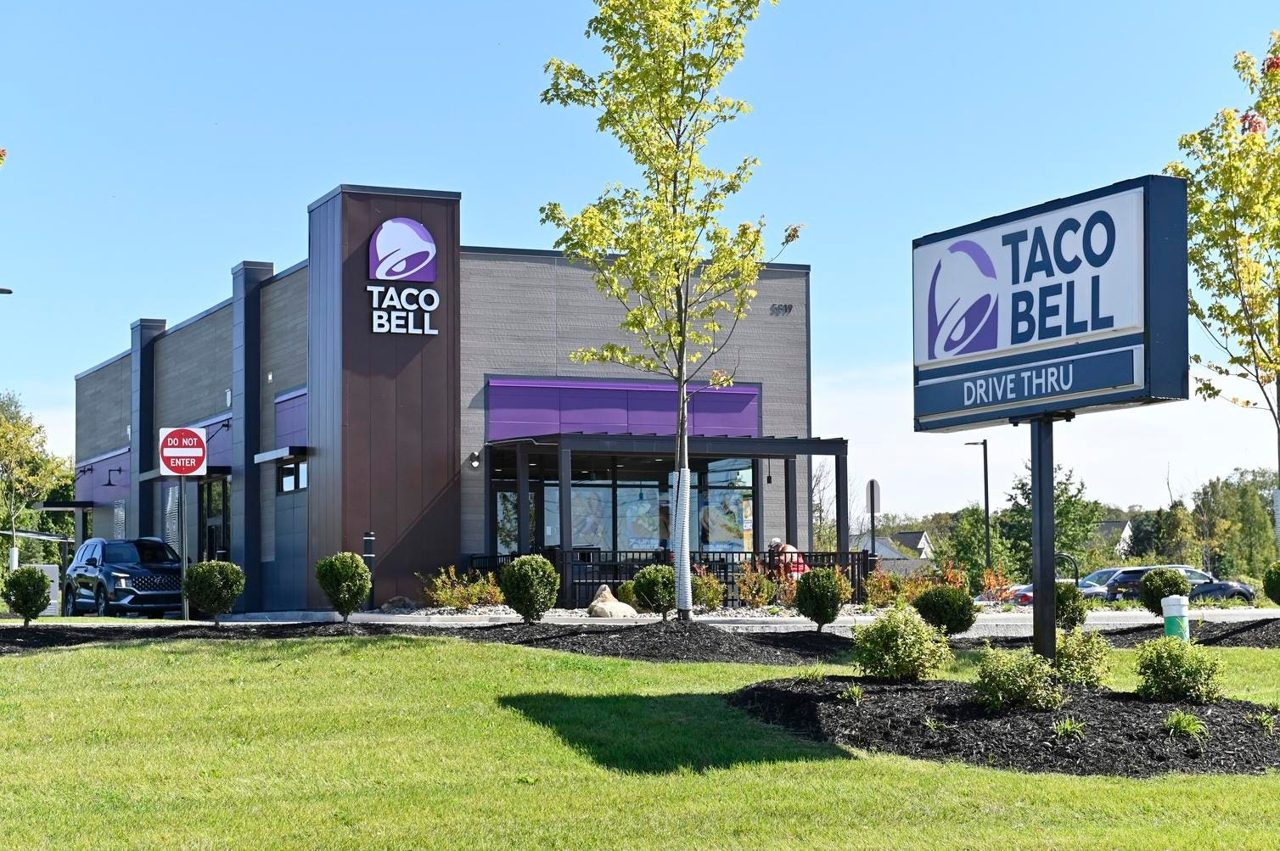
Taco Bell has voluntarily removed a Mexican iceberg lettuce supplier from its distribution network over a 1,600-case Cyclospora outbreak, demonstrating the financial imperative of rapid supply chain intervention before formal regulatory mandates are issued.
Taco Bell has removed a supplier of imported Mexican iceberg lettuce from its nationwide distribution network. Federal investigators have linked the ingredient to a Cyclospora outbreak across five Midwestern states.
The Centers for Disease Control and Prevention has associated more than 1,600 reported illnesses with Taco Bell locations in Kentucky, Michigan, Indiana, Ohio, and West Virginia. This represents a substantial portion of a broader national outbreak that has now exceeded 7,000 reported infections.
For restaurant operators and their investors, the financial risk of a foodborne illness event lies less in the outbreak itself and more in the speed of the corporate response. Taco Bell acted before the U.S. Food and Drug Administration issued a formal advisory. This preemptive maneuver is designed to limit both public health exposure and long-term brand damage.
The company stated that replacement lettuce was expected to reach affected markets within approximately 24 hours. By pulling the ingredient indefinitely rather than waiting for conclusive laboratory results, the chain leveraged its centralized purchasing system to execute a rapid swap across thousands of locations.
Cyclospora is a microscopic parasite that causes prolonged intestinal illness, complicating source identification because symptoms often do not appear for one to two weeks after exposure. This delay forces investigators to conduct extensive reviews of harvesting operations, processing facilities, and distribution routes.
Federal investigators have not yet determined the precise origin of the contamination. The FDA is still evaluating whether the implicated produce was distributed to other customers, meaning the scope of the investigation could expand to include additional restaurants or retailers.
Executives recognize that consumer confidence hinges on transparency and decisive action during a crisis. Proactive product removals signal operational control to the market, even as regulators continue their scientific review.
Modern franchise systems mitigate supply chain risks by investing in traceability technology and centralized crisis protocols. For the sector, Taco Bell's immediate removal of a supplier underscores how distribution visibility has evolved into a critical tool for market reputation management.