Taco Bell hit with federal suits over 1,645-case lettuce outbreak
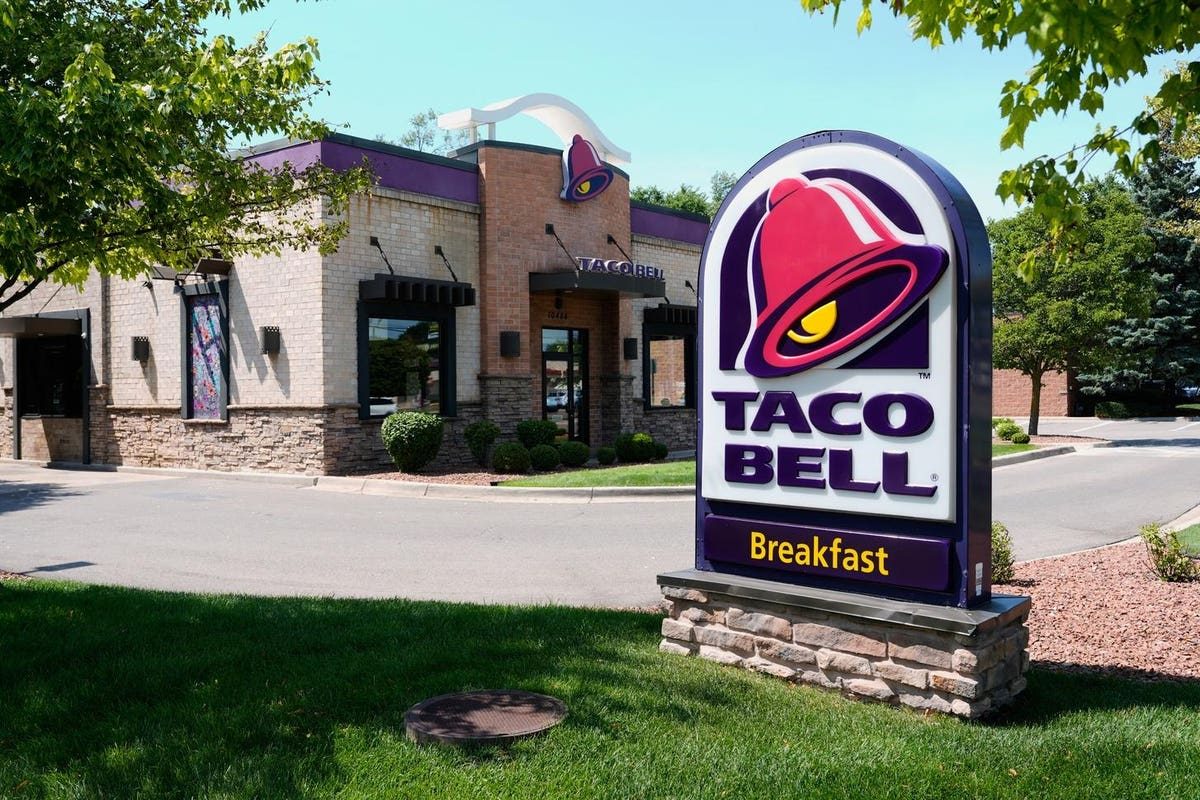
Taco Bell and its franchisees face negligence lawsuits after federal officials linked a cyclosporiasis outbreak spanning 34 states to the chain's lettuce, exposing significant supply chain and litigation risks.
Taco Bell and its franchisees were hit with at least three federal lawsuits this week. The legal actions follow a CDC announcement linking the chain's shredded iceberg lettuce to a multi-state cyclosporiasis outbreak.
The outbreak scale is substantial. The CDC has confirmed 1,645 cases across 34 states and is tracking at least 5,100 additional unconfirmed cases. Michigan is the hardest hit, with 5,002 recorded cases as of Friday, representing a tripling of illnesses in just one week.
More than 1,644 infected individuals reported eating at Taco Bell locations in Indiana, Kentucky, Michigan, Ohio, and West Virginia. This correlation has triggered legal action from consumers in Ohio and Michigan. Plaintiffs are accusing the chain and specific franchisees of negligence, breach of warranty, and deceptive trade practices.
The complaints detail severe gastrointestinal illness, missed work, and lost income. One plaintiff noted she could not take the recommended medication due to an allergy.
For market watchers, the crisis spotlights concentrated supplier risk. The CDC traced the contaminated lettuce to a single supplier in Mexico, which the Washington Post identified as Taylor Farms.
A Michigan lawsuit explicitly targets this supplier, accusing it of having a "documented history of producing and selling fresh produce contaminated with dangerous pathogens." Taylor Farms previously faced CDC scrutiny for a 2013 cyclosporiasis outbreak involving over 600 cases and a 2024 E. coli outbreak linked to onions served at McDonald’s. The lawsuit argues the supplier's claims of food safety leadership "are belied by its record."
Taco Bell has moved to contain the operational fallout. The company said it voluntarily removed the potentially impacted lettuce from select states and is replacing the ingredient within 24 hours. Taco Bell declined to address the specific litigation.
The rapid acceleration of cases presents a material financial risk for the chain. Beyond immediate legal liabilities, the outbreak tests the resilience of centralized produce sourcing that major restaurant networks rely on to maintain margins.