Trump's economic approval hits record low ahead of midterms
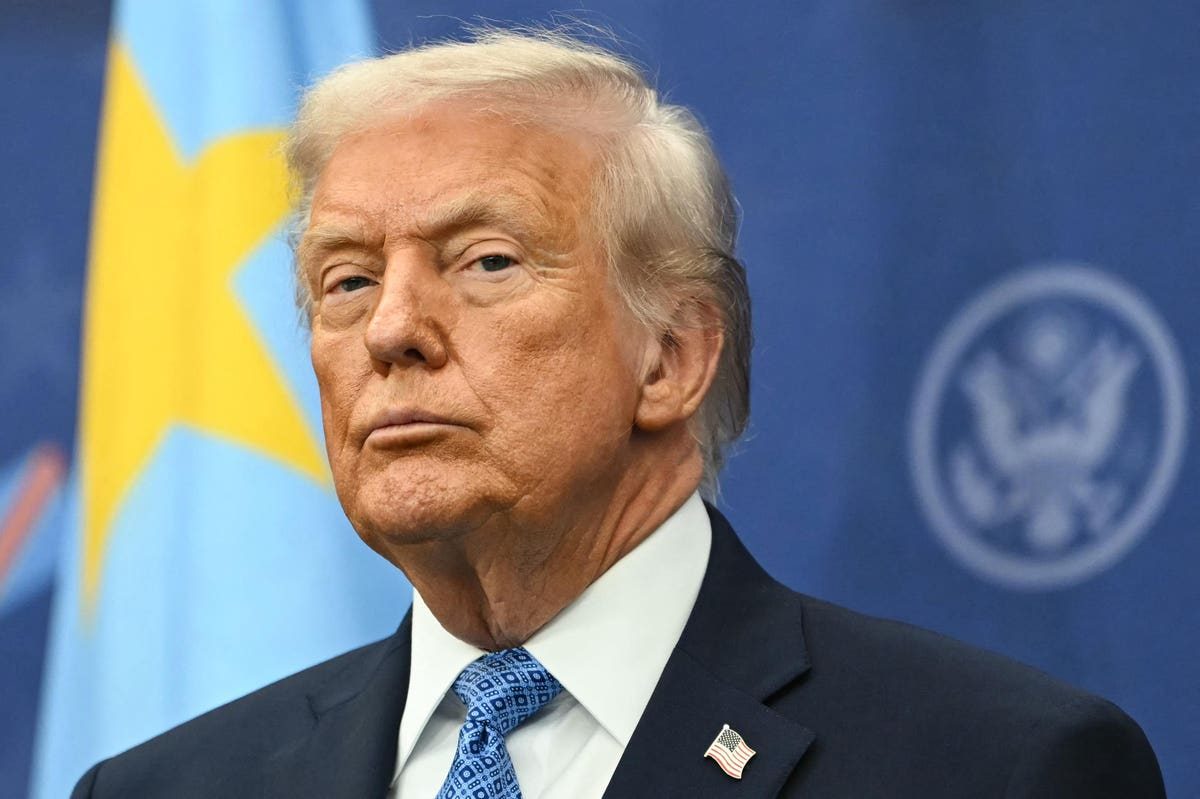
Record-low voter approval for Donald Trump’s handling of the economy, battered by the inflationary fallout of the Iran war and past tariffs, raises the prospect of a Democratic wave in the upcoming midterms that could reshape US fiscal policy.
Donald Trump’s approval rating on the economy has fallen to the lowest point of his political career, with multiple surveys showing deep voter pessimism just four months before the midterm elections. A CNBC poll conducted July 8-12 found just 38% of voters approve of his economic management, yielding a net approval of negative 22 points. This represents a one-point decline in net approval from April and marks his worst economic rating in the poll's history.
The primary driver of this dissatisfaction appears to be the inflationary fallout from the US-Iran conflict, which began with American strikes on February 28. While a tentative agreement to end the war has recently brought a drop in gas prices, 59% of respondents in a separate Reuters/Ipsos poll still expect prices at the pump to rise over the next year because of the conflict. Only 19% of voters approve of Trump’s handling of gas prices, according to a Marquette Law School survey, and 53% of Americans believe US military action against Iran went too far.
The damage to consumer sentiment extends well beyond energy costs. Just 22% of Americans are satisfied with Trump’s handling of the cost of living, a sharp drop from the 29% who approved of Joe Biden’s handling of the issue when he left office. Trump entered his second term with a 52% approval rating, but support cratered following his "Liberation Day" tariffs in April of last year and failed to rebound as the Iran war pushed energy prices higher.
For markets, this polling data signals a shifting political landscape that could alter the trajectory of US fiscal and regulatory policy. With 61% of voters pessimistic about the economic outlook and 43% saying they are worse off financially than under Biden, Democrats currently hold a nine-point advantage on the generic congressional ballot, according to an Emerson poll. Though 9% of voters remain undecided, the trend suggests voters are prepared to cast their ballots based heavily on their financial situations.
A Democratic takeover of Congress would fundamentally alter the balance of power in Washington, severely limiting the administration's ability to pass business-related legislation or advance its trade agenda. Furthermore, less than half of Americans, just 48%, believe the economy will improve in the next year, indicating that even a resolution to the Iran war may not be enough to reset consumer confidence before November.