Nigerian game developers seek capital to tap $200bn market
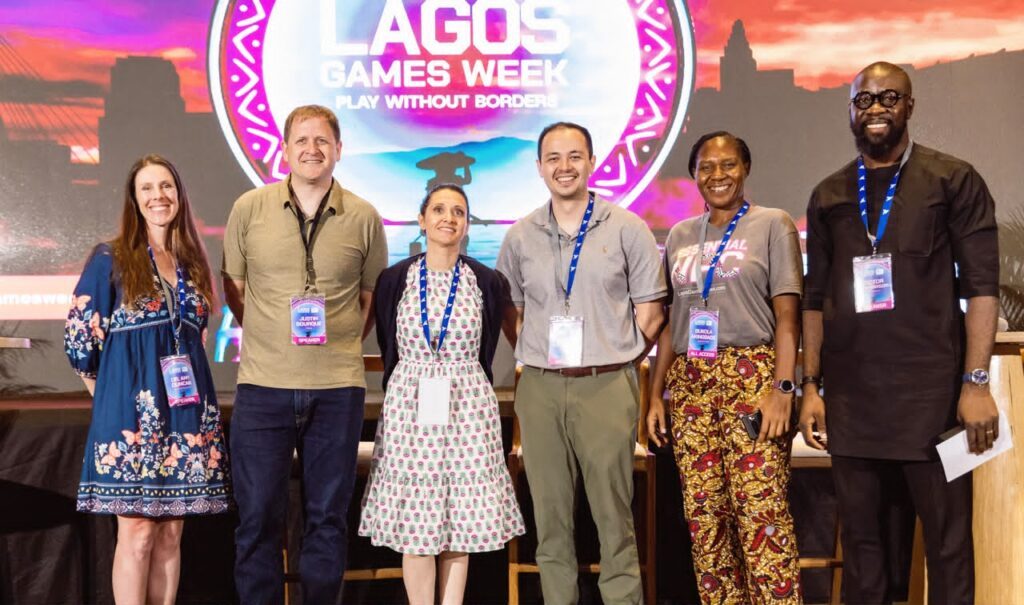
Nigerian game developers and investors gathered at Lagos Games Week 2026 to outline the venture capital and policy frameworks needed to scale local studios into export-ready businesses in the $200 billion global gaming market.
Lagos Games Week 2026 convened creators, investors, and government officials to address the critical bottleneck in Nigeria’s gaming sector: securing the financing and distribution infrastructure required to scale. Supported by the French Embassy in Nigeria, the event marked a shift in industry focus from proving technical capability to establishing commercial viability.
Africa remains largely absent from the global games market. Nigeria possesses the raw demographic advantages, including a young, digital-native population and a growing pool of creative talent, but has struggled to convert these assets into profitable, exportable intellectual property.
“Video games represent one of the largest entertainment industries in the world, yet Africa remains significantly underrepresented,” said Bukola Akingbade, convener of Lagos Games Week. She noted that the immediate priority is finding pathways to “build sustainable businesses that make games, generate intellectual property, create high-value jobs and export African creativity to the world.”
Panelists emphasized that technical skill is no longer the primary constraint. Instead, the ecosystem requires targeted venture capital investment, international distribution agreements, structured training pipelines, and supportive government policies to transition independent developers into scalable enterprises.
International partnerships are being leveraged to bridge this funding and distribution gap. Christophe Pecot, Audiovisual Attaché at the French Embassy in Nigeria, outlined ongoing efforts to facilitate technological and creative collaboration between the two nations. As a practical step toward securing capital, the embassy sponsored the event’s Pitch Stage competition, awarding the winner an all-expenses-paid trip to Gamescom in Germany to meet directly with international publishers and investors.
The consensus among attendees was that isolated talent will not attract institutional capital. Hugo Obi, founder of Maliyo Games, summarized the industry’s commercial imperative: “The future is for collaborators, the future is for teams, the future is for communities.”
Discussions on monetisation, publishing, and esports were led by industry groups including Next Gen Summit, Woof Studios, She Got Game, Game Evo, and Kon10dr. For market participants, the event signaled that Nigeria’s gaming sector is attempting to mature from a fragmented talent pool into a structured, investable industry.