Nikkei enters correction as Japan's AI chip rally unwinds
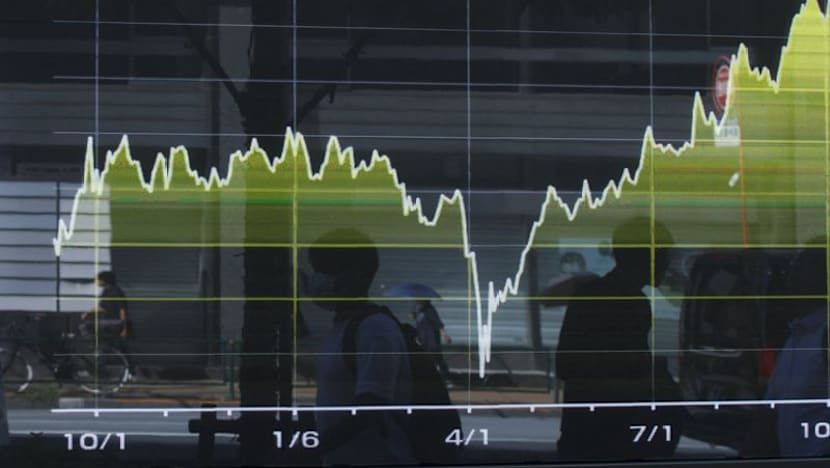
Japan's benchmark index fell into correction territory as a global chip rout and hawkish US rate expectations triggered a sharp unwinding of the country's AI-driven equity rally.
The Nikkei 225 plunged 4.03% to close at 64,141.12 on Friday, marking an 11.3% drop from its record close of 72,366.34 in late June. The decline officially pushes Japan's benchmark into correction territory. The index fell as much as 6.18% during the session before paring some losses, while the broader Topix fell 2.72% to 3,919.21.
The selloff was driven by a convergence of macro and geopolitical pressures. Hawkish commentary from Federal Reserve officials on Thursday, coupled with resilient US economic data, reinforced expectations for further rate hikes. This created a hostile environment for high-growth tech valuations, a dynamic compounded by escalating tensions after US President Donald Trump threatened broader strikes on Iran.
The heaviest damage was concentrated in Japan's technology sector, which bore the brunt of a global semiconductor rout. With South Korean markets closed for a holiday, international selling pressure in memory chips funneled directly into Japanese equities. The Philadelphia SE Semiconductor index dropped 4.3% overnight, while US-listed shares of South Korean chipmaker SK Hynix plunged more than 13%.
Kioxia Holdings suffered the steepest losses, tumbling 16.1% for its worst single-day decline since November 2025. Sumco and Screen Holdings fell 15.17% and 12.04% respectively. Kioxia's collapse is particularly emblematic of the shifting sentiment. The chipmaker's market capitalisation briefly surpassed Toyota last month, but its share price has now fallen more than 50% since that peak.
Strategists broadly framed the decline as a technical reset rather than a fundamental shift in the industry. "I believe the market correction is dragging on as a reaction to the sharp rise that preceded it," said Shoichi Arisawa of Iwai Cosmo Securities. "That said, I don't think the business environment surrounding AI and semiconductor companies, or the current outlook for semiconductor demand, has changed."
However, near-term pricing concerns are weighing on sentiment. "The long-term trend for AI and data centres is unchanged, but right now investors are worried that memory chip prices can rise sustainably," said Daisuke Hashizume, a senior strategist at Daiwa Securities. Broad market breadth reflected the anxiety, with 152 Nikkei components declining against just 71 advancers.
The few notable gainers were defensive or deal-driven. Seven & I Holdings rose 3.64% to lead the index higher after the retailer announced it was in talks to buy a stake in Polish convenience store operator Zabka Group.