Gruma lines up $125m refinancing as US tortilla sales stall
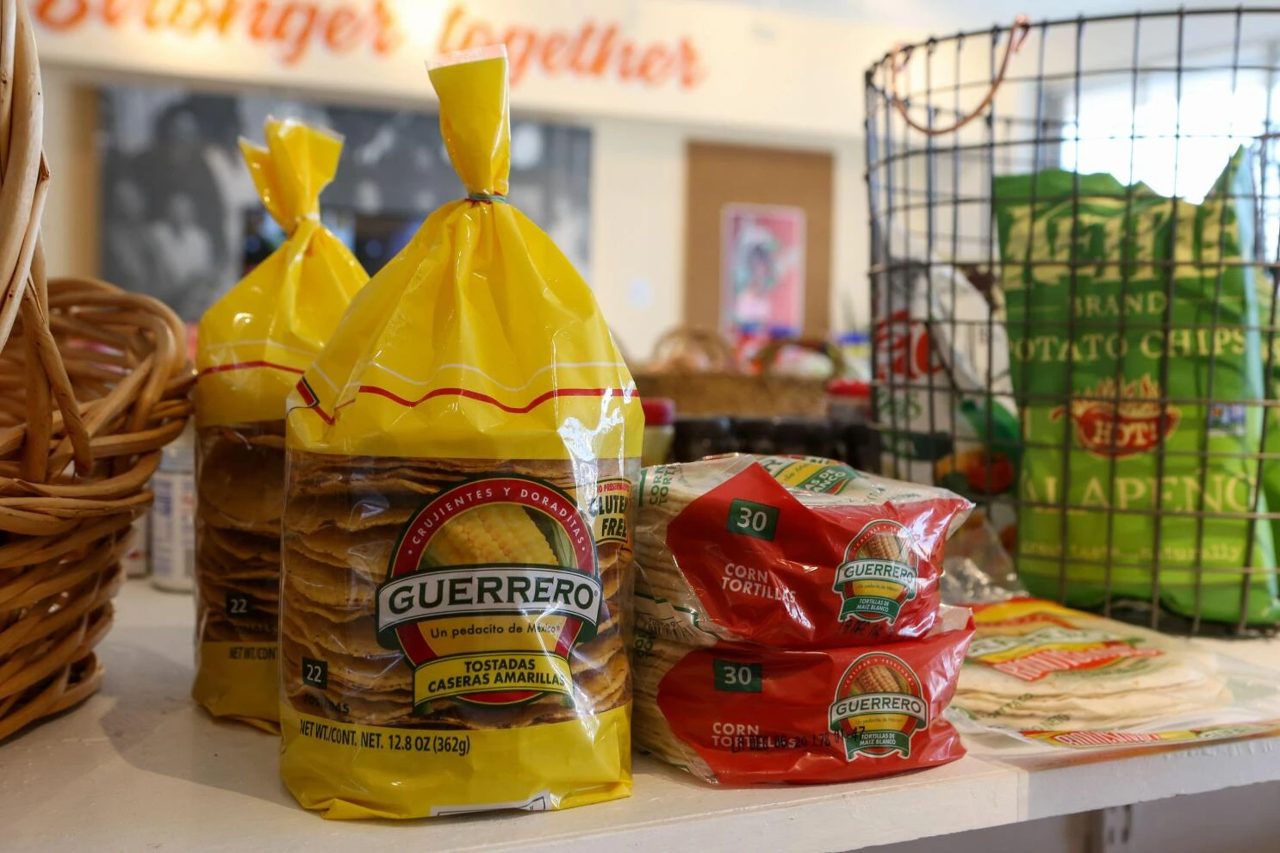
Gruma has secured a $125 million credit facility to improve its debt profile and reduce currency exposure as persistent weakness in its U.S. foodservice channel stalls overall sales growth.
Gruma has arranged a $125 million, five-year term loan with The Bank of Nova Scotia to refinance existing liabilities. The facility carries an interest rate of SOFR plus 100 basis points and is structured as a single bullet payment at maturity. By matching the new credit line to the U.S. dollar, the Mexican corn-flour giant is reducing its exposure to peso exchange-rate fluctuations against a total debt pile of $1.7 billion.
The balance-sheet maneuver comes as Gruma navigates a prolonged period of stagnant sales. In the third quarter of 2025, net sales edged up just 1 percent to $1.6 billion, with volume reaching 1,096 thousand metric tons. This sluggishness follows a broader trend, with consolidated net sales decreasing 4.2 percent to $1.62 billion in the third quarter of 2024. Earlier in 2025, first-quarter sales fell 6 percent to $1.5 billion.
The primary drag on performance is the company's U.S. foodservice division, which has failed to recover from a broader demand normalization. In the second quarter of 2025, the company stated that “the food service channel drove the decline in volumes sold,” pointing to price sensitivity and weaker consumer confidence. By the third quarter, U.S. division net sales dropped 5 percent to approximately $874 million, pressured by ongoing volume losses and the need for promotional discounts.
Modest gains in the U.S. retail segment—where tortilla volumes grew 2 percent in some recent quarters—have been entirely offset by the foodservice contraction. Analysts note that a shift toward lower-priced private label products has further degraded the company's sales mix. Management's full-year guidance reflects this reality, anticipating flat to fractional volume growth, low single-digit sales growth, and a 40-to-60-basis-point contraction in EBITDA margins.
For investors, the refinancing signals a definitive pivot from the pandemic-era boom toward balance-sheet defense and risk management. In 2020, at-home cooking drove an 18 percent surge in net sales to Ps.91,103 million, roughly $4.6 billion at period exchange rates. The following year, volume declined 3 percent as demand normalized and high corn costs compressed margins.
Management is now betting on higher-margin "Better-For-You" tortillas and geographic expansion in Asia, Europe, and Central America to outgrow private-label competition. Until the U.S. macro environment improves, however, the company's strategic priority remains cost control and debt management rather than revenue acceleration. The new Scotiabank facility ensures that leverage remains flat while buying time for a potential commercial turnaround.