Burnham set to reshape UK infrastructure spending if he takes No 10
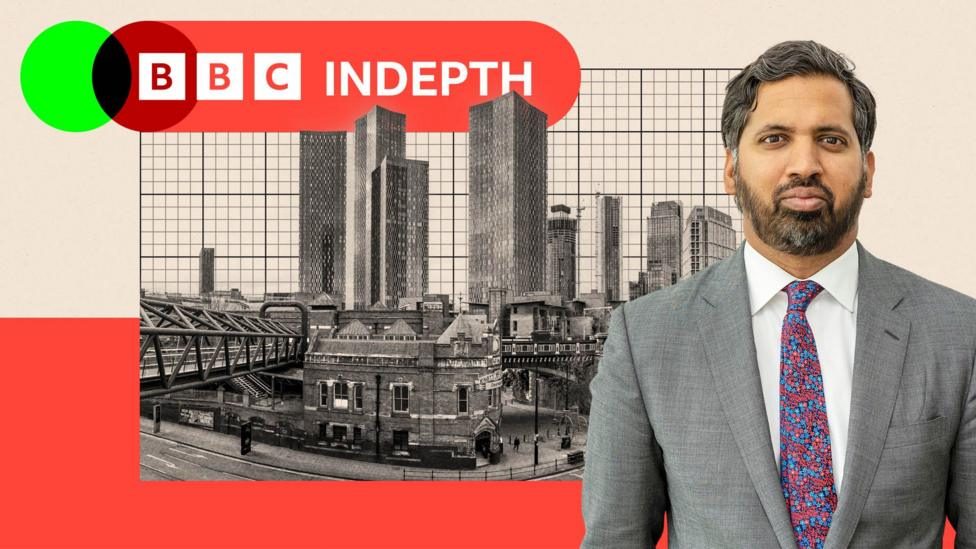
Andy Burnham's expected ascent to prime minister signals a potential overhaul of the UK's core infrastructure and public spending formulas, threatening to redirect capital allocation away from the south-east.
Andy Burnham is preparing to become prime minister with a radical economic prospectus that threatens to upend how the UK allocates capital. Known as "Manchesterism", the model draws on his decade as the city's mayor to argue for a structural rewiring of the British state away from its traditional centralisation.
At the centre of this programme is a targeted assault on two Treasury formulas that dictate public investment. Burnham wants to tear up the Green Book, the framework that decides infrastructure spending by heavily weighting existing areas of high growth and land value. He argues this systematically drags transport investment to the south of England.
He also aims to scrap the Barnett formula, which tops up public spending for Scotland, Wales and Northern Ireland. Burnham claims this leaves the north of England financially squeezed in a "pincer". To institutionalise a shift, he has pointed to Germany's "Basic Law", which mandates "equivalent living standards" across regions.
The intellectual backing for these reforms comes from Manchester’s transformation into the fastest-growing city economy in the country. Following the 1996 IRA bombing, local leaders used public money to de-risk brownfield industrial sites that private capital initially avoided. The council also provided crisis financing and applied flexible interpretations to affordable housing requirements to keep projects viable.
This public-sector intervention successfully unlocked subsequent waves of private and international investment. Paul Thwaite, chief executive of NatWest, which has funded local projects, said the city's success was "built on there being a clear plan the private sector can get behind".
The economic returns are measurable in human capital. Manchester now retains over half its graduates, the highest rate outside London according to the Centre for Cities. Internal migration figures show 13,000 people moved from London to Manchester, compared to 11,800 making the reverse journey.
Tom Beahon, CEO of Manchester-based sports brand Castore, said the mayor helped "attract inbound investment, making it a place that students want to stay after they graduate from the fantastic universities". He added that this means more businesses want to launch in the city, creating a case study in agglomeration effects.
Translating this model nationally would require massive infrastructure spending outside the south-east. Burnham has long advocated for a major underground expansion of Manchester's Piccadilly station to relieve a bottleneck handling 40,000 daily commuters. He relays being told in 2007: "No project in the north passed the Green Book, Minister."
For investors, a Burnham premiership would mean a fundamental pivot in UK infrastructure strategy. His Net Zero proposal for a subsidised "Northern Way" contrasts with a "Whitehall way" of taxes and bans. Ultimately, it would use public de-risking to channel private capital into regional assets previously deemed unviable.