O'Leary lawsuit spotlights political risks of AI data center buildout
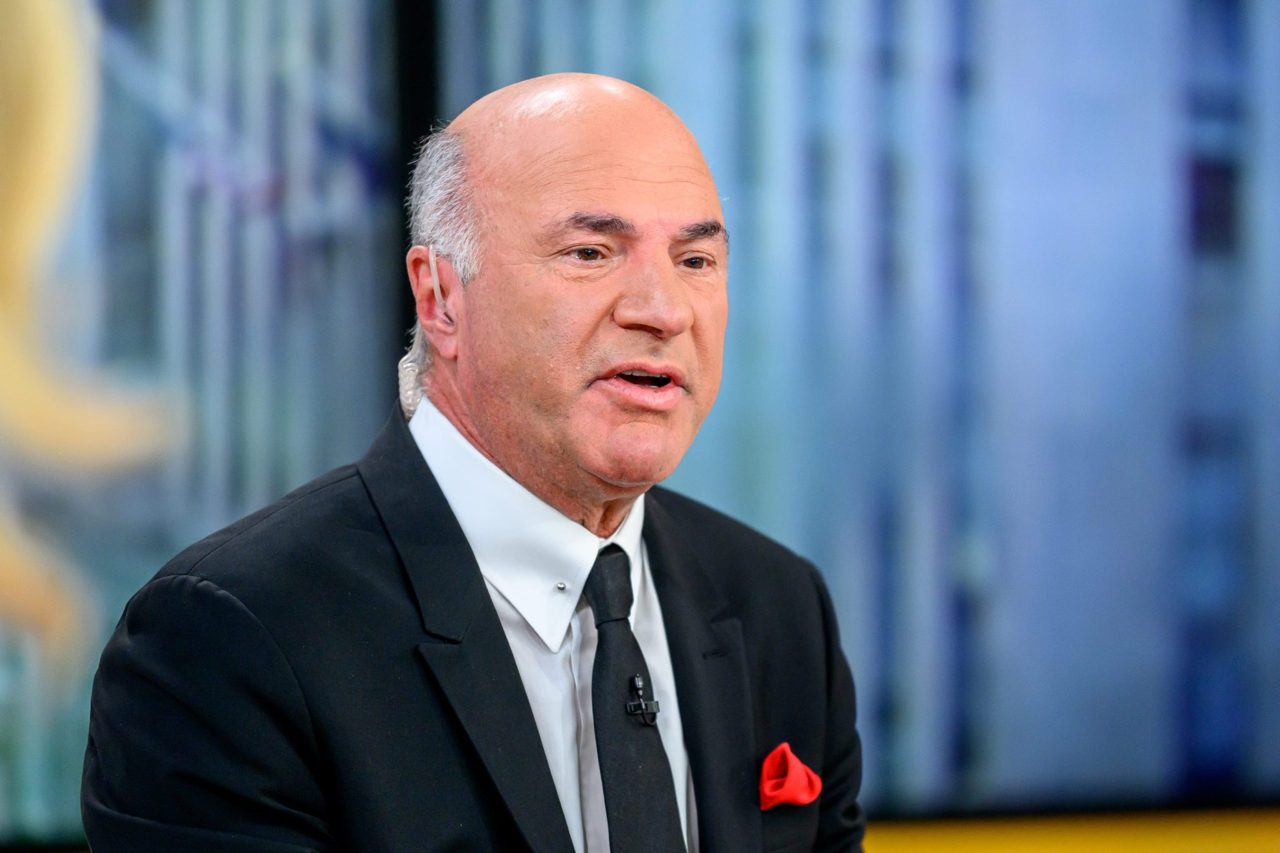
A defamation lawsuit over Kevin O'Leary's claims of Chinese interference in his Utah data center project highlights the mounting political and social obstacles facing AI infrastructure investment.
Two Utah political organizations and their founders have filed a defamation lawsuit against investor Kevin O'Leary and Fox News in Utah Federal District Court. The plaintiffs allege O'Leary falsely branded them as operatives of the Chinese Communist Party during a media tour earlier this year. They are seeking compensatory and punitive damages, claiming the accusations caused severe economic losses and physical safety threats.
The dispute centers on O'Leary's promotion of the Stratos Project, a massive AI computing campus. During at least 10 broadcast appearances between May 11 and June 3, O'Leary labeled the groups as "cells" doing the work of the CCP. O'Leary’s attorney, Jeff Neiman, dismissed the lawsuit as a “cash grab” and said the plaintiffs used the controversy to raise funds. “The plaintiffs have put their operations, funding, and coordination squarely at issue. We welcome that, and we look forward to discovery and uncovering the facts related to the misinformation campaign against the data center in Utah,” Neiman said.
O'Leary eventually walked back the claims in a June 25 Instagram post, stating he had "no evidence" the plaintiffs were funded by China. Fox News stated it "publicly corrected the record on every program where on-air guest Kevin O’Leary’s comments were made, all of which was extensively publicized." The plaintiffs' attorneys at Platkin LLP countered that the retractions only came after a legal demand and failed to undo the damage of a "weeks-long smear campaign."
AI expansion meets local resistance
The legal battle distracts from the fundamental challenge facing O'Leary's venture: intense local opposition. The Stratos Project initially proposed a 40,000-acre footprint capable of supporting up to nine gigawatts of AI computing capacity near the Great Salt Lake. Faced with protests over water and energy consumption, O'Leary last month reduced the development footprint by half to 20,000 acres, with only 10,000 acres earmarked for data centers.
The political cost of backing the project has already proven severe. Utah state senate president Stuart Adams lost a reelection bid after two decades in office, while two Box Elder County commissioners who approved the project also lost their primaries. This local backlash reflects a broader national trend complicating the AI boom. A May Gallup survey found seven in ten Americans oppose having an AI data center built in their community.
While data center clusters like those in Northern Virginia's Loudoun County have successfully lowered local tax rates, the Utah saga illustrates the risks for developers. Securing power and land is no longer the only hurdle for AI infrastructure capital; navigating community resistance has become a critical variable in project viability.