British Steel nationalised as Beijing warns investment confidence hit
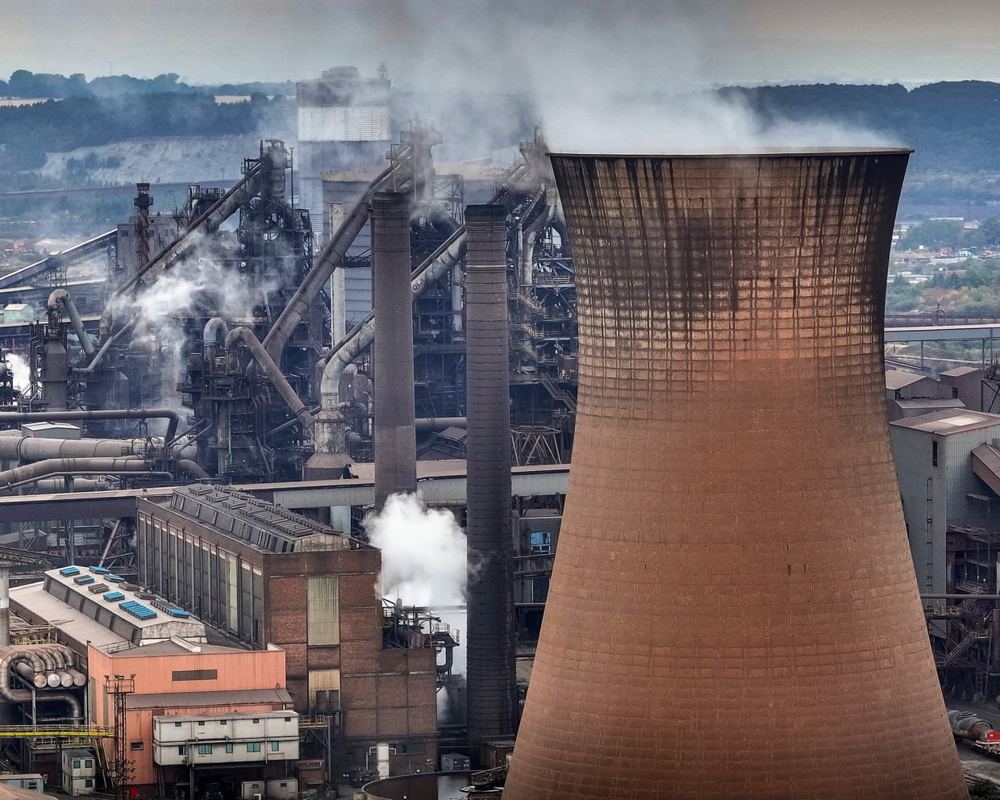
The UK government has taken British Steel into public ownership to secure domestic supply chains, prompting China to warn that the move severely damages foreign investor confidence.
British Steel was brought under state control on Thursday to protect domestic supply chains. The transfer of ownership followed the Steel Industry (Nationalisation) Act 2026 receiving royal assent, a new law that allows ministers to transfer steel businesses’ shares or property into public ownership. The Department for Business and Trade stated the intervention was essential to maintain production at the company’s Scunthorpe site in Lincolnshire and secure roughly 4,000 skilled jobs.
The business was previously owned by the Chinese industrial group Jingye. In April last year, the Labour government was forced to stage an emergency recall of parliament to prevent the company's collapse after Jingye threatened to walk away without taking steps to preserve the site's blast furnaces.
While the UK frames the takeover as a rescue of critical industrial capacity, the nationalisation has triggered an immediate diplomatic backlash. China’s Ministry of Commerce (Mofcom) warned the seizure dealt “a severe blow to Chinese companies’ confidence in investing in the UK.” For market participants, this sharply raises the risk profile for Chinese capital deployed in British industrial assets.
A Mofcom spokesperson told the Global Times that the UK had disregarded Jingye’s economic contributions and used national security as a pretext to forcibly seize control, “seriously undermining Jingye’s legitimate rights and interests.” Beijing has demanded the UK abide by international rules and fulfil its obligations under the China-UK bilateral investment treaty to treat Chinese enterprises fairly.
The Chinese government has pledged to “closely follow developments, support Chinese companies in safeguarding their rights through legal means, and take strong measures to firmly protect the interests of Chinese companies.” This language sets the stage for a potentially protracted legal battle over the seizure.
Despite its previous threat to let the steelmaker fail, Jingye has argued through its UK accounts and social media channels that British Steel remains a highly valuable asset. The Chinese firm is positioning itself for large compensation, a demand the UK government will likely contest given the company's prior intent to abandon the operations.
For the UK, the intervention represents a decisive pivot toward state-backed industrial policy. Prime Minister Keir Starmer said: “British Steel is part of the fabric of our nation and a cornerstone of Britain’s industrial strength.” He added that his government will “always act in the national interest to support British industry, strengthen our economy and ensure the industries we rely on can thrive long into the future.”
A new leadership team has been appointed to stabilise the business. The government’s stated objective is to transition the Scunthorpe operations into a “commercially sustainable, low-carbon enterprise.” Investors will now closely monitor how much public capital is required to fund this transition and how the looming compensation dispute with Beijing impacts the broader UK-China investment climate.