US Access to Venezuelan Crude Faces Severe Refining Constraints
Washington’s new access to Venezuelan oil reserves offers a long-term supply boost, but acute global refining bottlenecks will prevent any near-term relief for American gasoline prices.
The United States has secured majority control over Venezuelan oil fields containing more than 65 billion barrels of crude. The administration announced the agreement will eventually increase domestic supply and allow Washington to refill the Strategic Petroleum Reserve.
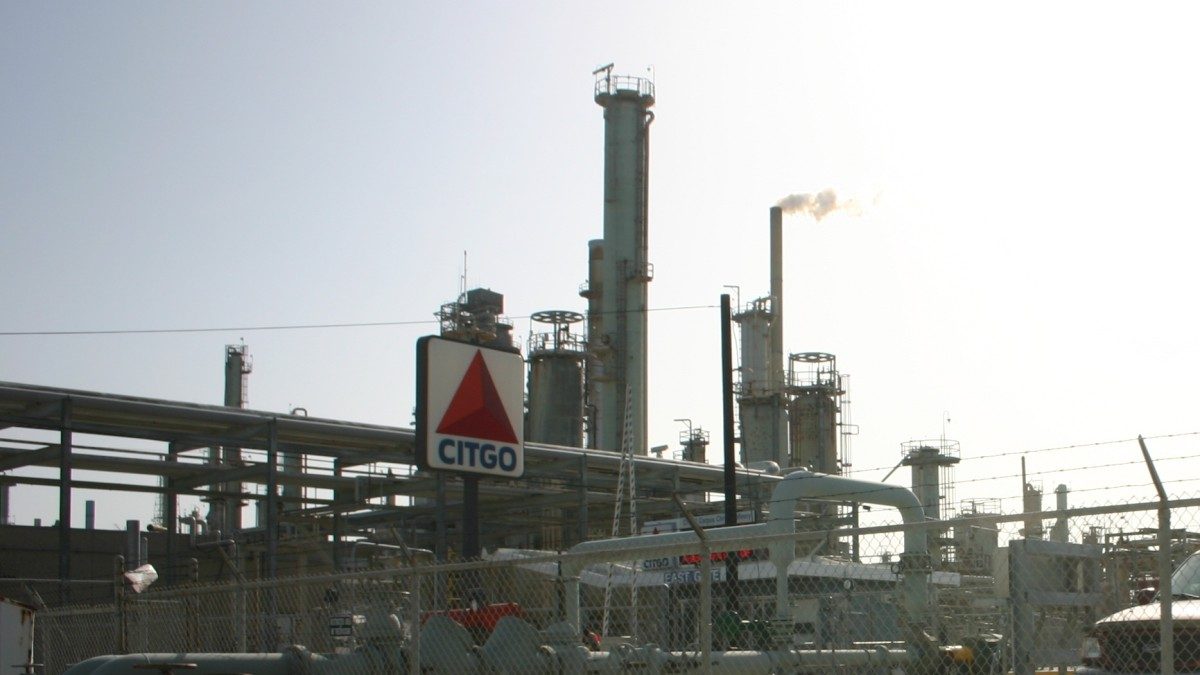
However, this expanded access is unlikely to lower gasoline prices before November. The immediate constraint on fuel costs is not crude availability, but a severe global shortage of refining capacity.
U.S. refinery utilization reached 97.4 percent in the week ending August 21, the highest level in nearly eight years. Crude inputs are already running at approximately 17.4 million barrels per day, leaving little room to process additional heavy feedstock into usable fuel.
The bottleneck extends far beyond American borders. Middle Eastern refinery runs have fallen to 7.3 million barrels per day, down from 9.9 million before the war in February. Kpler estimates the region lost roughly 4 million barrels per day of refined-product supply between March and August.
Fuel markets are pricing in this structural deficit. The Gulf Coast diesel crack against West Texas Intermediate reached $91.06 per barrel on August 25, up sharply from $30 a year earlier. Gasoline cracks similarly surged to $40.43 per barrel, compared with $16.40 last year.
Industry analysts project this tightness will persist for the foreseeable future. ClearView Energy Partners estimates a current refined-product shortfall of 2 million to 3 million barrels per day. Meanwhile, the International Energy Agency calculates 4.7 million barrels per day in lost global refinery throughput compared to 2025.
Heavy Crude Dynamics
Venezuelan production currently sits at roughly 1.25 million barrels per day, with new projects targeting output above 1.5 million barrels per day. Rystad Energy notes that surpassing this threshold will require extensive infrastructure work, reliable access to diluents, and significantly more drilling rigs.
Gulf Coast refineries are uniquely positioned to benefit from this heavy crude over the long term. Their delayed cokers are specifically designed to process high-sulfur barrels from Venezuela, Mexico, and Canada into higher-value products like diesel and gasoline.
In the near term, the White House is seeking alternative solutions to address motorist frustration. Regular gasoline now exceeds $4 per gallon, roughly $1 higher than a year ago, prompting the administration to schedule meetings with executives from Valero, Marathon Petroleum, and PBF Energy.
These refiners are currently reporting strong earnings driven by the very market tightness pushing up consumer prices. While Venezuelan crude may eventually ease feedstock costs, it cannot instantly resolve the refining bottleneck dictating today’s pump prices.