Global copper surplus to more than triple by 2027: ICSG
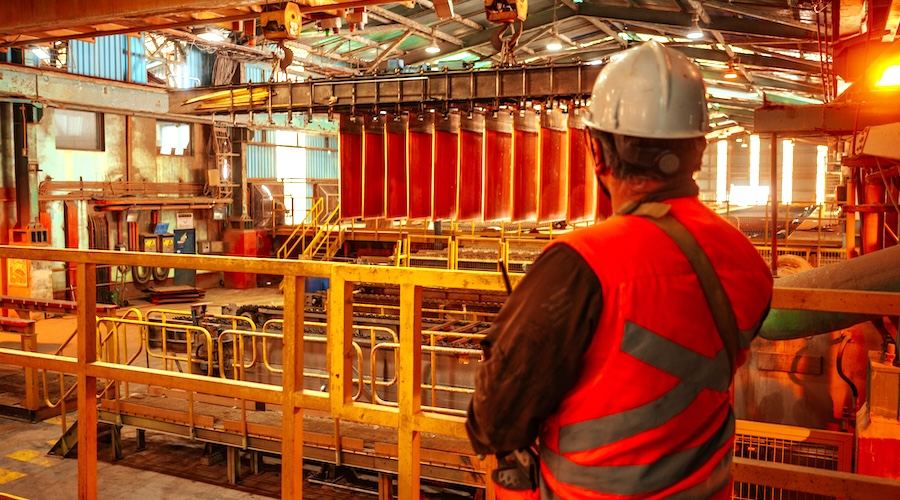
Refined metal output is set to rebound next year as new smelting capacity comes online, outpacing consumption growth.
Global refined copper surplus is expected to more than triple by 2027 as smelter production rebounds faster than demand, according to the International Copper Study Group (ICSG).
The market is forecast to record a surplus of 368,000 tonnes in 2027, up from 104,000 tonnes this year, the ICSG said Wednesday following meetings in Lisbon, Portugal. The 2026 estimate is slightly higher than the 96,000 tonnes projected in April, while the outlook for next year remains unchanged.
The widening surplus reflects a recovery in refined copper production after concentrate shortages constrain smelter output this year. The forecast also highlights a divergence between expanding processing capacity and more modest consumption growth, despite demand from electrification, artificial intelligence and data centres.
Global refined copper production is expected to increase by just 0.4% in 2026 before accelerating by 3.4% in 2027. The rebound will be driven by smelter and refinery ramp-ups in Indonesia, India and the European Union, alongside improved operating rates in Chile and increased production from scrap.
World copper mine production is expected to grow by 1.3% this year, down from the 1.6% projected in April, following downward revisions to output in Chile, China and Indonesia.
Growth is being supported by ramp-ups at Mongolia’s Oyu Tolgoi , Indonesia’s Batu Hijau and Russia’s Malmyz mines, as well as expansions at China’s Julong and Russia’s Svyatogor operations. Higher output at Peru’s Antamina and the processing of stockpiled ore at Cobre Panama are also contributing.
Current production remains constrained at Indonesia’s Grasberg and the Democratic Republic of Congo’s Kamoa-Kakula mines following incidents in 2025. Declining Chilean output is adding to supply pressures .
The ICSG expects mine production growth to accelerate to 3.1% in 2027 as operations recover in Indonesia and the DRC, output improves in Chile and Zambia, and newly developed capacity continues to ramp up.
The recovery should ease concentrate availability constraints that have weighed on primary electrolytic copper production. Secondary refined output from scrap is forecast to increase by about 4.7% next year, while primary refined production, including solvent extraction-electrowinning, is expected to rise by around 3%.
Global refined copper usage is projected to increase by 1.5% in 2026 and 2.5% in 2027, with Asia remaining the main source of growth.
China, which accounts for 59% of global refined copper consumption, is expected to increase apparent usage by 2.5% this year, while demand across the rest of the world remains largely unchanged.
The ICSG lowered its 2026 consumption outlook slightly from April, citing weaker expectations for the Middle East, North America and the European Union. Demand in Japan is also expected to remain subdued.
Consumption growth next year should benefit from an anticipated improvement in global economic activity, new and expanded semi-fabricated copper manufacturing plants and stronger operating rates in the Middle East.
Longer-term demand drivers include the energy transition, urbanization, digitalization and investment in AI infrastructure, although the pace of industrial recovery remains uneven across major consuming regions.
The ICSG cautioned that its forecasts remain vulnerable to supply disruptions and geopolitical developments, particularly the conflict in the Middle East, which could affect both production and consumption.
The group also noted that its calculation of Chinese apparent demand excludes changes in unreported inventories held by state agencies, producers, consumers and traders. Such stock movements can materially alter the global supply-demand balance.
Refined metal output is set to rebound next year as new smelting capacity comes online, outpacing consumption growth.