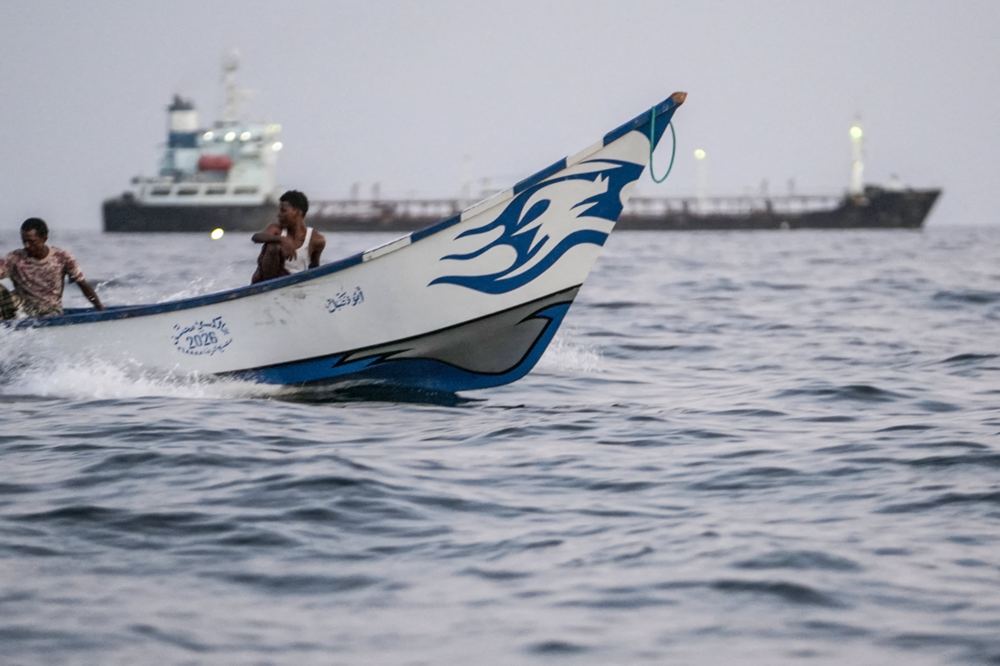
Tanker attacks in Strait of Hormuz surge to wartime high as Iran tries to choke off oil exports
The escalating attacks are testing whether a rebound in crude oil exports from the Middle East can be sustained under high risk conditions.
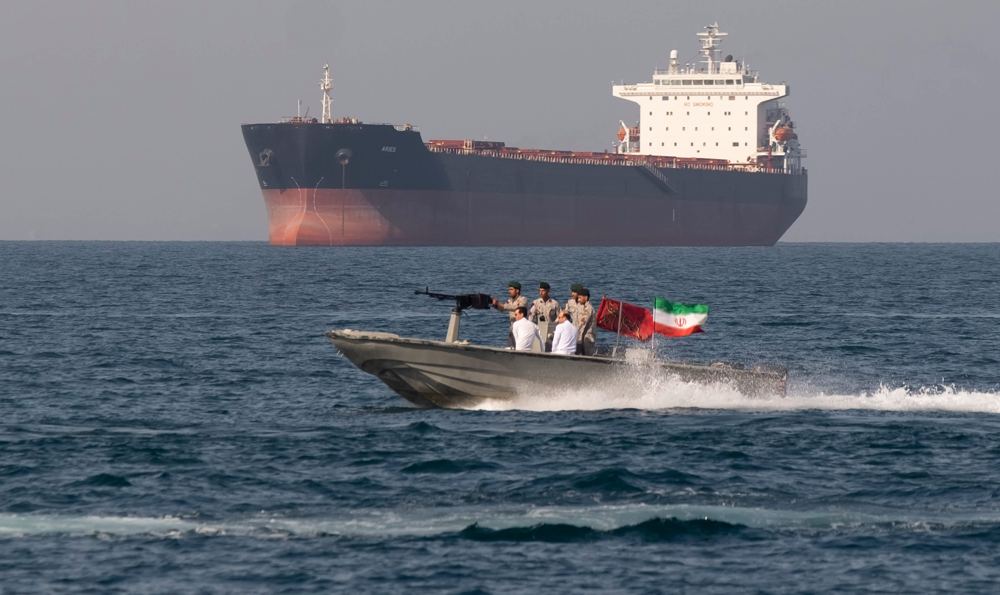
Oil tankers transiting the Strait of Hormuz are coming under fire almost daily, as Iran escalates its attacks in an effort to choke off a rebound in crude exports.
Eleven tankers came under attack while transiting Hormuz during the week that ended Oct. 4, the most strikes on commercial ships since the war began in late February, according to data from the International Maritime Organization (IMO), a United Nations' agency.
Another five tankers have come under attack this week. Twelve sailors were injured Monday when a projectile struck their tanker as it transited Hormuz. The sailors were Indian nationals and the ship, On Peace, is owned by the United Arab Emirates, according to the maritime security firm Marisks.
"These actions continue to demonstrate Iran's intent to assert [its] presence along key transit lanes and maintain pressure on transiting vessels," the Joint Maritime Information Center warned commercial ships in a Thursday notice. The center is a coalition of U.S. allied militaries headquartered in Bahrain that monitors maritime security in the region.
A senior Iranian Revolutionary Guard official said Wednesday that Iran will block all "illicit routes" through Hormuz, according to Fars News Agency , an outlet considered close to the Guard.
The surge of attacks on tankers comes as crude oil exports from the Middle East rebounded in September to prewar levels, due in large part to the U.S. military escorting ships through Hormuz using a route along Oman's coast.
"Volumes are getting through but they're getting through at a time of extremely high maritime risk," said Michelle Wiese Bockmann, a senior maritime intelligence analyst at Windward, a provider of risk management and and surveillance.
At least nine sailors have died in ship attacks since July, according to the IMO.
"This is not a sustainable new normal," said Richard Meade, editor in chief of the shipping industry trade journal Lloyd's List, in a Thursday briefing.
U.S. Central Command briefed shippers Thursday on conditions in Hormuz. On Wednesday, Centcom said that 20 million barrels of crude had transited the strait, rejecting Iranian claims that the waterway was closed.
Crude flows have recently pulled back as the attacks have increased. Exports through Hormuz stood at 8.5 million barrels a day (bpd) for the week ended Wednesday, about 40% below normal before the war, according to Kpler data published Friday. Shipments from the Middle East as a whole stood at 15.3 million bpd, 10% below prewar levels, the data showed.
Iran, meanwhile, has not loaded any crude oil for export since late August due to the U.S. naval blockade of the Islamic Republic, according to Kpler.
Tehran has struck deeper into the Persian Gulf as the Revolutionary Guard warned it will not confine its attacks to Hormuz. The Guard said it will pursue ships throughout the region that violate Iran's transit rules, according to the state media outlet Tasnim.
A tanker was hit by multiple projectiles off the coast of Qatar on Wednesday resulting in casualties, according to a British maritime security agency that monitors conditions in the Gulf.
Another tanker, Gem No. 2, was hit by a projectile Friday off the coast of the United Arab Emirates resulting in a fire onboard. The ship departed Ras Tanura, Saudi Arabia in March and has remained in the Persian Gulf since the war began, according to Marisks.
Since the Iran war began in late February, at least 24 sailors have died in attacks on 100 commercial ships in Hormuz, the Persian Gulf and Gulf of Oman, according to the IMO.