Gulf States Accelerate Alternative Oil Routes as Hormuz Crisis Deepens
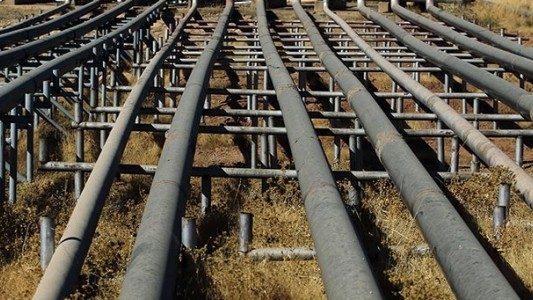
Energy exporters are committing billions to new pipelines and port infrastructure to bypass the blocked Strait of Hormuz, a strategic shift that will reshape regional supply chains and mitigate severe economic contractions.
Gulf energy producers are accelerating multibillion-dollar investments in alternative oil and gas infrastructure to bypass the blocked Strait of Hormuz. This strategic pivot follows fresh military escalation, with the United States striking Iranian rocket launchers inside the strait on Sunday and Iran retaliating against U.S. bases in Jordan.
The disruption has exacted a heavy toll on the global economy. The global energy import bill increased by $330 billion between March and August, underscoring the severe financial vulnerability of import-dependent nations.
Saudi Arabia initially rerouted up to 7 million barrels of crude daily through its East-West pipeline to Red Sea ports. However, security threats from Houthi forces in the Bab el-Mandeb strait have subsequently forced Riyadh to shift exports toward the more constrained Suez Canal.
The United Arab Emirates is moving to permanently reduce its reliance on the strait. State oil major ADNOC plans to launch the West-East 1 Pipeline next year, doubling its export capacity through the port of Fujairah from 1.8 million to 3.6 million barrels daily.
Major international energy firms are already backing these regional infrastructure shifts. TotalEnergies has committed to participating in the ADNOC expansion, signaling strong commercial confidence in overland alternatives to Persian Gulf shipping lanes.
Iraq is also pursuing alternative export corridors with backing from the United States. While a new $15 billion pipeline through Syria to the Mediterranean would take at least four years, Baghdad is negotiating with Damascus to repair a dormant pipeline within three years.
Baghdad is simultaneously discussing expanded oil flows through Turkey’s Kirkuk-Ceyhan route. The economic imperative for these projects is stark, as Kuwait faces an 8 percent GDP contraction this year due to the conflict.
Qatar’s economy is also shrinking, as its liquefied natural gas exports remain entirely dependent on the closed strait. To fund the broader network expansion, Saudi Arabia and the UAE have secured financial backing from Japan.
This agreement aligns with Tokyo’s urgent need to secure stable energy supplies after the shutdown severely disrupted its Middle East import reliance. Beyond pipelines, Gulf governments are treating port infrastructure as a mission-critical priority to handle redirected cargo.
Industry observers note that this infrastructure push is fundamentally reshaping regional spending. As one source stated, "If two years ago sports was the big buzz thing, I think for the time being, next year or two, they're going to say ports, ports, ports."